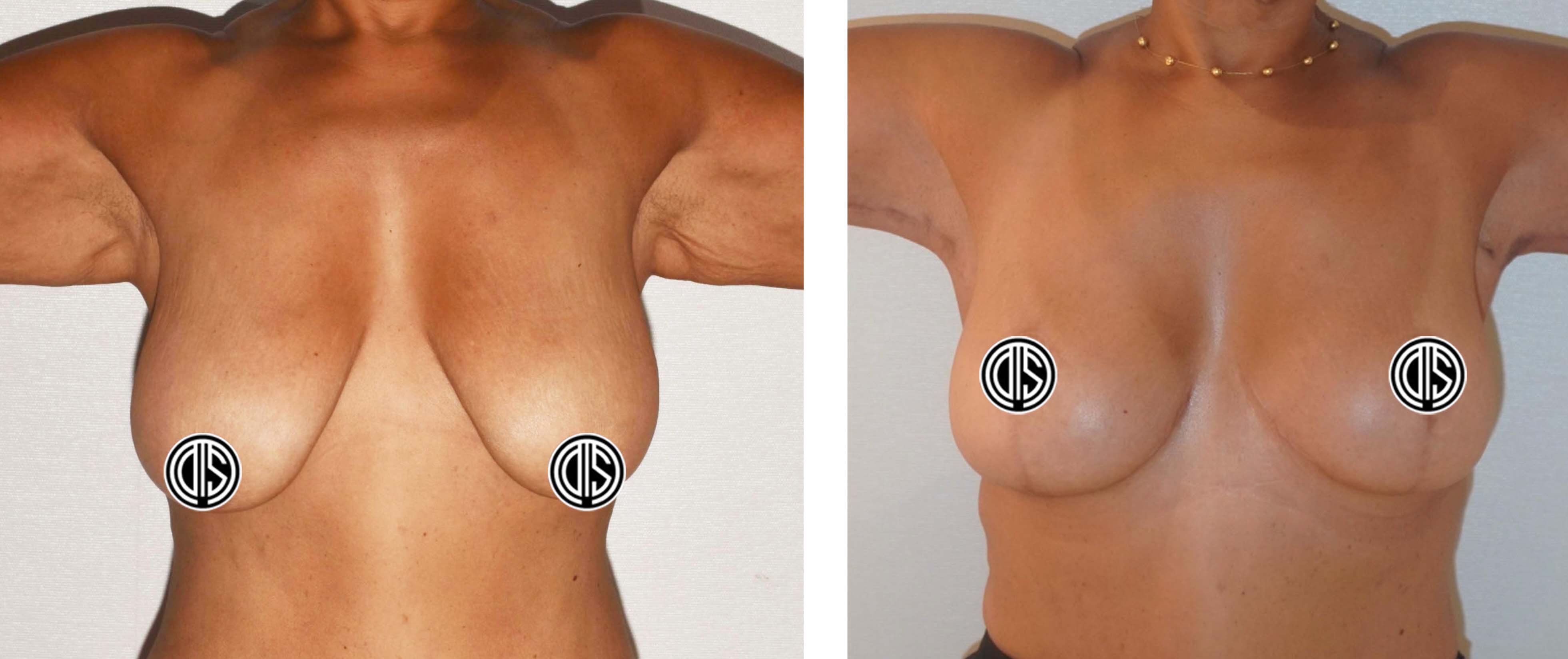
Breast Reduction
Case 1
Individual results may vary.


Breast reduction surgery (reduction mammoplasty) removes excess breast tissue, fat and skin to reduce volume and reshape the breasts. Planning considers your proportions, comfort and goals.
Darren M. Smith, MD, FACS is certified by the American Board of Plastic Surgery. Explore his approach, patient cases and recovery guidance, then plan a consultation around your goals.
Breast Reduction
Case 1
Individual results may vary.
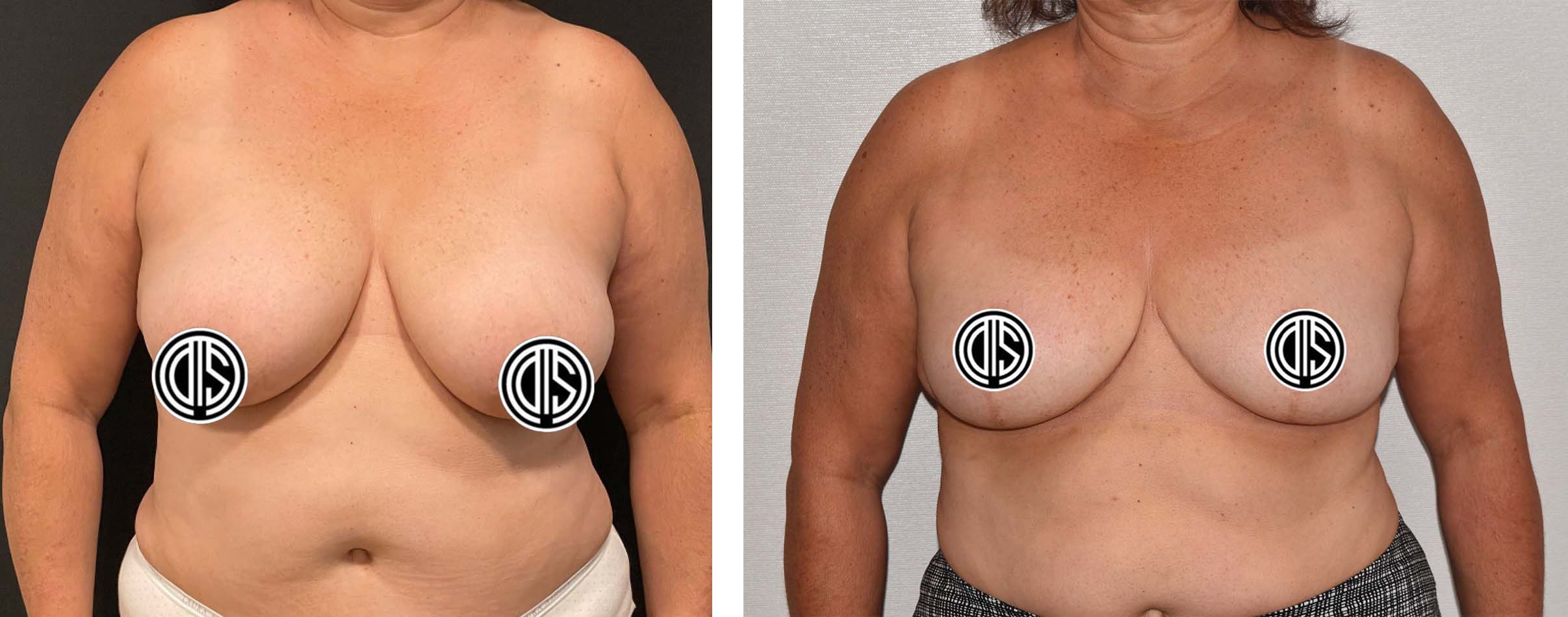
Breast Reduction
Case 2
Individual results may vary.
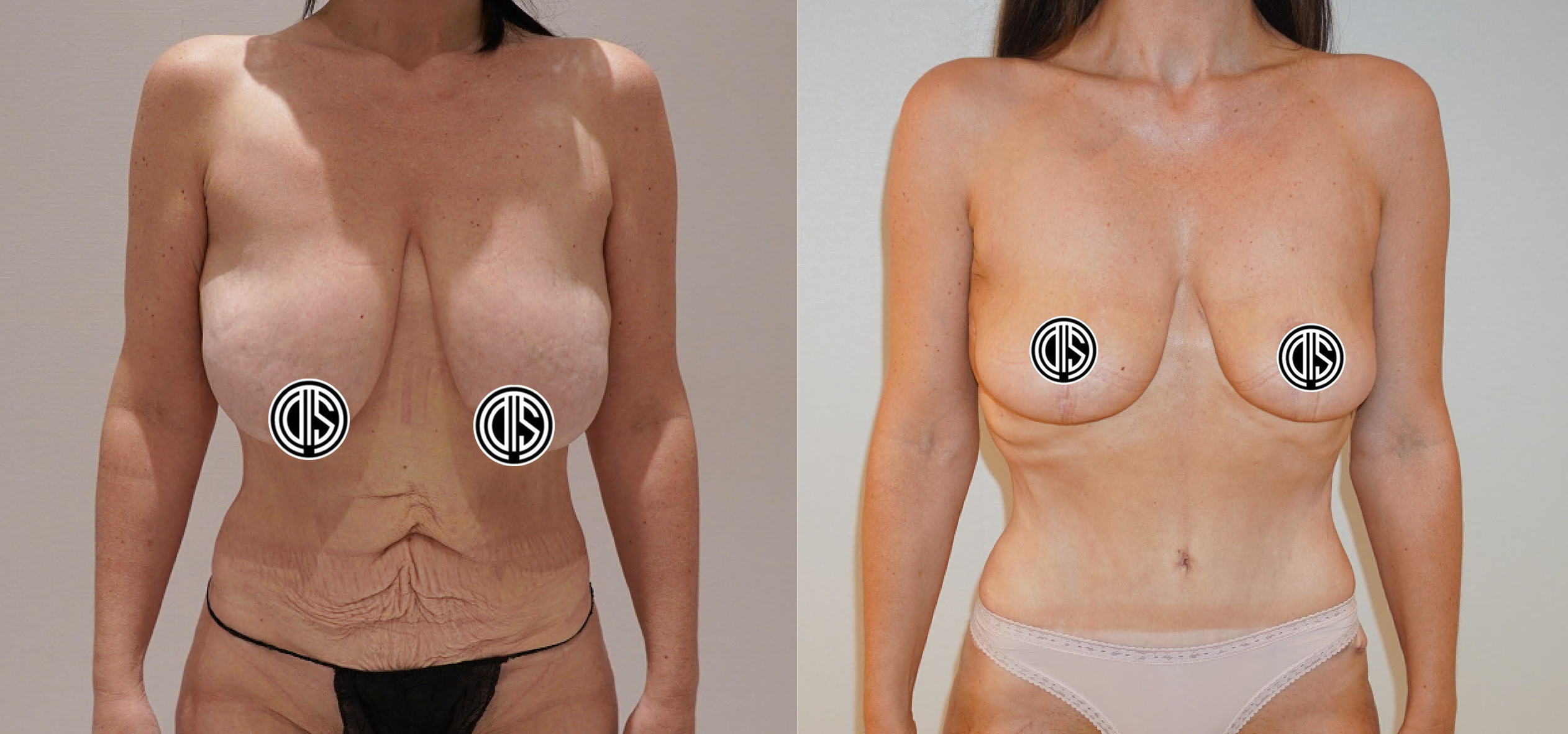
Breast Reduction
Case 3
Individual results may vary.
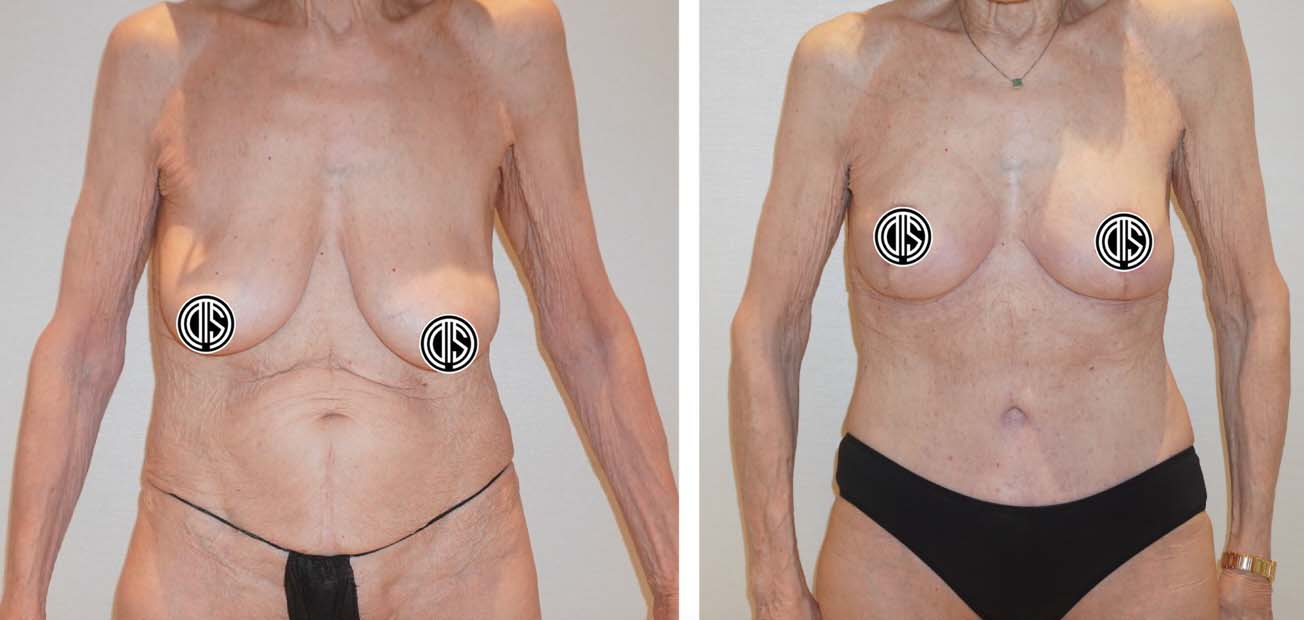
Breast Reduction
Case 4
Individual results may vary.
Individual results may vary.
Breast reduction surgery (or reduction mammoplasty) removes excess breast tissue, fat, and skin to create a smaller, firmer breast profile. The procedure naturally lifts the breast while reducing its size.
The result is breasts that are lighter and more proportionate, and for most women a marked reduction in the strain carried by the neck, back and shoulders.
Breast reduction can be an aesthetic choice, whether or not physical symptoms are the main concern. Some patients want a smaller breast profile that fits their preferred proportions, clothing or active lifestyle. Dr. Smith plans the reduction around those individual goals, alongside your anatomy and health.
Upper-pole contour and fullness
Balance between the upper and lower portions of the breast
Nipple and areola position
Breast width on the chest
The space between the breasts and the appearance of cleavage
These choices are considered together. Your tissue, skin and chest shape help determine what is possible; the goal is a balanced result that reflects your preferences.
Read Dr. Smith’s perspective on breast reduction as an aesthetic procedure
The reasons for choosing breast reduction are personal. Patients may seek relief from physical symptoms, a change in shape and proportion, or both.
A Brief Overview Of The Procedure
You'll meet with Dr. Smith to discuss your goals and expectations. He'll review your general health and medical history, perform a physical exam, and take measurements and photos.
At your pre-operative visit, Canfield Vectra 3D imaging creates a three-dimensional model of your breasts and chest. You and Dr. Smith use it to discuss shape, proportions and the planned reduction, so he understands your preferences and you understand what your anatomy may allow. These simulations are communication and planning tools; they do not predict or guarantee an exact surgical result.
Dr. Smith selects an incision pattern based on individual needs and goals:
Excess breast tissue, fat and skin are carefully removed, and the nipple and areola are repositioned to support a lifted shape. Dr. Smith closes the incisions in layers with the aim of a neat, flat scar. Scars are permanent, and their appearance varies with healing. Dr. Smith does not use drains in his breast reductions.
When appropriate, Dr. Smith may reposition some of your own tissue from the lower breast to help create upper-pole fullness. This approach, called auto-augmentation, uses existing tissue to support shape without adding an implant. Its suitability depends on your anatomy, the tissue available and your goals.
You’ll wear a supportive surgical bra and follow your individualized recovery instructions. Pain management may include Exparel, a long-acting injectable local anesthetic used during surgery, and Journavx, a non-opioid prescription pain medicine, after surgery when appropriate. Many patients in Dr. Smith’s practice manage recovery with little or no opioid medication, but needs vary. Greater comfort does not replace healing time, follow-up or clearance to return to exercise.
Follow-up visits are scheduled the next morning, at 1 week, 2 weeks, 1 month, 3 months, 6 months and 1 year, at minimum. Dr. Smith leads post-operative care and sees post-op patients together with the practice’s physician assistant.
People may consider breast reduction for aesthetic goals, physical symptoms, or both. Dr. Smith assesses your health, anatomy and goals to determine whether surgery is appropriate. Insurance benefit criteria are separate from this clinical assessment.
All surgeries involve risk, and it is important that you understand them fully before making a decision. Dr. Smith will discuss all risks with you during your consultation.
The steps below are aimed at reducing the likelihood of complications. They do not remove the risk.
Dr. Smith is board-certified by the American Board of Plastic Surgery and operates in his own QUAD A accredited surgical facility, with anesthesia provided only by board-certified anesthesiologists.
Dr. Darren Smith has completed fellowship training in both aesthetic surgery and craniofacial surgery.
He is board-certified by the American Board of Plastic Surgery and completed his aesthetic surgery fellowship at Manhattan Eye, Ear and Throat Hospital. He has authored over 200 peer-reviewed publications, lectures and book chapters.
Dr. Smith handles complex cases with precision, from slender, athletic patients to those with unique anatomical challenges.
The practice is located in Manhattan’s Ritz Tower with a private operating suite. From consultation through final follow-up, Dr. Smith and his team provide attentive, individualized care.
Yes. The procedure involves removing skin and tissue, which naturally requires the nipple and areola to be repositioned. This repositioning achieves a lifting effect, firming the breast shape.
The cost varies based on the extent of surgery, anesthesia, facility fees, and other factors. During your consultation, Dr. Smith’s team will provide a detailed cost estimate tailored to your specific needs. Dr. Smith is out of network with all insurance plans; some plans offer out-of-network benefits for breast reduction when their criteria are met, and we work with a team that can help you use those benefits toward your procedure. Financing is also available through CareCredit and Alphaeon Credit.
Breast reduction naturally includes a lifting component and is performed as one single surgery. The price reflects this comprehensive procedure, and there is no separate fee added for the lift.
Dr. Smith is out of network with all insurance plans. Some plans offer out-of-network benefits for breast reduction when their criteria are met, which typically include documented symptoms such as chronic pain, a record of conservative treatments that have not helped, and a minimum amount of tissue removal based on the Schnur Sliding Scale. Our team will work with you to help you understand your plan’s requirements and use your out-of-network benefits toward your care.
Most breast reduction surgeries take two to three hours, depending on the amount of tissue being removed and the complexity of your case.
You will have significant swelling immediately after surgery. You will get a good sense of your final size around 3 to 6 months post-surgery, but it can take up to a full year for all swelling to resolve.
Breast reduction can affect breastfeeding. However, many women successfully breastfeed after reduction. If you plan to have children, discuss this during the consultation.
Breast reduction is safe when performed by a board-certified plastic surgeon in an accredited surgical facility. As with any surgery, risks exist, and they are reviewed with you in detail before you decide.
It depends on individual healing progress. Most patients wear a supportive surgical bra for four to six weeks after surgery.
Most patients feel ready to return to a desk job or light work within 5 to 7 days, but you must avoid vigorous exercise for 4 to 8 weeks. While the initial swelling goes down quickly, you will get a good sense of your final shape around 3 to 6 months as the tissues fully settle.
Consultations are $500, applied toward any procedure that is booked. Your consultation with Dr. Smith focuses on your goals, health history, examination and an individualized surgical plan.
Surgical pricing is individualized. The practice is out of network. Our practice manager works with our dedicated out-of-network specialist to provide a detailed benefits review at no cost, helping you understand your financial obligations. We respond to benefits-review inquiries within one business day. Coverage and reimbursement depend on your plan. CareCredit and Alphaeon financing are available.
Plan your consultationDr. Smith’s practice is located at the Ritz Tower, 111 East 57th Street, Ground Floor, New York, NY 10022, in Midtown Manhattan. The office welcomes patients from across the five boroughs, the tri-state area, and well beyond.
Office hours are Monday–Friday, 9 AM–5 PM. The ground-floor office has step-free entry, and parking is available directly across the street from Ritz Tower. Call (212) 633-0627 to plan your visit or ask about accessibility.
YOUR NEXT CHAPTER
Discuss your priorities, ask questions and explore treatment options with our team.
Our practice is located at the Ritz Tower, 111 East 57th Street in Midtown Manhattan. We welcome patients from the five boroughs and the surrounding tri-state area. If you are traveling for care, explore our guide for out-of-town patients.
Request a consultation