Photo 5
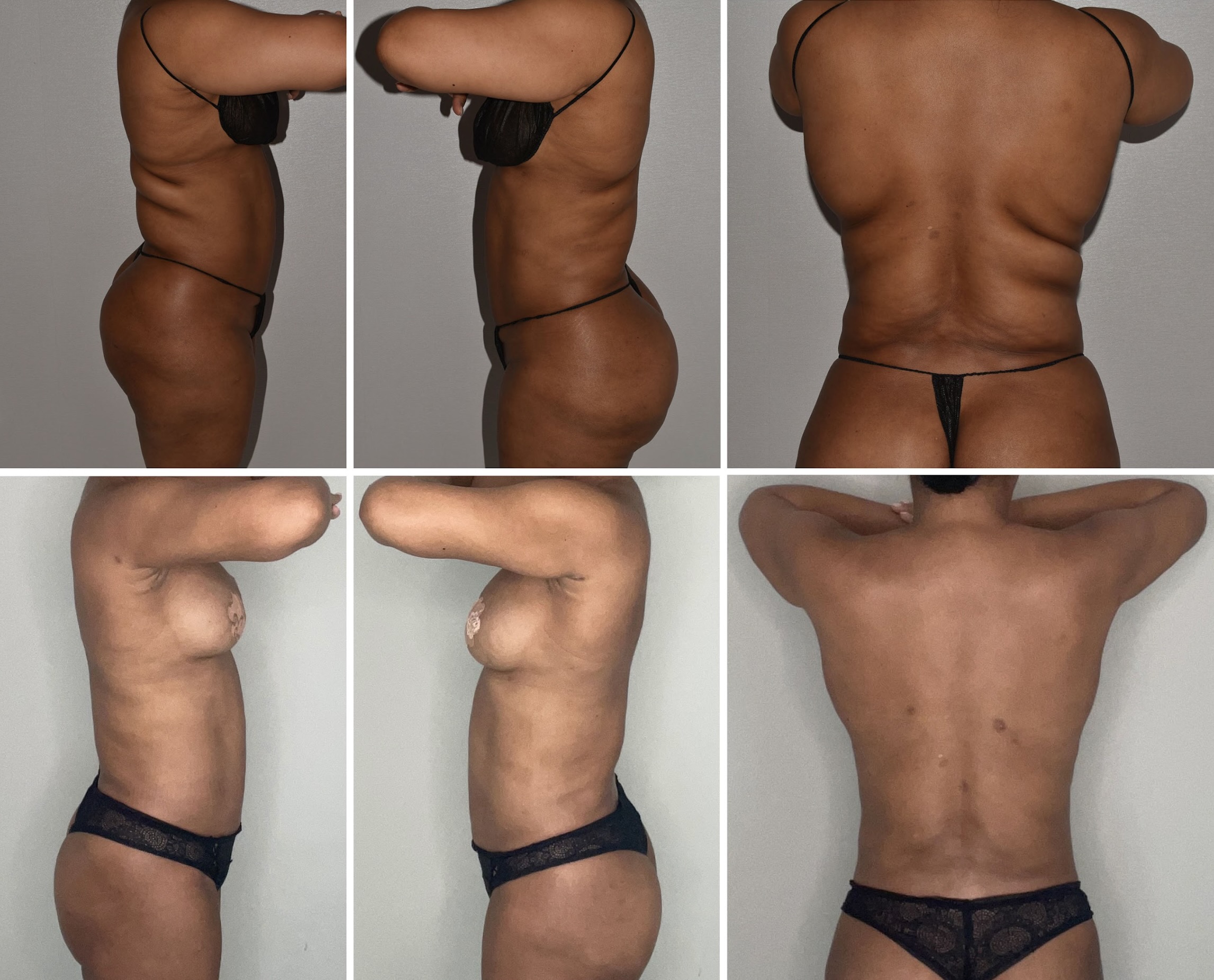

BEFORE & AFTER PHOTOGRAPHS
Explore photographs from our pah correction gallery. Individual results vary.
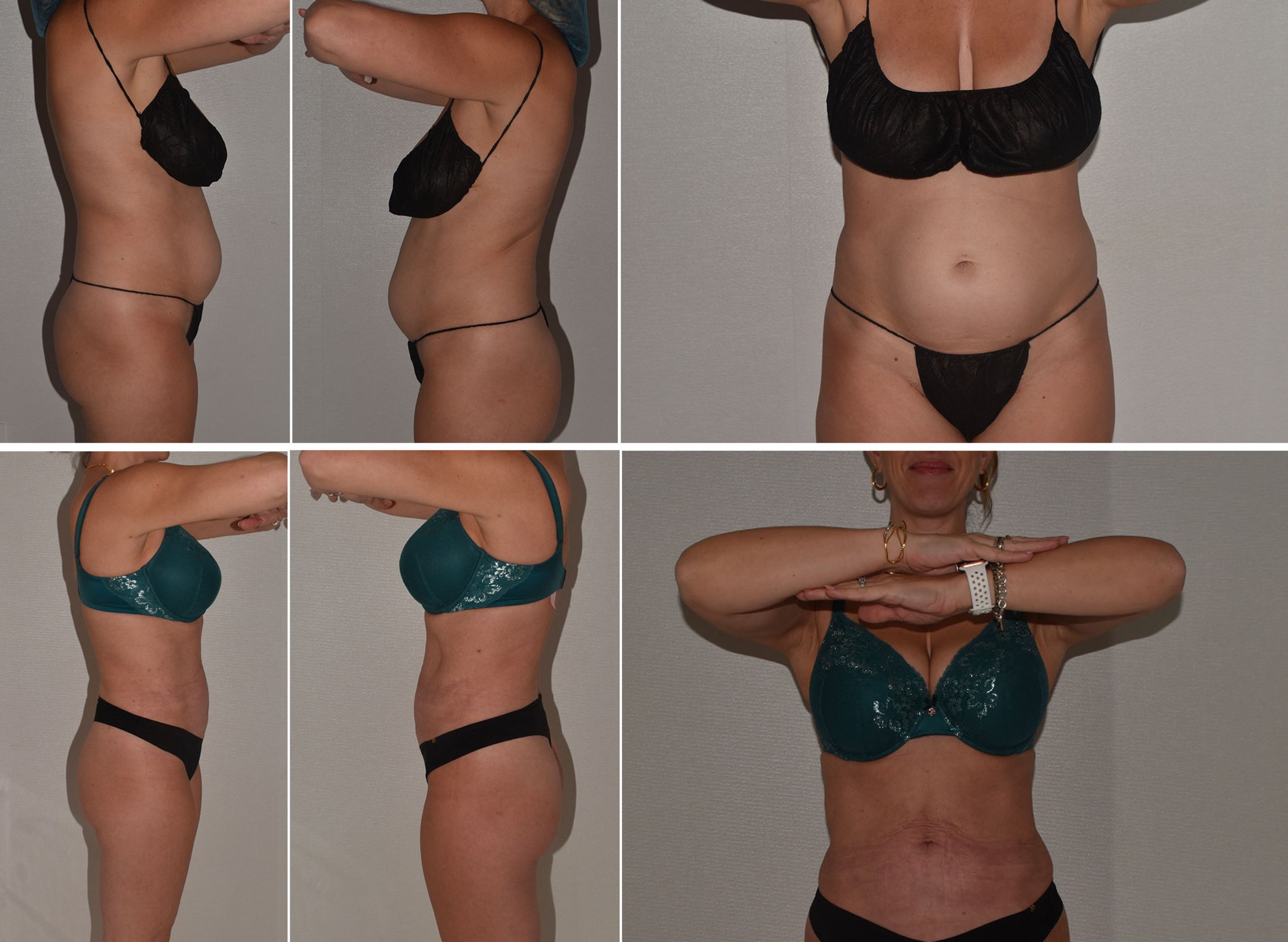
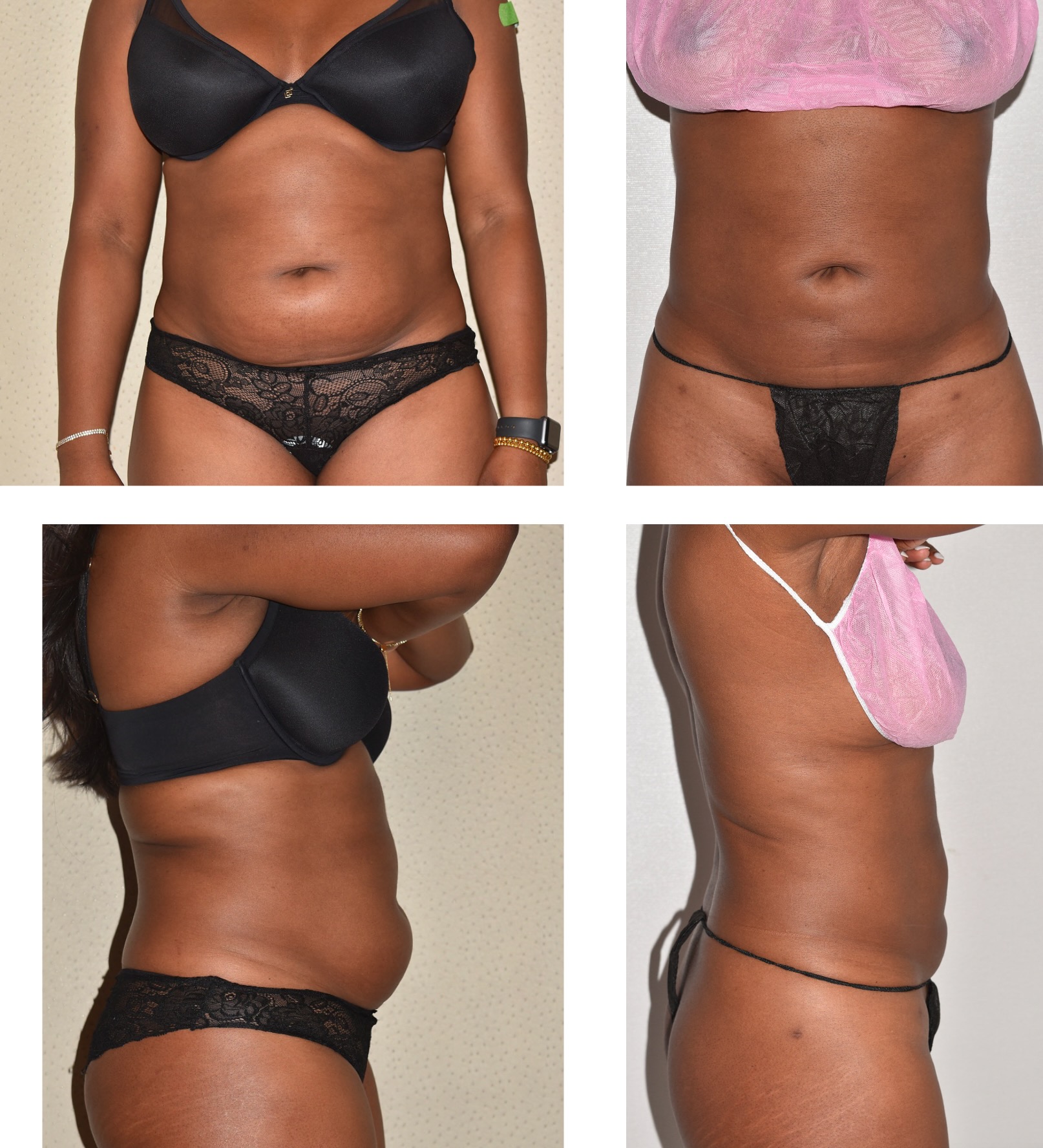
Discuss your goals and the treatment options for your anatomy with Dr. Darren M. Smith at a consultation in New York City.
CoolSculpting is a non-surgical way to reduce stubborn fat. In rare cases it can cause Paradoxical Adipose Hyperplasia (PAH), the opposite of the intended effect. Instead of shrinking the fat, PAH causes it to grow.
Dr. Darren M. Smith is a New York plastic surgeon with extensive experience diagnosing and treating PAH. Treatment is planned case by case after an examination.
PAH
Dr. Darren Smith co-authored a 2024 clinical case series on paradoxical adipose hyperplasia after cryolipolysis. The paper discusses diagnosis and treatment approaches for this complication.
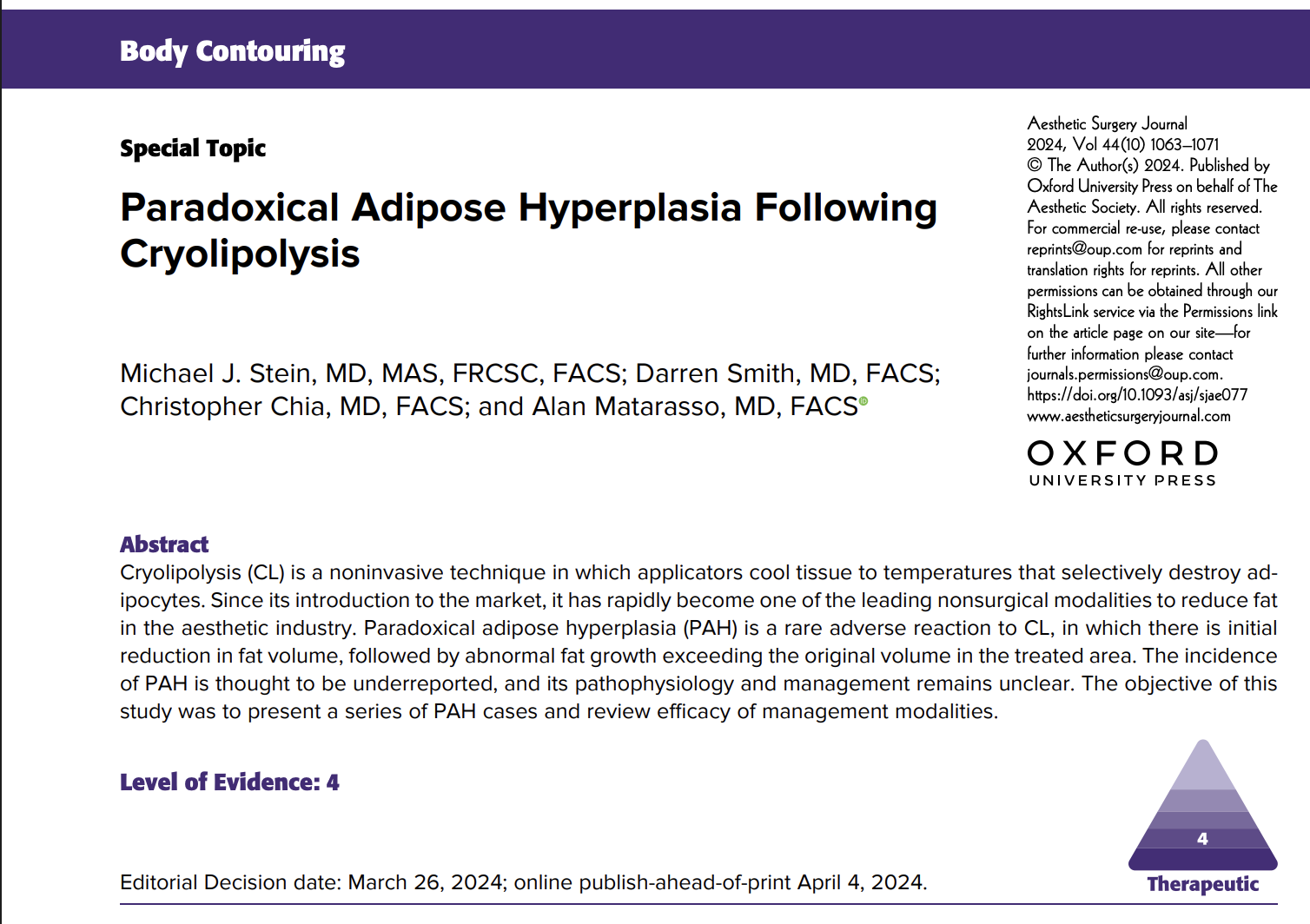
Stein MJ, Smith D, Chia C, Matarasso A. Aesthetic Surgery Journal. 2024;44(10):1063–1071. DOI: 10.1093/asj/sjae077.
Clinical case series. Level of Evidence: 4.
Read the publicationCoolSculpting is a widely used noninvasive body contouring technique. Applicators are placed on specific areas of the body. The manufacturer reports an average reduction in fatty bulges of 22 to 23 percent; individual results vary.
Dr. Smith prefers Emsculpt Neo and does not offer CoolSculpting. The manufacturer reports that Emsculpt Neo reduces fat by an average of 30 percent and increases muscle mass by around 25 percent; individual results vary. For those interested in exploring more about Emsculpt Neo, a detailed overview can be found here.
To get a grasp of how CoolSculpting operates, one should understand the procedure’s mechanics:
The appeal of CoolSculpting lies in working with the body’s own processes. After apoptosis is induced, the body clears the dead fat cells over the following weeks.
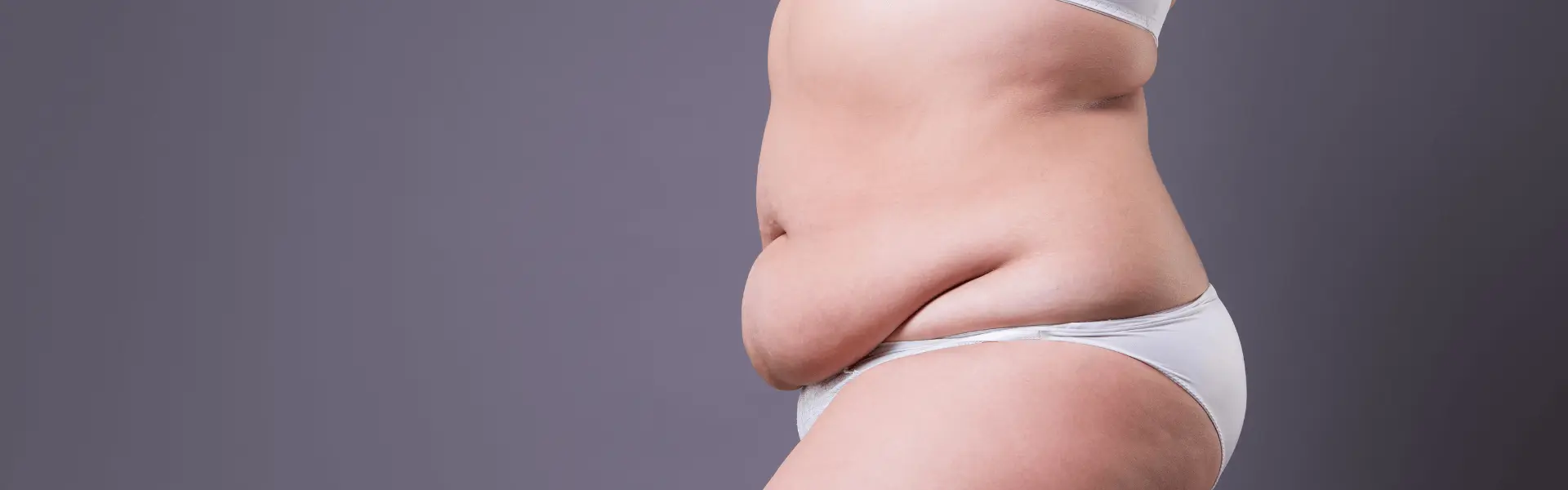
Paradoxical adipose hyperplasia (PAH) is a rare phenomenon where fatty tissue grows larger rather than shrinking after cryolipolysis treatments. The enlarged fat cells form noticeable bulges that resemble the shape of the cryolipolysis applicator. PAH lumps tend to feel firmer than the surrounding tissue.
The precise origin of PAH is not established. Researchers have proposed several theories.
Some fat cells, due to innate qualities, may have a higher resistance to cold temperatures.
As a result, these robust cells are more likely to survive the cooling process applied during CoolSculpting and cryolipolysis treatments. It is surmised that specific signaling molecules, referred to as hypoxia-inducible factors (HIFs), play a crucial role.
These HIFs are believed to stimulate a sequence of events in the body, promoting blood vessel growth, enlargement of resilient fat cells, and even the growth of new fat cells, leading to PAH.
Then there’s the theory stemming from the BRAVA medical device. This specialized bra is worn to treat the breasts with suction, commonly termed as “negative pressure therapy,” as a preparatory measure for breast augmentation through fat grafting.
The suctioning effect amplifies the blood supply and boosts the action of certain growth factors in the target area, enhancing the acceptance of transferred fat in breast augmentation.
There’s a possibility that a similar principle applies to cryolipolysis or CoolSculpting, where the suction might promote the growth and survival of specific fat cells, contributing to PAH.
More detail on fat grafting and fat transfer is available here.
After undergoing cryolipolysis, one might expect reductions in fat. However, the hallmark of PAH is the opposite. Key indicators include:
It’s perplexing why PAH chooses to make its appearance several months post-treatment. One hypothesis involves signaling molecules called HIFs. HIFs may initiate processes that enlarge surviving fat cells months down the line.
PAH occurs most often in the abdomen. However, any body area exposed to cryolipolysis could develop PAH. The chin is the sole facial area that is FDA-approved for CoolSculpting.
Some medical practices venture beyond standard guidelines, termed as “off-label” use. If CoolSculpting or cryolipolysis is administered off-label to other facial regions, there’s a theoretical possibility for PAH to develop in those areas too.
If you notice any of these changes after cryolipolysis, contact the practice. PAH needs to be diagnosed before it can be treated, and it is often mistaken for an incomplete result rather than a complication.
PAH is corrected surgically. Dr. Darren Smith has extensive experience treating PAH that follows CoolSculpting procedures.
Dr. Smith prefers Emsculpt Neo for noninvasive body contouring. The practice does not offer CoolSculpting.
Non-invasive treatments have little to offer once PAH is established. Repeating cryolipolysis is not a remedy for a condition cryolipolysis caused, and the enlarged, fibrous fat that characterizes PAH does not respond to cooling the way normal fat does. Surgical removal is what corrects it.
Kybella has been used for this, though its effectiveness against PAH is not established. Dr. Smith has not been impressed with the effectiveness of SculpSure for PAH.
Liposuction, in many instances, provides a robust solution to PAH challenges. Its ability to directly target and remove the fat deposits makes it an effective treatment choice. However, PAH can present fat that’s more fibrous or rigid than what’s typically encountered, which can sometimes push the boundaries of traditional liposuction.
For those particularly stubborn PAH fat deposits, the VASER technology offers an advanced solution. By utilizing ultrasound energy, VASER assists in breaking down and liquefying these tenacious fats, thus facilitating their removal with greater ease.
After the fat is addressed, the overlying skin may need attention. BodyTite uses targeted radiofrequency to tighten skin, which can improve the contour. How much tightening is achievable depends on your skin quality.
In scenarios where there’s significant excess skin post-PAH treatment, an abdominoplasty, commonly known as a “tummy tuck”, could be the answer. This surgical procedure combines the fat removal prowess of liposuction with the trimming of excess skin to produce an aesthetically pleasing result.
Dr. Darren Smith’s extensive experience in addressing Paradoxical Adipose Hyperplasia (PAH) has led to the creation of a reliable four-step strategy to tackle this challenging issue.
Standard liposuction begins with the introduction of a tumescent solution to numb the area and minimize side effects like bleeding or bruising. However, when treating PAH, more of this solution is used due to the need for a more assertive approach in extracting the tougher, fibrous PAH fat.
While smaller standard liposuction areas might be managed under IV sedation or even while awake, PAH procedures are best performed under general anesthesia. This not only enhances the patient’s comfort but also allows Dr. Smith the freedom to be thoroughly exhaustive in fat removal.
PAH fat is notably denser and more fibrous than ordinary fat. Simply using a cannula, which is a straw attached to a suction mechanism, as in standard liposuction will not suffice. The analogy would be trying to sip ice cream through a straw, which is not very effective.
To address this, the PAH fat is pre-treated with VASER ultrasound energy. Once “melted” or softened, the task of suctioning this fat becomes more akin to drinking a milkshake, proving much more efficient.
Post the VASER treatment, the procedure aligns with conventional liposuction. The softened PAH fat is suctioned out from the treated area using the cannula, leaving behind a smoother contour.
In instances where the PAH fat has led to significant skin stretching, additional steps might be needed. One option is employing bipolar radiofrequency energy through BodyTite to tighten any loose skin.
BodyTite uses bipolar radiofrequency, which allows the temperature at the skin and in the tissue beneath it to be monitored during treatment. It is the radiofrequency device Dr. Smith uses. The practice does not offer Renuvion.
For pronounced skin looseness, an abdominoplasty, commonly known as a tummy tuck, might be the best course of action.
If you’re thinking about PAH treatment in New York City, the fee depends on which treatment is recommended and how many areas are involved. Fees are quoted individually after your consultation.
Note: Prices fluctuate based on several factors, including the facility’s reputation, the surgeon’s expertise, and the geographical area.
The recovery from Paradoxical Adipose Hyperplasia (PAH) surgery is dependent on the individual and the extent of the condition.
The main treatment options for PAH are liposuction or, in more severe cases, abdominoplasty (tummy tuck). The recovery timeline and tips will be based on these procedures:
| Time Frame | What’s Expected | Guidance |
| Initial 48 Hours | Soreness, swelling, and potential bruising. | Prioritize rest and avoid strenuous tasks. |
| Days 3 to 14 | A downward trend in pain; swelling begins to diminish. | Resume light duties gradually. Hold off on rigorous workouts. |
| Weeks 2 to 4 | Most discomfort diminishes. Preliminary liposuction results become visible. | Follow Dr. Smith’s advice before resuming regular activities. |
| Months 1 to 3 | Residual swelling fades, revealing the surgery’s final results. | Stay committed to a healthy lifestyle to preserve and enhance the results. |
| Time Frame | What’s Expected | Guidance |
| Initial 48 Hours | Anticipate pain and swelling. | Rest is essential. Refrain from engaging in strenuous activities. |
| Days 3 to 14 | Suitability for non-laborious tasks, approached with care. | Avoid heavy lifting and intensive exercises. |
| Weeks 2 to 6 | Swelling recedes progressively. | Wear the compression garment as Dr. Smith directs. A body suit is worn for 4 weeks after abdominoplasty. |
| Months 3 to 6 | The full effects of the abdominoplasty are evident. | Follow the post-operative guidelines to maintain the result. |
Uncommon but possible, complications may manifest as severe unrelenting pain, unexpected warmth, or marked redness around incisions.
Any sudden swelling, unexpected discharge, or fever crossing 100°F warrants immediate attention. If anything feels off, Dr. Smith is just a call away, ready to guide.
Those exhibiting noticeable fat deposits or adipose hyperplasia that remains unresponsive to non-surgical treatment options might be suitable candidates. They should be in overall good health without conditions that impair healing.
Candidates need to be near their goal weight with realistic expectations. A thorough consultation with Dr. Smith will provide clarity on your suitability for the procedure.
Unhappy with the result of CoolSculpting?
Dr. Darren M. Smith focuses on PAH correction. Treatment removes the enlarged fat and, where needed, addresses the loose skin left behind.
Booking Made Simple: Reach out the way you prefer. Book online or give us a ring at + 1 (212) 633-0627.
Most patients see a clear improvement: smoother, better-proportioned contours and reduced PAH lumps. Some minor irregularities can remain. The final effect becomes evident over a few months as swelling settles.
For the initial week or two, it is best to take things easy. Most discomfort such as pain, swelling, and bruising tends to settle within a month. Keep activity light and avoid heavy exertion for about 6 weeks after surgery. By the six-month mark the result has settled.
As with any surgery, potential PAH surgery risks include bleeding, infection, scarring, asymmetry, numbness, and recurrence of stubborn fat cells. Dr. Smith takes meticulous precautions to minimize risks. He’ll discuss your unique considerations during your consultation.
Liposuction incisions are small, usually less than 1 centimeter, and are placed where they can be concealed. Scars fade over time but do not disappear.
Dr. Smith is out of network with all insurance plans, and PAH treatment is usually considered cosmetic, so it is not typically covered. If your plan does offer out-of-network benefits that apply, our team will work with you to help you use them toward your care. Financing is available through CareCredit and Alphaeon Credit.
Dr. Smith’s practice is located at the Ritz Tower, 111 East 57th Street, Ground Floor, New York, NY 10022, in Midtown Manhattan. The office welcomes patients from across the five boroughs, the tri-state area, and well beyond.
New Yorkers come to Dr. Smith because his work is refined, exacting, and never one-size-fits-all. Whether you are a lifelong New Yorker or traveling in for a consultation, you will find a practice that treats every patient with precision and discretion.
YOUR NEXT CHAPTER
Discuss your priorities, ask questions and explore a personal surgical plan with Dr. Smith.
Our practice is located at the Ritz Tower, 111 East 57th Street in Midtown Manhattan. We welcome patients from the five boroughs and the surrounding tri-state area. If you are traveling for care, explore our guide for out-of-town patients.
Request a consultation