Skip to content
Darren M. Smith, MD, FACS

Plastic Surgery After GLP‑1 Weight Loss in NYC

Illustration of weight-loss medication injector pens against a flowing teal background.

Explore tummy tucks, breast lifts and body contouring after weight loss with Ozempic, Mounjaro, Wegovy or Zepbound. Darren M. Smith, MD, FACS offers individualized plastic surgery planning in New York City for loose skin and changes in breast or body volume.

Plastic surgery after Ozempic and GLP-1 weight loss.

Plastic surgery after GLP-1 weight loss addresses loose skin, remaining fat and changes in volume after weight loss with medications such as Ozempic, Wegovy, Mounjaro or Zepbound. Options include tummy tucks, breast lifts, arm lifts and thigh lifts. Dr. Smith uses established body contouring procedures, with an individualized plan based on your anatomy, health and goals.

Your consultation brings together your weight history, the areas you would like to address, and your plans for maintaining your weight. GLP-1 prescribing and ongoing medication care stay with your prescribing physician; the surgical plan is coordinated around that care.

Schedule a consultation to explore a plan around your goals.

Tummy tucks, breast lifts and skin removal after weight loss.

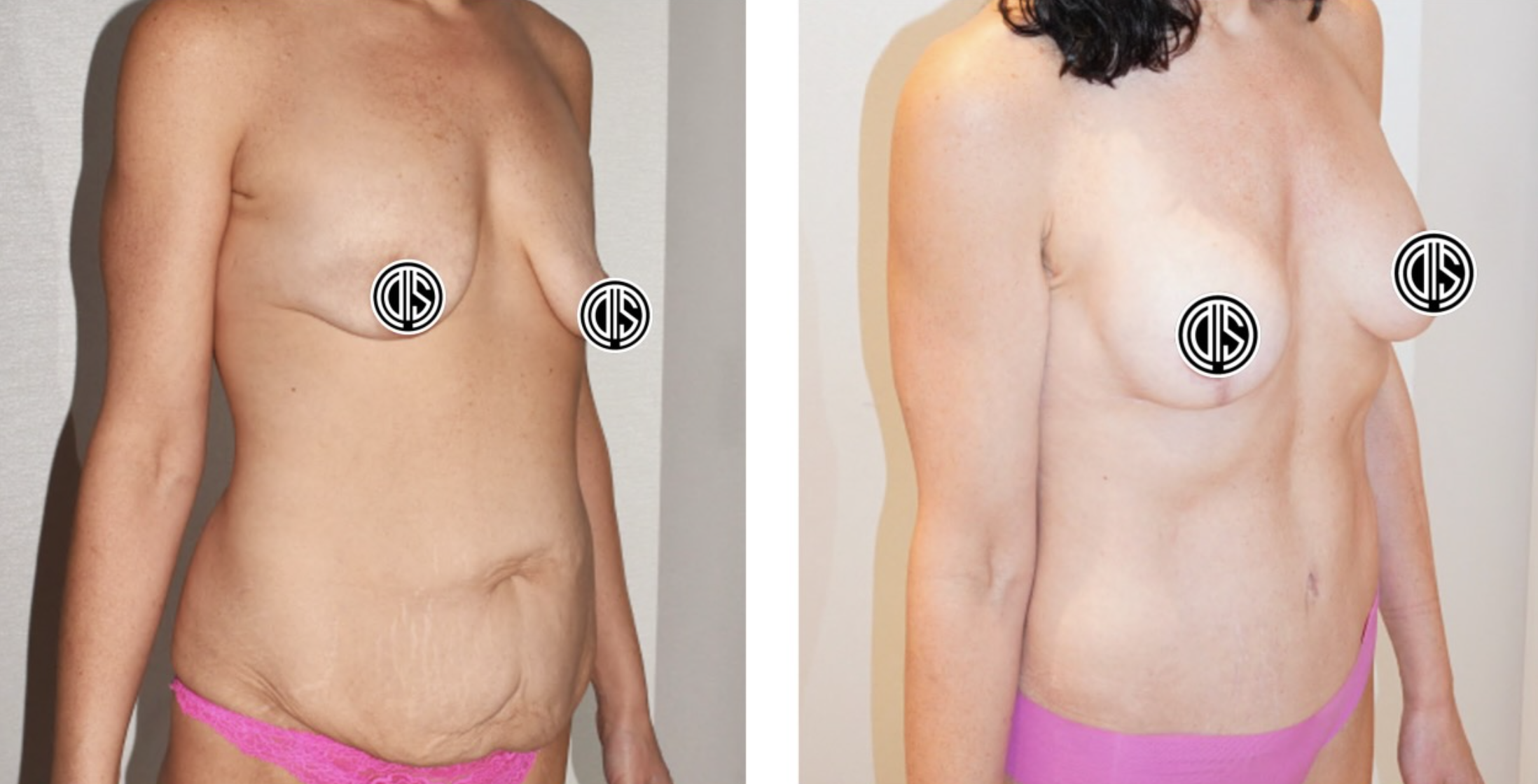
After GLP-1 weight loss, body contouring addresses three kinds of change: remaining fat, loose skin and lost volume. Liposuction removes leftover fat, skin-removal procedures address laxity, and volume restoration rebuilds fullness where it has been lost. Most patients need a combination, with loose skin often the main concern. Your examination helps determine which procedures fit your anatomy and goals.

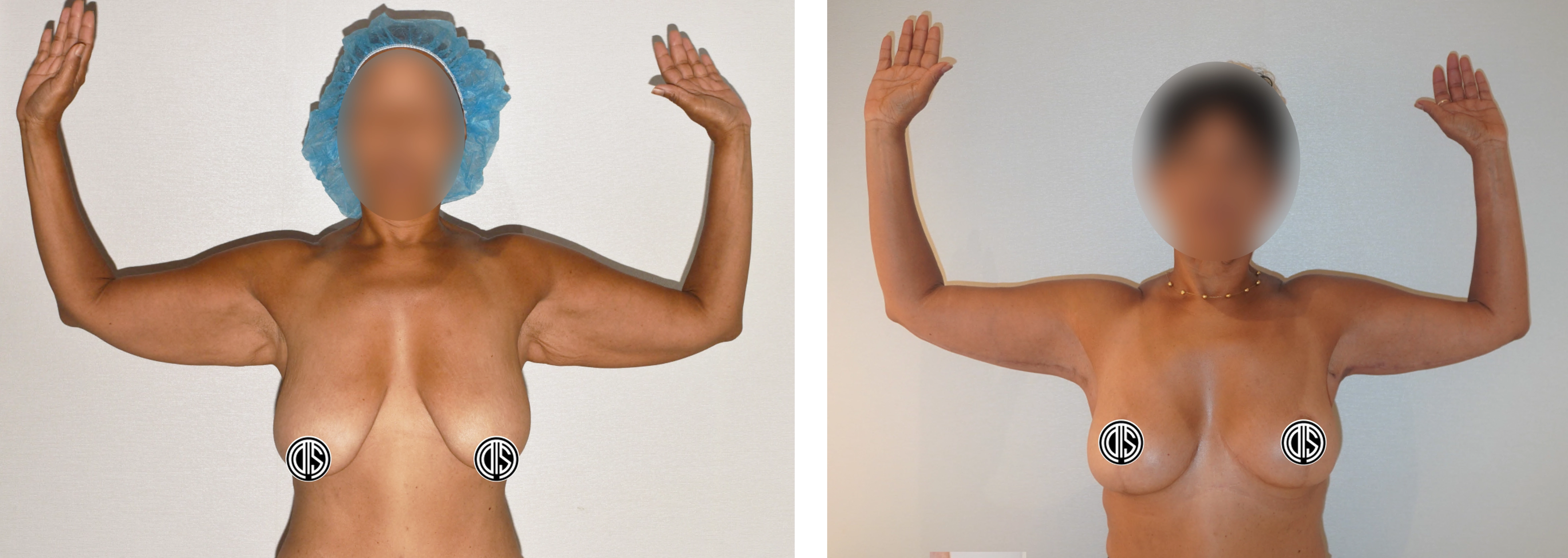
Liposuction may be an option for remaining fat when skin elasticity is good. Mild to moderate skin laxity may be addressed with liposuction and radiofrequency skin tightening. More substantial loose skin may call for skin removal, such as tummy tuck (abdominoplasty) for the abdomen, an arm lift, a thigh lift or a breast lift.

An extended tummy tuck can address skin excess toward the hips. A circumferential body lift also addresses excess skin at the back and can lift the buttocks and outer thighs. Dr. Smith explains which areas each option treats and where the incisions would be.

The phrase “360 tuck” can describe different operations. At consultation, clarify whether the plan is a tummy tuck with liposuction around the torso or an operation that also removes skin from the back. The details of the proposed procedure matter more than its name.

A breast lift after GLP-1 weight loss addresses sagging and changes in shape. Lost breast fullness can be restored with implants, fat transfer, or both. Buttock volume can be restored with fat transfer or autoaugmentation, which repositions your own loose tissue to rebuild fullness rather than removing it. A tummy tuck and breast lift may be combined using procedures also included in a mommy makeover. Facial volume loss and loose skin can also be assessed for fat transfer, procedures that address skin laxity, or a combination, based on the examination.

Planning when you are ready.

Planning starts with stable weight, an established medication plan, adequate nutrition and optimized general health. Dr. Smith considers how long your weight has been stable alongside your anatomy, health and goals. Your consultation also covers what the proposed operation can address, whether procedures should be combined or staged, and the help at home and time off work you will need.

Preparing for surgery

  • No nicotine in any form for four weeks before surgery and four weeks after it. That includes cigarettes, vaping, pouches, patches and gum. The practice tests for nicotine.
  • Your medication and supplement list is reviewed at consultation, including the practice’s 10-day pause for items that can act as blood thinners. The team provides the instructions for your individual plan.
  • Medical clearance and laboratory work are required for cases under anesthesia, and laboratory work for cases under local anesthesia. Patients over 40 having anesthesia also have an EKG. Nutritional screening is tailored to the weight loss history.
  • Weight stable for three months before the operation.

When more preparation may help

  • Weight is still coming down, or a further planned loss has not happened yet.
  • Maintenance therapy is about to stop without a plan for holding the weight.
  • Albumin or prealbumin is low and has not been corrected.
  • A pregnancy is planned. Abdominal wall repair and skin excision are best done after childbearing is complete.
  • A medical condition has not been optimized, or the decision is being driven by someone other than the patient.

The decision to have surgery should be your own. Dr. Smith will discuss the expected changes and the limits of the proposed plan with you at consultation.

When to have plastic surgery after GLP-1 weight loss.

Dr. Smith plans body contouring when you are at or near your goal weight and your weight has been stable for three months. The timing is based on your own weight history and plans, rather than a fixed interval from starting a GLP-1 medication.

Your weight maintenance plan

Discuss your longer-term medication and weight maintenance plan with your prescribing physician before scheduling surgery. Further weight loss or weight regain can change a surgical result, so that plan is part of the consultation.

Nutrition and strength before surgery.

Preparation includes attention to nutrition and strength after weight loss. Dr. Smith reviews your weight history and tailors nutritional screening to the amount of weight lost.

After substantial weight loss, the practice checks nutritional markers such as albumin and prealbumin; these are routinely checked when loss approaches or exceeds about 20 percent of body weight. If a nutritional deficit is identified, it is addressed before surgery.

Protein intake and resistance training are discussed before surgery. Protein goals are personalized with the physician prescribing your weight loss medication, taking your weight, diet and medication plan into account.

Your medication plan around surgery.

Dr. Smith’s usual plan is a two-week GLP-1 pause before surgery and a restart two weeks afterward. A longer preoperative pause may be discussed based on your circumstances. Your surgical team and prescribing physician coordinate the plan for you.

Anesthesia and fasting instructions are individualized by the board-certified anesthesiologist involved in your care. Bring the name and dose of your medication, start and stop dates, and your weight history, including past GLP-1 use.

Compounded products

Dr. Smith advises against compounded GLP-1 products. If you take one, tell the practice its source, medication and dose so the team can account for what you are taking when planning care.

Recovery and follow-up.

Recovery depends on the operation or combination of procedures in your plan. The tummy tuck and breast lift pages explain recovery for those operations. When procedures are combined, Dr. Smith individualizes time off work, lifting restrictions and return to exercise around the complete plan. Discuss childcare and help at home at consultation.

Your postoperative plan includes nutrition and the timing of restarting your medication. The usual GLP-1 restart is two weeks after surgery, with your individual plan coordinated with the prescribing physician.

Your follow-up care

Patients are seen the next morning, then at one week, two weeks, one month, three months, six months and one year. That schedule is the minimum, and patients may come in as often as they want on top of it.

Dr. Smith leads postoperative care with the practice’s physician assistant. They see patients together, and Dr. Smith is present for every major visit; some minor visits may be with the physician assistant alone. Additional visits are available when you would like to be seen.

What drives the cost of post-weight-loss body contouring.

Cost follows the size of the operation rather than the diagnosis. The variables are how many areas are treated, whether the plan is liposuction alone or an excisional operation, whether skin tightening is added, how many procedures are combined or staged, how long the case runs, the anesthesia, the surgical facility, garments and postoperative visits. A plan staged across two operations carries two facility and anesthesia costs.

The quote, the deposit and the revision policy

Every quote is itemized into a surgeon's fee, a facility fee and an anesthesia fee, so that each component is visible rather than bundled into one number. All post-operative visits are included in the quote. Other items are not. A quote is valid for 30 days, and a 10 percent deposit is taken at booking.

For one year after surgery there is no surgeon's fee on a revision. The patient remains responsible for the anesthesia and facility fees if a revision is performed.

Consultations are $500, applied toward any procedure booked, and the fee is not waived. The practice offers financing through CareCredit and Alphaeon Credit. Dr. Smith is out of network with all insurance plans; the practice helps patients use out-of-network benefits toward care. A quote for a specific plan is given at consultation.

Care and safety.

Surgery has risks, including bleeding, infection, blood clots, poor scarring, changes in sensation, delayed healing, fluid collection, asymmetry and the possible need for further surgery. Anesthesia also carries risks. Dr. Smith reviews your individual risk, the extent of the proposed surgery and whether procedures should be staged at consultation.

Dr. Smith is board-certified by the American Board of Plastic Surgery and works with board-certified anesthesiologists. Most post-weight-loss body contouring procedures in his practice are performed in his QUAD A-accredited outpatient facility at 111 East 57th Street in Manhattan. A hospital is used when medical conditions require care beyond an outpatient facility. The setting is selected after reviewing your health, the planned procedures and recovery needs.

Your questions about plastic surgery after GLP-1 weight loss.

Can I get a tummy tuck after losing weight on Ozempic?

Yes, a tummy tuck may be an option for loose abdominal skin after weight loss with Ozempic or another GLP-1 medication. Dr. Smith asks that you be at or near your goal weight and stable for three months before surgery. Your examination, health, nutrition and medication plan determine whether and when surgery is appropriate.

Can a breast lift help after Mounjaro or Zepbound weight loss?

A breast lift can address sagging and changes in breast shape after weight loss with Mounjaro, Zepbound or other GLP-1 medications. If you also want to restore fullness, Dr. Smith can discuss volume restoration with or without a lift. The choice depends on your remaining breast tissue, skin and goals.

Can I combine a tummy tuck and breast lift after GLP-1 weight loss?

A tummy tuck and breast lift can be combined in an appropriate patient after GLP-1 weight loss, using procedures also included in a mommy makeover. A tummy tuck may also be combined with an arm lift or a thigh lift. Dr. Smith generally separates arm and thigh lifts because recovering from both at once is difficult. He does not combine skin-removal operations that pull against each other, such as a bra-line back lift and a buttock lift. Your health, nutrition, weight stability, anatomy and goals guide the final plan.

Do I have to stop Ozempic, Mounjaro or another GLP-1 before surgery?

Dr. Smith’s usual plan is a two-week pause before surgery and a restart two weeks afterward. A longer preoperative pause may be discussed for your circumstances. The surgical team coordinates your individual instructions with your prescribing physician.

What if I regain the weight after surgery?

Weight regain or further weight loss can change your result. The practice requires stable weight before surgery and discusses your maintenance plan with you before scheduling. Your prescribing physician continues to manage your longer-term medication plan.

What can address facial volume loss after Ozempic weight loss?

Facial volume loss or loose skin can be assessed at consultation. Options already used after substantial weight loss include fat transfer, procedures that address skin laxity, or both, depending on your examination and goals.

How long should I wait for plastic surgery after GLP-1 weight loss?

Dr. Smith asks that you be at or near goal weight and stable for three months before the operation. The timing also takes your health, nutrition and medication plan into account.

Does taking Ozempic or Mounjaro affect plastic surgery risks?

Published studies report differing outcomes, and research is still developing. Dr. Smith considers your weight loss history, nutrition, medical conditions, medication use and planned procedure together when discussing your individual risk.

Will I need blood work?

Yes. The practice requires laboratory work before surgery, with medical clearance for cases under anesthesia. After substantial weight loss, nutritional markers such as albumin and prealbumin are also assessed. Identified nutritional deficits are addressed before surgery.

How much protein should I be eating?

Your protein goal is individualized with the physician prescribing your weight loss medication. It depends on your weight, diet, medication plan and nutritional needs. Discuss nutrition and resistance training before surgery so preparation is part of your plan.

Do I need a tummy tuck or a body lift after GLP-1 weight loss?

That depends on where you have excess skin. A tummy tuck addresses the abdomen; an extended tummy tuck can also address skin toward the hips. A circumferential body lift also removes excess skin from the back. The term “360 tuck” can refer to different operations, so Dr. Smith explains the areas treated and incision placement at consultation.

I take a compounded version. Does that change anything?

Tell the practice the medication, dose and source of any compounded product you take. Dr. Smith advises against compounded GLP-1 products, and the team needs an accurate medication history to plan your care.

Can I have surgery if I want to get pregnant later?

Abdominal wall repair and skin excision are best done after childbearing is complete, because pregnancy stretches both again. The practice asks patients to wait at least three to six months after finishing pregnancy and breastfeeding before body contouring, so hormonal effects have resolved and fat distribution has returned to baseline. Questions about contraception, conception and washout while on a GLP-1 belong with the prescribing physician rather than with the surgical plan.

Can you prescribe or manage my GLP-1?

No. The practice refers out for GLP-1 therapy and does not prescribe or co-manage it. Your prescribing physician continues to manage that care, while the surgical team coordinates the plan around surgery.

What should I bring to the consultation?

Bring your highest and current weights, when the loss started and when it stabilized, and your medication names, doses, and start or stop dates. Include past GLP-1 use and recent laboratory results if you have them.

Research and your individual plan.

Research on body contouring after GLP-1 weight loss is still developing, and published studies report differing outcomes. A medication history alone does not describe your circumstances. Your consultation considers your weight history, nutrition, general health and the proposed operation together. Selected references are listed below.

YOUR NEXT CHAPTER

Care begins
with listening.

Discuss your priorities, ask questions and explore treatment options with our team.

Our practice is located at the Ritz Tower, 111 East 57th Street in Midtown Manhattan. We welcome patients from the five boroughs and the surrounding tri-state area. If you are traveling for care, explore our guide for out-of-town patients.

Request a consultation
CONTACT US212.633.0627