Skip to procedure

Body contouring · New York

Lipo 360 in NYC

Woman wearing a white top and briefs, from the original Body page

An individual approach to contouring the front, back and sides of the torso.

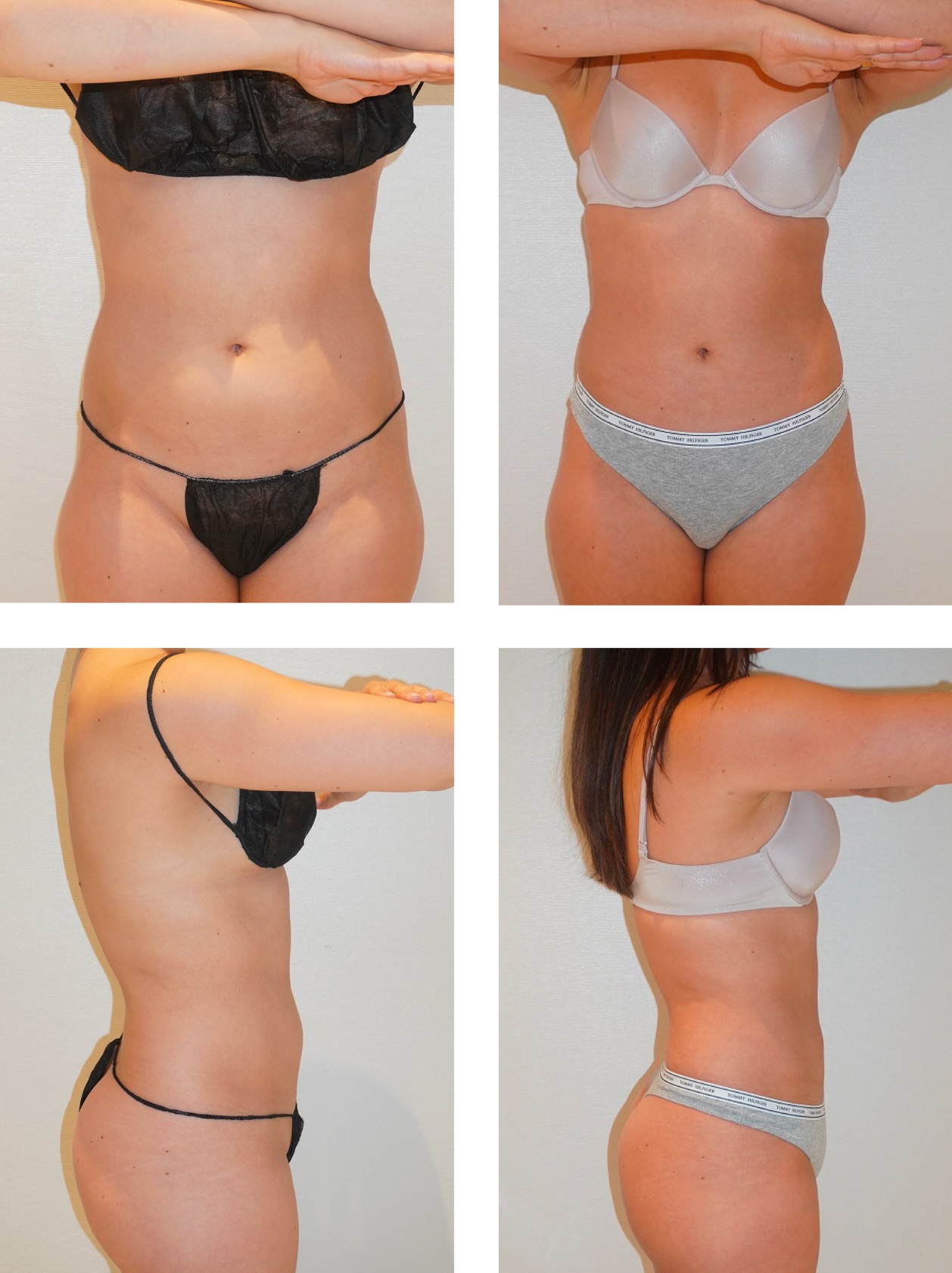
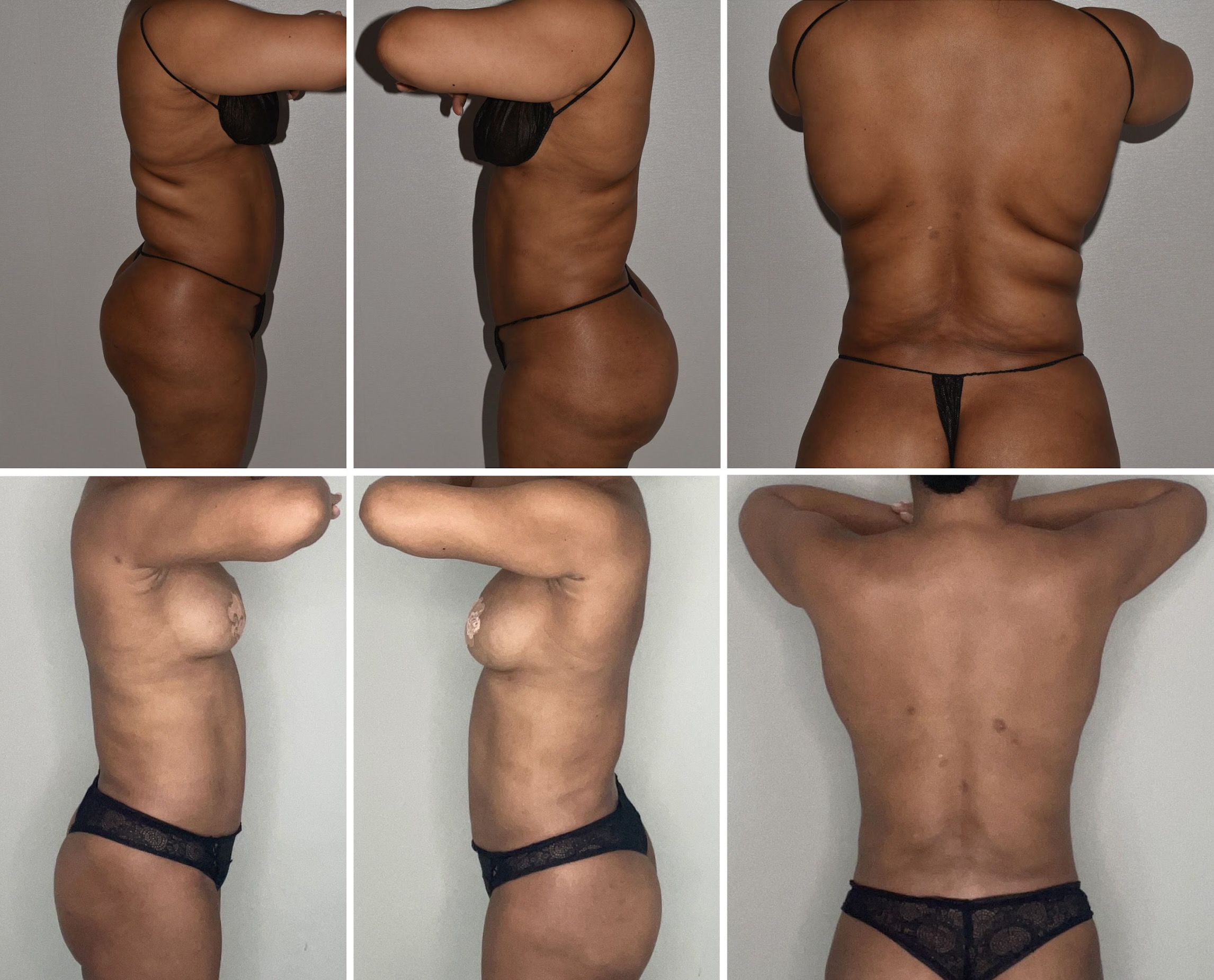
BEFORE & AFTER PHOTOGRAPHS

Abdomen, Waist, and Lipo 360 gallery

Explore photographs from our abdomen, waist, and lipo 360 gallery. Individual results vary.

Explore the complete abdomen, waist, and lipo 360 gallery

Discuss your goals and the treatment options for your anatomy with Dr. Darren M. Smith at a consultation in New York City.

Contouring your torso.

Lipo360 is a comprehensive liposuction procedure that targets multiple areas on the front, back and sides of your midsection, providing a full 360-degree approach to body contouring. The term "Lipo360" refers to the fact that the treatment involves performing liposuction around the entire circumference of your torso, addressing fat deposits from every angle for optimal sculpting results. The areas that are frequently included in a Lipo360 treatment planare the stomach, the waist (also sometimes called the flanks or "love handles"), the upper back, the lower back, and the stubborn fat that often accumulatesunder the arms and may hang over a bathing suit or a bra strap.

What Lipo 360 means.

Clear communication is very important for good results in plastic surgery. When the doctor knows what the patient wants, they can help the patient achieve their goals most effectively.
However, the term "Lipo360" can sometimes lead to confusion and misunderstandings between patients and their surgeons. Because it is a catch-all term that encompasses many different body areas, it can oversimplify the conversation and lead to vague or unclear communication about the specific concerns and desired outcomes for each individual. Rather than relying solely on a general term like "Lipo360" during the consultation and planning process, Dr. Smith believes in taking a more personalized and thorough approach. He carefully assesses each area of the body that may be included in the procedure, creating a customized treatment plan that addresses the unique needs and goals of each patient.
Starting with the abdomen, Dr. Smith evaluates the amount of excess fat present and determines whether any additional procedures for skin tightening may be necessary. He then moves on to the next potential treatment area, such as the waist, and develops a tailored surgical plan for that specific region. This step-by-step process is repeated for every part of the torso that may be included in the procedure, always considering how each area relates to the others in order to create a proportional and harmonious final result. Because "Lipo360" is a general term rather than one defined operation, Dr. Smith sets out in writing exactly which areas your own plan covers. To illustrate the distinct areas that a Lipo360 procedure could involve, see the following diagram: the stomach (marked in yellow), the waist (blue), the area around the armpits or "axillae" (red), and the back (green).

Your surgical approach.

Lipo360 with Dr. Smith begins with an in-depth consultation. During this meeting, you will have the opportunity to discuss your concerns, ask questions, and work with Dr. Smith to develop a fully customized treatment plan that outlines the specific areas to be addressed with liposuction. Advanced 3D imaging technology may be utilized to help you visualize your potential results and make informed decisions about your procedure. To ensure clear documentation of your starting point, a series of preoperative photographs will be taken. This important step takes place in one of our private, well-appointed examination rooms, designed with your comfort and privacy in mind.
On the day of your Lipo360 procedure, you will be welcomed into Dr. Smith’s QUAD A accredited in-office outpatient surgical suite in the Ritz Tower at 111 East 57th Street. Our attentive staff will help you get settled and comfortable as you prepare for your surgery. Once you are on our specialized, heated operating table, the anesthesia process will begin. For more extensive liposuction procedures like Lipo360, which involve treating multiple areas, Dr. Smith typically recommends either intravenous (IV) sedation or general anesthesia rather than local anesthesia. These options provide a greater level of comfort and relaxation throughout the surgery. Anesthesia is administered by board-certified anesthesiologists only. IV sedation, often referred to as "twilight anesthesia" or "conscious sedation," is similar to the type of anesthesia used during a colonoscopy. With this approach, you will drift in and out of a sleep-like state, remaining comfortable and relaxed while still breathing on your own. Alternatively, if you prefer to be completely unconscious during the procedure, general anesthesia can be administered, allowing you to sleep deeply while a breathing tube assists with ventilation. Once you are adequately anesthetized, Dr. Smith will begin the Lipo360 procedure by making very small, carefully concealed incisions in the treatment areas. These incisions, each measuring less than the size of a pen cap, serve as access points for the infiltration of the tumescent anesthetic solution, which helps to numb the tissues, minimize bleeding, and facilitate the fat removal process. After allowing time for the tumescent solution to take effect, Dr. Smith will perform any necessary skin or deep tissue tightening procedures, such as BodyTite. He uses VASER in virtually every liposuction case, and it is non-negotiable in the flanks, which every Lipo 360 includes, because flank tissue is naturally fibrous. The ultrasound energy loosens the fat from the connective tissue holding it before anything is suctioned, which reduces blood loss and tightens the deeper tissue for a cleaner contour. He also likes to use it in men, whose connective tissue tends to be tougher and can impede liposuction. BodyTite can support skin retraction and refine the contour, though how much the skin retracts depends on your age, skin quality, and the volume removed. With the tissues prepared, Dr. Smith will then use thin, specially designed instruments called cannulas to gently suction out the unwanted fat cells from each targeted area. Throughout the procedure, you may be carefully repositioned to allow access to all of the planned treatment regions. As the procedure concludes, Dr. Smith will carefully close the incisions and apply a supportive compression garment to help minimize swelling, promote optimal healing, and maintain your new, sculpted contours. A series of "before and after" photos will be taken to document your initial results, which will continue to improve over the coming weeks and months as your body recovers.

Combining Lipo 360 with a BBL.

For patients seeking a more dramatic transformation, Lipo360 can be combined with a Brazilian Butt Lift (BBL) procedure to enhance the contours of the buttocks in addition to the circumferential sculpting of the torso. During a Lipo360 + BBL procedure, the excess fat removed from the targeted areas of the midsection is carefully purified and strategically injected into the buttocks to add volume, improve shape, and create a more lifted, rounded appearance. The fat transfer process involved in a BBL is performed using thin cannulas, similar to those used for liposuction, which are inserted through very small incisions in the buttocks. Dr. Smith’s technique allows for precise control over the placement and distribution of the transferred fat. How much of the grafted fat survives varies from patient to patient, and final volume is judged at about six months. The combination of Lipo360 and a Brazilian Butt Lift is a powerful approach to total body transformation, offering dramatic improvements in both the contours of the midsection and the shape and projection of the buttocks. By addressing multiple areas in a single procedure, patients can achieve their ideal figure with a more comprehensive, harmonious outcome.

Is Lipo 360 right for you?

The best candidates for Lipo360 are individuals who are in good overall health, do not smoke, and are at or near their target body weight. Ideal patients should have good skin elasticity and minimal skin laxity to ensure optimal results and smoother contours following the procedure. In addition to these physical characteristics, it is important for prospective Lipo360 patients to have realistic expectations and a positive outlook on the recovery process. A commitment to maintaining a healthy lifestyle, including a balanced diet and regular exercise routine, is essential for enjoying long-lasting results and making the most of your investment in yourself.
Dr. Darren Smith is one of Manhattan’s experienced Lipo 360 surgeons. He is board-certified by the American Board of Plastic Surgery and completed advanced training in aesthetic surgery at Manhattan Eye, Ear and Throat Hospital, as well as a fellowship in craniofacial surgery at the Hospital for Sick Children in Toronto. With over 15 years of experience in cosmetic surgery, he has a detailed working knowledge of body contouring procedures. He approaches each case with close attention to detail, taking the time to understand the individual needs, goals, and anatomical characteristics of each patient, and tailors the surgical plan to that person’s own proportions. His care is personal and considers the whole patient, not just the treated areas. Results vary from patient to patient.

Lipo 360 cost.

The cost of a Lipo360 procedure can vary significantly based on a number of factors, and it's important for patients to understand that the term "Lipo360" alone does not provide a clear indication of the specific areas that will be treated or the extent of the surgery, which can make it challenging to provide an accurate price estimate without a personalized consultation. In New York City, the experience and reputation of the surgeon, as well as the geographic location of the practice, can greatly influence the overall cost of a Lipo360 procedure. Additional factors that contribute to the final price include the qualifications of the support staff, the accreditation and amenities of the surgical facility, and the use of advanced technology or specialized equipment.

Your recovery.

Recovery after Lipo 360 is staged over several weeks. Patients are up and walking the day of surgery, most return to desk work in about 48 hours, and the time to recover before each activity resumes depends on how much work was done and on how you are healing. Light activity resumes at one week and full activity, including exercise, at two weeks. Compression is worn for four weeks after liposuction. Follow-up visits are scheduled the next morning and at 1 week, 2 weeks, 1 month, 3 months, 6 months and 1 year.
During the recovery process, patients can expect to feel some degree of soreness, similar to the sensation experienced after a strenuous workout. However, significant pain is uncommon, and most patients find the discomfort to be very manageable with prescribed medication and rest. Immediately following the Lipo360 procedure, patients are encouraged to stand up and walk around, as this gentle movement helps to promote circulation and prevent complications. Light walking is recommended in the days following surgery, and patients can generally resume light activity and gentle exercise about one week after their procedure. Dr. Smith typically advises patients to wait about 2 weeks before returning to their full exercise routines, allowing ample time for the body to heal and adjust to its new contours. While some early improvements are visible within a few weeks, the final results of a Lipo360 procedure continue to develop over several months as the body recovers and settles into its new shape.

Caring for yourself after surgery.

To help ensure a smooth recovery and optimal results following a Lipo360 procedure, Dr. Smith provides his NYC patients with personalized post-operative care instructions. While each patient’s recovery is different and may require specific guidance based on their individual needs and treatment plan, there are several general tips that can benefit most Lipo360 patients:
  • Begin walking and engaging in light movement as soon as possible after the procedure to encourage circulation and reduce the risk of complications
  • Take frequent, short walks in the days following surgery, gradually increasing the duration and intensity as your comfort level improves
  • Wear your compression garment as directed by Dr. Smith, which is 4 weeks after liposuction
  • Minimize your intake of salt and alcohol in the weeks following your Lipo360 procedure to help reduce swelling and promote faster recovery
  • Adopt a healthy diet and exercise routine to maintain your results and support your body's healing process
  • Follow all post-operative instructions provided by Dr. Smith and his team, and attend your scheduled follow-up appointments to ensure your recovery stays on track

Care and safety.

Lipo 360 is surgery. The risks below are real, they are discussed at consultation, and they are the reason the case is planned the way it is.

Bruising, swelling and numbness are expected rather than complications. Numbness over treated areas is common in the first weeks and resolves as small sensory nerves recover. Swelling is the reason the final contour is not visible for months.

Contour irregularity and asymmetry are the risks specific to body contouring. No two sides of a body are identical before surgery and they are not identical after it. Irregularity is more likely where skin quality is poor, where the patient has had prior liposuction, and where a large volume is removed from a small area.

Skin laxity is the limit of what fat removal can do. Liposuction takes out fat. It does not tighten a skin envelope that has lost its elastic recoil. When the skin will not retract, the honest answer is either a skin-removing operation or radiofrequency tightening in the same setting, and which one is a judgment made on examination.

Fluid collection, or seroma, can develop under the treated area and may need drainage in the office.

Infection is uncommon and is treated with antibiotics when it occurs.

Blood clots in the legs, and clots that travel to the lung, are the serious risks of any body contouring operation. Risk assessment happens before surgery, not after, and it is one of the reasons the practice requires that weight be stable for three months and that nicotine in any form stop four weeks before surgery and four weeks after. The practice tests for nicotine. Blood thinners and supplements stop ten days before, with the timing of any prescribed blood thinner decided by the physician who prescribed it.

Because ultrasound and radiofrequency deliver energy into tissue, thermal injury is a risk specific to energy-assisted liposuction. It is managed by the temperature control built into the devices and by the surgeon's technique.

In rare cases, revision is necessary. Dr. Smith's revision policy is one year with no surgeon's fee; the patient remains responsible for the anesthesia and facility fees.

Surgery takes place in the practice's own QUAD A accredited operating room with a board-certified anesthesiologist present.

Compression is worn for four weeks after liposuction.

Your questions about Lipo 360.

What is the difference between Lipo360 and a tummy tuck?

Lipo360 is a liposuction procedure that specifically targets fat deposits in multiple areas of the midsection, including the abdomen, waist, back, and surrounding regions, to create a more contoured and proportional silhouette. In contrast, a tummy tuck, or abdominoplasty, is a surgical procedure that focuses on removing excess skin and fat from the abdominal area while also repairing and tightening the underlying abdominal muscles. While Lipo360 primarily addresses fat reduction, a tummy tuck is better suited for patients with loose, sagging skin and muscle weakness or separation, often resulting from significant weight loss or pregnancy. At your consultation, Dr. Smith will determine which procedure, or combination of procedures, best addresses your concerns and goals.

Does Lipo360 remove as much fat as traditional liposuction?

Lipo360 is not a specific type of liposuction but rather a term used to describe a comprehensive approach to liposuction that targets multiple areas of the midsection. The amount of fat removed during a Lipo360 procedure can be equivalent to that removed during traditional liposuction, since the treatment is customized to the level of fat reduction planned for each targeted area. Various liposuction techniques and technologies, such as tumescent liposuction, VASER ultrasound-assisted liposuction, power-assisted liposuction, and BodyTite, can be used during a Lipo360 procedure to refine the result. Dr. Smith uses VASER in virtually every liposuction case, and always across the flanks, where the tissue is naturally fibrous.

What areas of the body can be treated with Lipo360?

While the term "Lipo360" specifically refers to the treatment of the midsection, including the abdomen, waist, and back, Dr. Smith can combine this approach with liposuction in other areas of the body. At your consultation, tell him about any concerns regarding fat reduction in regions such as the arms, thighs, knees, or chin, and he will develop a treatment plan covering those areas, in a single procedure where that is safe to do.

Is Lipo360 less invasive than a tummy tuck?

Yes, Lipo360 is generally considered less invasive than a full tummy tuck, as it involves smaller incisions and typically requires a shorter recovery period. While both procedures are usually performed under some form of anesthesia, Lipo360 patients often experience less discomfort and are able to return to normal activities more quickly than those undergoing a tummy tuck. Dr. Smith will determine which procedure, or combination of techniques, suits your anatomy and your goals, since the right approach varies from patient to patient.

How long do Lipo360 results last?

The fat cells removed during a Lipo360 procedure are permanently eliminated from the body, making the results of the treatment long-lasting. However, it's crucial for patients to maintain a stable weight and healthy lifestyle following their procedure to ensure the best possible long-term outcome. While the removed fat cells will not return, the remaining fat cells in the treated areas can still expand if the patient gains a significant amount of weight in the future. Additionally, factors such as aging, hormonal changes, and pregnancy can impact the results over time. By adopting a balanced diet, regular exercise routine, and good self-care habits, patients can help to preserve their newly sculpted contours for many years to come.
What are the requirements to be a candidate for Lipo 360?

Lipo 360 candidates need to meet five requirements: good general health, nonsmoker status (or willingness to stop well before surgery), a weight at or close to goal that has been stable, skin with enough elasticity to retract over the abdomen, flanks and back, and realistic expectations about contouring versus weight loss. The typical patient has excess fat across the abdomen, love handles, lower back and bra line that has not responded to diet and exercise.

Two things change the plan. Loose or stretched abdominal skin points toward a tummy tuck instead of, or in addition to, liposuction, and a high BMI or certain medical conditions limit how much fat can safely be removed in one session. Dr. Smith assesses skin quality, fat distribution and health history at consultation, often with 3D imaging, before confirming that Lipo 360 is the right operation.

How long does Lipo 360 take?

Lipo 360 surgery itself takes about three hours. Plan on roughly an hour before surgery for check-in and anesthesia preparation, at least an hour in the recovery room afterward, and about 30 minutes of admission and discharge paperwork, so a full surgery day runs five to six hours. The abdomen, each flank and the back are treated in turn with careful repositioning between zones, which is why a circumferential procedure takes longer than a single-area liposuction.

Operative time rises with the number of zones treated, the volume of fat removed, the addition of skin tightening such as BodyTite, and general anesthesia rather than sedation. You cannot drive for 24 hours afterward and need an adult to take you home and stay with you the first night.

Is Lipo 360 done in one session or staged?

Lipo 360 is almost always done in a single session, because treating the whole midsection at once is what gives a continuous, balanced contour and means one anesthetic and one recovery. Dr. Smith stages the procedure only when the total fat volume would exceed safe outpatient limits, when additional areas such as arms or thighs are requested on top of the torso, or when a medical condition makes a shorter anesthetic preferable. In those cases the front and back of the torso, or the torso and the extra areas, are separated into two sessions several weeks apart.

What anesthesia is used for Lipo 360?

Dr. Smith usually performs Lipo 360 under IV sedation or general anesthesia, because multiple zones are treated over about three hours and you are turned during the procedure. Tumescent local anesthetic is infiltrated into every treated area regardless, which numbs the tissue, limits bleeding and reduces pain for hours afterward. The choice between sedation and general anesthesia depends on the volume planned, your medical history and your preference, and it is made with the anesthesia team before surgery. Either way, expect to feel groggy for the rest of the day and to spend at least an hour under observation before going home.

How much fat can be removed with Lipo 360?

Lipo 360 typically removes between two and five liters of fat, with the upper end reserved for larger patients treated in an accredited facility with appropriate monitoring. The actual amount is set by three factors: how the fat is distributed (more can be taken from an area that has more), skin elasticity (poor elasticity calls for more conservative removal to avoid sagging), and health and BMI (higher BMI or medical conditions cap the safe volume).

Volume is not the measure of success. Removing the right fat from the right layer across the whole circumference produces a better shape than maximizing liters, and Lipo 360 remains a contouring procedure rather than a weight-loss treatment. Patients with a lot of fat to lose get a better result by losing weight first and using Lipo 360 to finish.

Lipo 360 vs. tummy tuck: which do I need?

Lipo 360 is the right choice when the problem is fat and the skin is firm; a tummy tuck is the right choice when the abdominal skin is loose or the abdominal muscles have separated, which liposuction cannot correct. Lipo 360 treats the full circumference through pen-cap-sized incisions with a one- to two-week recovery, while a tummy tuck removes skin and repairs muscle through a hip-to-hip incision with a four- to six-week recovery. Many patients after pregnancy or weight loss need both, and Dr. Smith will show you at consultation which component is driving your shape.

Can you get a tummy tuck and Lipo 360 at the same time?

Yes. A tummy tuck and Lipo 360 are routinely combined in one operation for patients who have both loose abdominal skin and fat around the whole midsection. The tummy tuck removes skin and tightens the abdominal wall; the liposuction contours the flanks, hips and back so the waist narrows from every angle rather than only from the front. Combined surgery is done under general anesthesia and takes several hours.

Recovery after a tummy tuck combined with Lipo 360 is longer than after either procedure on its own: most patients return to desk work in about two weeks and resume full activity at four to six weeks, with compression worn for 4 weeks. Candidates should be at a stable weight, in good health and nonsmokers, since the combination adds operative time and demands more of the tissue’s blood supply.

What is an extended tummy tuck with Lipo 360?

An extended tummy tuck with Lipo 360 pairs a longer abdominoplasty incision, which continues past the hips toward the back to remove skin from the flanks as well as the abdomen, with circumferential liposuction of the waist, hips and lower back. It is designed for patients after major weight loss or multiple pregnancies whose loose skin wraps around the sides, where a standard tummy tuck would leave a step-off.

Under general anesthesia, Dr. Smith repairs stretched or separated abdominal muscles, performs the liposuction, removes excess skin above and below the navel, repositions the navel and closes over drains if needed. Expect two to three weeks off work, several months for swelling to settle and up to a year for the final result; results last as long as weight stays stable.

What is Lipo 360 with BBL?

Lipo 360 with BBL uses the fat removed from the abdomen, waist, flanks and back to enhance the buttocks in the same operation. After liposuction the fat is purified and grafted into the buttocks in layers to add volume and lift, so the waist narrows and the hips and buttocks fill out at once, which is what creates the hourglass proportion patients ask for. Candidates need enough donor fat, good skin elasticity and a stable weight.

Recovery adds one important rule to standard Lipo 360 aftercare: no direct pressure on the buttocks for several weeks, which means sleeping on the stomach or side and using a cushion to sit. Both the removed fat and the fat that survives grafting are permanent, and final volume is judged at about six months once swelling resolves.

What is the recovery timeline after Lipo 360?

Most Lipo 360 patients are walking the day of surgery, back at a desk in about 48 hours, and cleared for full exercise at about two weeks, with compression worn for 4 weeks. The first two days feel like intense post-workout soreness, managed with prescribed medication. Light activity and gentle exercise resume at one week. Swelling continues to fall for months, so the contour keeps improving well after you have returned to normal life. Our Lipo 360 recovery guide gives a day-by-day account and covers swelling and diet.

How much does Lipo 360 cost in NYC?

Lipo 360 starts at $20,000 in our practice. The final quote depends on the number of zones treated, the volume planned, whether skin tightening such as BodyTite is added, and the type of anesthesia. The written quote you receive at consultation is itemized into the surgeon’s fee, the facility fee and the anesthesia fee, and all post-operative visits are included. Financing is available through CareCredit and Alphaeon Credit.

Start with a consultation.

Dr. Smith sees Lipo 360 patients in consultation at his Manhattan office, and that visit is where the plan is made. He is board-certified by the American Board of Plastic Surgery and one of Manhattan's most experienced surgeons in circumferential body contouring. He assesses each patient's anatomy, skin quality and goals, explains what Lipo 360 can and cannot do in that case, and describes the technique he would use and the recovery involved.
To discuss whether Lipo 360 fits your goals, request a consultation with Dr. Smith at his Manhattan office. He examines the areas you want treated, explains what the operation can and cannot do in your case, and goes through the technique he would use, the recovery involved and an itemized quote before anything is scheduled. The consultation fee is $500 and is applied toward any procedure.

Published work in body contouring

Dr. Smith’s published work includes radiofrequency-assisted liposuction and the role of energy-based devices in male body contouring. These publications offer background on his research interests; the appropriate technique depends on an individual consultation.

Hurwitz D, Smith DM. Treatment of overweight patients by radiofrequency-assisted liposuction (RFAL) for aesthetic reshaping and skin tightening. Aesthetic Plastic Surgery. 2012;36(1):62–71.

Smith DM. The Role of Energy-Based Devices in Male Body Contouring. Clinics in Plastic Surgery. 2022;49(2):329–337.

Planning beyond the procedure

Your follow-up care.

Follow-up visits are scheduled the next morning, then at 1 week, 2 weeks, 1 month, 3 months, 6 months and 1 year. That is the minimum schedule, and patients are seen as often as they want beyond it. Dr. Smith leads post-operative care. He and the practice's physician assistant see post-operative patients together, and he is present for every major visit.

Revision surgery within one year of the original procedure carries no surgeon's fee. The patient remains responsible for the anesthesia and facility fees. Whether a revision is appropriate is discussed at these follow-up visits.

Selected cases

No items found.

Individual results may vary.

Explore all before & after galleries

Patient perspectives

Explore patient reviews using the links below.

Individual experiences and results vary.

Explore all patient reviews

A closer look

Explore patient reviews using the links below.

Individual experiences and results vary.

Explore all patient video stories