
Laser Skin Resurfacing in NYC
Beyond Traditional Skincare: Exploring High-Tech Solutions for Skin Imperfections
Are wrinkles, scars, or an uneven skin tone impacting your confidence? Discover the rejuvenating benefits of laser skin resurfacing.
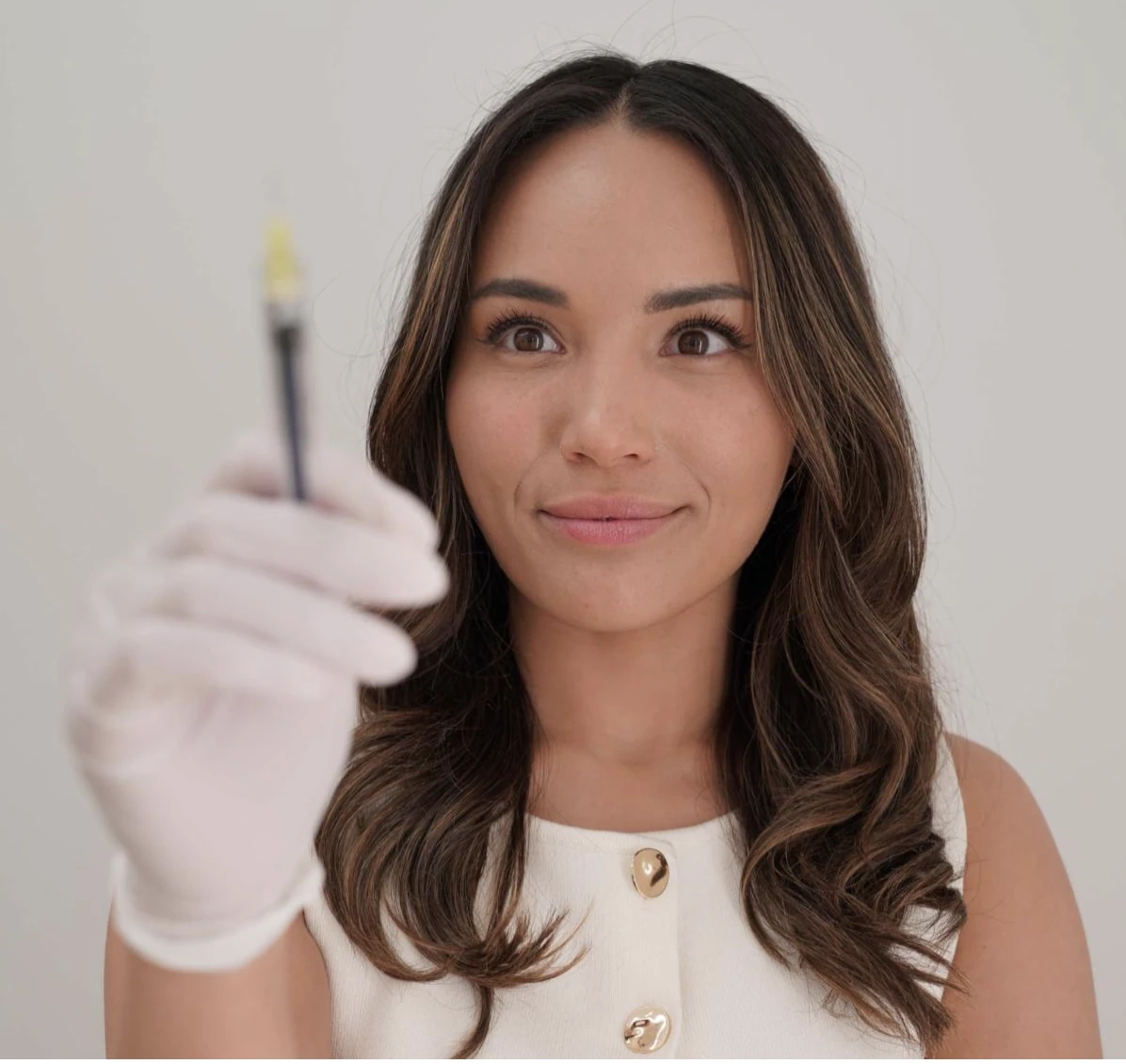
This efficient, non-invasive procedure, performed by Leah Corredora, PA-C, offers a path to revitalized, youthful-looking skin.
Say goodbye to imperfections and welcome a smoother, more radiant complexion with this advanced skin solution.
What is Laser Skin Resurfacing?
Laser skin resurfacing is an innovative treatment designed to dramatically reduce visible skin concerns such as fine lines, wrinkles, scars, and various forms of hyperpigmentation.
This technique uses concentrated light pulses to gently remove the outer skin layers, paving the way for the emergence of new, healthy skin that is evenly toned and textured.
Revitalize Your Skin with Laser Skin Resurfacing
Uneven skin tone has many causes, among them sun exposure, blemishes and scars. Laser skin resurfacing treats uneven tone and texture by removing damaged surface layers and prompting the skin to remodel.
This advanced treatment effectively addresses a range of concerns, leaving your skin rejuvenated and radiant. Here’s how laser skin resurfacing can help you:
- Smooths Fine Lines and Wrinkles: Diminishes signs of aging for a more youthful appearance.
- Reduces Excess Facial Hair: Offers a solution for unwanted facial hair, contributing to smoother skin.
- Repairs Sun Damage: Reverses the effects of sun exposure, restoring your skin’s natural beauty.
- Minimizes Stretch Marks: Improves skin texture, making stretch marks less noticeable.
- Heals Acne and Surgical Scars: Smoothens and reduces the visibility of scars for clearer skin.
- Eliminates Spider Veins: Targets and reduces spider veins, enhancing skin clarity.
- Lightens Freckles: Evens out skin tone by reducing freckle visibility.
- Fades Age Spots and Sun Spots: Diminishes dark spots, leading to a more uniform skin tone.
- Soothes Rosacea: Reduces redness and symptoms of rosacea, promoting an even complexion.
- Refines Uneven Skin Texture: Enhances overall skin texture for a smoother, revitalized feel.
- Shrinks Enlarged Pores: Helps in reducing pore size for a smoother, more refined skin appearance.
Personalized Laser Skin Resurfacing
Personalized Care at Our Manhattan Clinic
Leah Corredora, PA-C performs medical aesthetics laser resurfacing at the practice. Each treatment is planned around the individual patient. At our Upper East Side Manhattan clinic, we prioritize your comfort.
Advanced Laser Technology for Optimal Results
Your clinician’s approach is meticulous, utilizing a broad spectrum of the latest and most effective laser technologies. This ensures that each treatment is precisely tailored to your skin’s unique needs, aiming for superior outcomes.
A Comfortable, Convenient Experience
The procedure, comfortably performed in our state-of-the-art clinic, is designed to be an outpatient experience. Depending on the treatment’s extent, it can range from a quick 30-minute session to a more comprehensive two-hour procedure. To ensure your utmost comfort, your clinician uses a mild topical anesthetic and a special protective gel on your skin.
What Should You Expect During Recovery After Laser Skin Resurfacing?
Following your laser skin resurfacing treatment, it’s common to experience some redness, swelling, and a sensation similar to a mild sunburn. These symptoms are a normal part of the healing process. If you feel any discomfort, it can typically be managed effectively with over-the-counter pain relievers.
The treated areas may remain pink or red as your skin undergoes its natural healing and rejuvenation process. Makeup can help conceal residual redness after at least 5 days, once the treated skin has healed and your treating clinician says it is ready. The recovery period is generally brief, often completed within two weeks, depending on the specifics of your treatment.
After healing, you’ll notice your skin looking smoother, fresher, and more youthful, with marked improvements in any previous discolorations and texture problems.
How Is the Right Laser Treatment Determined for Your Skin?
Your clinician chooses the laser and the settings after evaluating your skin at your consultation. Your clinician adjusts treatment to your skin type and to the concerns you want addressed.
The benefits of these treatments extend beyond immediate skin rejuvenation, as they stimulate natural collagen regeneration and tighten existing fibers, enhancing skin elasticity and firmness for long-term health.
Your clinician matches the technique to your skin type and tone. Laser resurfacing improves texture and tone, but it does not stop aging, and the result is held with sun protection, skin care and repeat treatment over time.
Is Laser Skin Resurfacing a Good Option for Me?
Resurfacing lasers are FDA-cleared devices, which is not the same as FDA-approved. Cleared means the manufacturer showed the device is substantially equivalent to one already on the market. Approved means a new safety and effectiveness review. Whether resurfacing suits you depends on your skin, your health and how much recovery time you can give the process:
- Health Status: Treatment is for adults in general good health. It is not performed during pregnancy or breastfeeding. The practice requires no nicotine in any form for 4 weeks before and after treatment, and it tests for nicotine, because nicotine impairs healing in skin that has just been resurfaced.
- Specific Skin Conditions: The procedure is particularly effective for treating sun spots, wrinkles around the mouth and eyes, chicken pox or acne scars, and uneven pigmentation. However, it’s less effective for stretch marks.
- Skin Type Considerations: Every resurfacing laser carries a risk of pigment change after treatment, and that risk is higher in deeper skin tones. Settings are chosen conservatively for that reason, and the discussion happens before treatment rather than after.
- Current Skin Issues: Active acne, an active skin infection such as a cold sore, and open or broken skin in the treatment area all have to be settled before resurfacing. Recent isotretinoin, a tendency to keloid scarring, immunosuppression, a bleeding disorder or ongoing anticoagulation, radiation to the area, and recently tanned skin each change whether and how treatment can proceed.
- Realistic Expectations: Candidates should have a positive outlook with realistic expectations about the results.
Recovery and Aftercare
After undergoing laser skin resurfacing with your clinician, it’s crucial to follow these aftercare instructions to ensure optimal healing and results:
- Minimize Sun Exposure: Post-treatment, your skin will be more sensitive to sunlight. Avoid direct sun exposure for at least 1–2 months and always use sunscreen when outdoors.
- Stay Hydrated: Keeping your body and skin hydrated is key to promoting healthy healing.
- Refrain from Makeup: Avoid using makeup for at least 5 days after the treatment, and longer if the treated skin has not healed or your treating clinician advises it. Resume only when the skin has healed and your clinician says it is ready. If makeup is needed after that, use new makeup to minimize infection risk.
- Limit Physical Activity: Postpone strenuous exercises for 2–3 days following your treatment.
- Regular Cleaning: Gently clean the treated area several times a day with a solution recommended by your clinician.
- Use Protective Ointments: Apply any ointments or topical treatments as directed by your clinician to aid in the healing process.
- Avoid Nicotine: The practice requires no nicotine in any form for four weeks before and four weeks after laser skin resurfacing. Follow your clinician’s instructions for your treatment.
Always adhere to the specific care instructions provided by your clinician. If you experience severe or prolonged pain or notice unusual redness and swelling, contact your clinician immediately to ensure these are not signs of complications.
Can Laser Skin Resurfacing Be Paired with Other Treatments?
The team can arrange a surgical assessment with Dr. Smith when appropriate. A treatment plan may combine laser skin resurfacing with a facelift, neck lift, blepharoplasty or brow lift, so the skin surface and the underlying structure are addressed in one plan.
Laser Skin Resurfacing with Leah Corredora, PA-C
Discover the benefits of laser skin resurfacing with Leah Corredora, PA-C, located at the prestigious Ritz Tower in Manhattan, New York. Our expert team is dedicated to helping you achieve smoother, younger, and more vibrant skin.
For more information, use our main inquiry form and specify “medical aesthetics” in the Subject field, or call 212.633.0627. Medical aesthetics consultations are with Leah Corredora, PA-C.
Contact us to discuss whether laser skin resurfacing suits your skin.
FAQs about Laser Skin Resurfacing
Here Dr. Smith answers some of the most commonly asked questions about laser skin resurfacing:
How Long Do Results from Laser Skin Resurfacing Last?
How long results last varies with the depth of treatment, the condition being treated and how the skin is looked after afterward. Resurfacing does not stop the skin aging, so the change is not permanent. Daily sun protection is the single thing most within your control, and it does more than anything else to hold the result.
Is Laser Skin Resurfacing Safe?
Laser skin resurfacing carries real risk, and how much depends on how deep the treatment goes. Known risks include prolonged redness, swelling, crusting while the skin heals, pigment change in either direction, reactivation of herpes simplex, infection, burns and, rarely, scarring. Those risks are managed by screening before treatment, by matching the depth of treatment to the skin being treated, and by strict sun protection and aftercare. Tell your clinician about any cold sore history, any isotretinoin in the past year, any keloid scarring, any immune condition or immunosuppressive medication, any blood thinner, any recent tanning, and any possibility of pregnancy before treatment is planned.
How Much Does Laser Skin Resurfacing Cost?
The fee depends on the size of the treatment area, the laser technology used, and the number of sessions in your plan. Pricing for your plan is confirmed at your consultation. Financing is available through CareCredit and Alphaeon Credit.
Is Laser Skin Treatment Covered by Insurance?
Dr. Smith’s practice is out of network with all insurance plans. Laser skin resurfacing is usually considered cosmetic and is not typically covered. If your plan offers out-of-network benefits for a medical or reconstructive indication, such as scar revision, our team will work with you to help you use them toward your care.
What Areas Can Be Treated with Laser Skin Resurfacing?
Laser skin resurfacing is versatile and can be applied to various body parts. Commonly treated areas include the face, neck, chest, and hands. It’s also effective for acne scars on the back.
When Can I Wear Makeup After Laser Skin Resurfacing?
Avoid makeup for at least 5 days following treatment, and longer if the treated skin has not healed or your treating clinician advises it. Once the skin has healed and your clinician says it is ready, new makeup, especially mineral makeup, can be used to cover any redness.
How Soon Will I See Results from Laser Skin Resurfacing?
Initial improvements are often visible right after the healing phase. However, the skin continues to improve over the next 3 to 6 months as it rejuvenates.
Is Laser Skin Resurfacing Painful?
You may feel some discomfort during the procedure, which is typically managed with topical numbing creams. Temporary stinging or swelling can occur after treatment.
How Many Laser Skin Resurfacing Treatments Will I Need?
It depends on which laser is used and how deep the treatment goes. CoolPeel, the light CO2 treatment the practice offers, is a series of three sessions about a month apart. Deeper resurfacing is usually a single session, because the depth of that one treatment does the work a series of light treatments would otherwise build up to. Your plan is set at consultation after your clinician examines your skin.
Explore CO₂ laser resurfacing options and discuss the appropriate treatment with your clinician.