
Breast Augmentation Recovery Day by Day
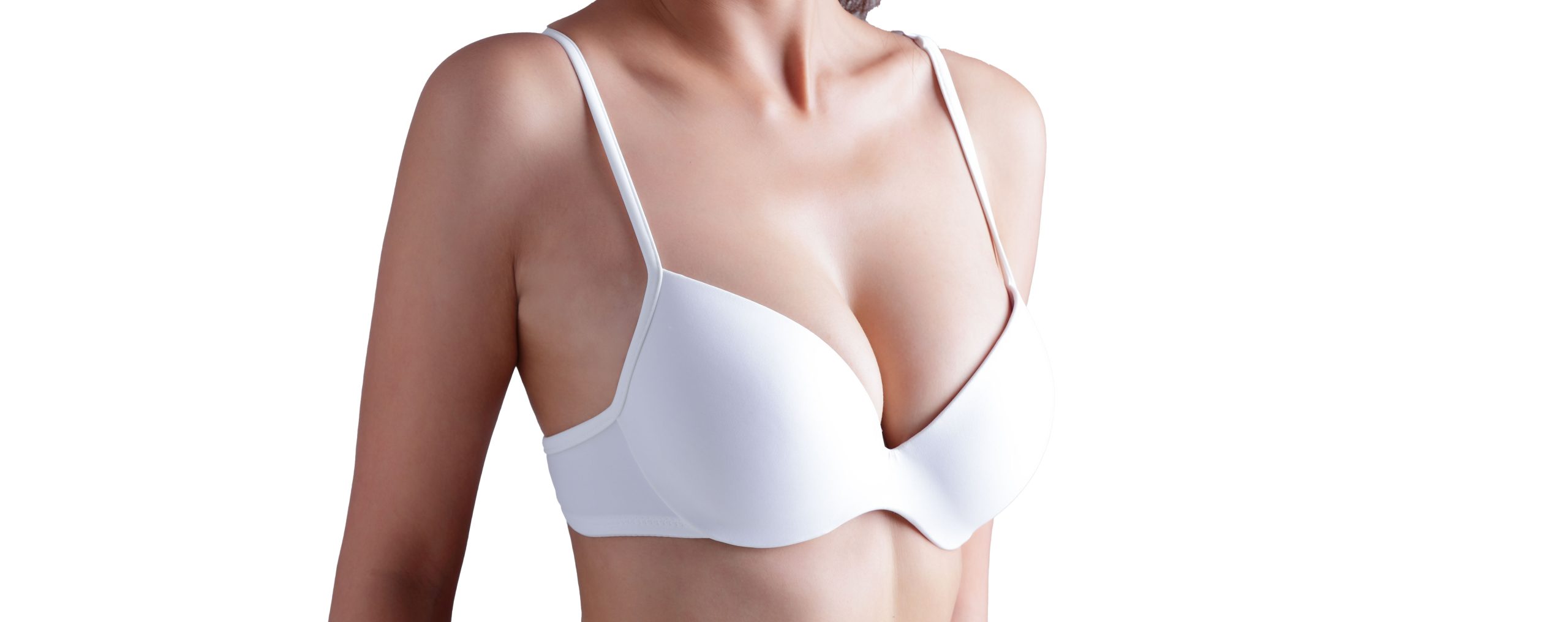
Breast implant surgery is performed under general anesthesia in most cases, meaning you’re asleep during the procedure. IV sedation is an option in selected cases, and the decision is made at consultation. Anesthesia is administered by a board-certified anesthesiologist in the practice’s QUAD A accredited operating room. Once the surgery is finished, you’ll begin to wake up in the recovery room. Tightness, pressure, and sore muscles in the chest are common, especially if your implants are placed under the pectoralis muscle. There is generally only moderate discomfort associated with this procedure.
In this guide
What to expect after surgery.
Knowing what to expect following breast augmentation surgery can help prepare you for the healing process.
Recovery after breast augmentation has separate milestones for returning to work and resuming exercise. This guide explains Dr. Smith’s usual instructions for conventional augmentation with implants under or over the muscle, Preservé augmentation, and augmentation with a breast lift. The timelines are planning guides; your individual instructions reflect your procedure and how you are healing.
How long recovery takes.
Without a breast lift, Dr. Smith generally plans a return to work at about 48 hours after conventional augmentation, whether the implants are under or over the muscle, and the next day after Preservé. With a breast lift, the usual work milestone is five days regardless of implant technique. Conventional augmentation uses the same exercise milestones for both implant positions; a lift has its own schedule. The demands of your job and your recovery can change the plan.
Your recovery timeline.
Immediately After Surgery
Breast implant surgery ends with time in the recovery room while the anesthetic wears off and the nursing team monitors your breathing, blood pressure and comfort. The first sensations are usually tightness, pressure and sore chest muscles, and they are more noticeable when the implants sit under the pectoralis muscle. Discomfort at this stage is generally moderate rather than severe. Dr. Smith does not use drains for breast augmentation, so there is nothing to empty or record once you are home.
You’ll go home the same day as your surgery, and you will need a trusted adult to pick you up after the procedure.
1-5 Days After Surgery
The next day your breasts will feel firm and tight. You will likely have swelling and bruising in your chest. Pain is usually managed by prescription painkillers. Dr. Smith does not use drains for breast augmentation. Without a lift, the usual work milestone is about 48 hours after conventional augmentation and the next day after Preservé. With a lift, it is five days regardless of implant technique. Timing depends on your recovery and job duties. It is necessary to wear your surgical bra for 2 weeks after the procedure, then a sports bra for the next 4 weeks. From about 6 weeks you can wear any bra or none.
What Is Normal in the First Few Days
During these first few days, tightness, mild to moderate discomfort, swelling, and bruising are all normal. All of these issues improve significantly each day, and are more significant with larger implants.
1 Week After Surgery
When you hit the one-week mark, the discomfort, swelling, and bruising should be significantly improved. Your breasts will still be firm and tight but will become slightly more rounded on the bottom.
Discomfort generally continues to improve. After Preservé without a lift, light lower-body exercise can begin at one week according to Dr. Smith’s instructions. After conventional augmentation or a breast lift, light lower-body and core exercise begin at two weeks, with light upper-body exercise at four weeks. Feeling comfortable does not by itself mean activity restrictions have ended.
2-3 Weeks After Surgery
Your breasts will still appear high, with exaggerated fullness in the upper pole, but will become softer and less compressed. Bruising should be gone by this point, and your implants will begin to drop into position over the following weeks. You may still have some soreness and swelling. Some patients experience sharp pains or itching during this period, which is normal.
At two weeks, conventional augmentation patients and patients having a breast lift can begin light lower-body and core exercise. Preservé patients without a lift can begin light upper-body and core exercise and resume unrestricted lower-body exercise. At four weeks, conventional augmentation and breast-lift patients can begin light upper-body exercise; Preservé patients without a lift can resume unrestricted upper-body and core exercise. After conventional augmentation or a breast lift, heavy lifting, running and full activity resume gradually from six weeks. Dr. Smith adjusts each step to your situation and recovery.
After 2 weeks in your surgical bra, switch to a sports bra for the next 4 weeks.
6 Weeks After Surgery
At six weeks after conventional augmentation or a breast lift, with or without implants, heavy lifting, running and full activity can resume gradually according to Dr. Smith’s instructions. After Preservé without a lift, the usual unrestricted upper-body and core milestone is four weeks. Your implants may still be settling and the tissues continue to heal even after exercise restrictions are lifted. From about six weeks, you can wear any bra or none as directed.
2 Months After Surgery
Around eight weeks, your breasts may feel softer as swelling continues to improve and the implants settle. This is not a new mandatory waiting period before exercise: the usual unrestricted upper-body and core milestone is six weeks after conventional augmentation or any breast lift, or four weeks after Preservé without a lift. Follow the individual instructions Dr. Smith gives you, because healing and the final appearance continue to evolve.
6 Months After Surgery
Your breasts will be softer to the touch and in their optimal position. It can take time for your breast implants to settle and all residual swelling to subside, but you should see your final results by now.
Some patients will continue to use scar creams or gels to help minimize the appearance of scarring.
Planning your recovery.
Here are a few of our most frequently asked questions about breast implant recovery times.
Returning to work.
Without a breast lift, most patients plan to return to work about 48 hours after conventional augmentation, with implants under or over the muscle, or the next day after Preservé. After a breast lift, with or without implants and regardless of technique, the usual work milestone is five days. Physically demanding duties may need a different plan. Dr. Smith tailors the timing to your job, your procedure and your recovery.
Scars and healing.
Dr. Smith uses techniques intended to keep scarring as limited as possible, but you can expect some scarring, as with any surgery. Scars fade over time but do not disappear. Of the three common incision locations for breast implant placement (in the fold under the breast, around the areola, and in the armpit), Dr. Smith prefers the inframammary approach through the fold in most patients. Scars placed in that position, underneath the breast, are generally well concealed.
Planning for the years ahead.
Breast implants are not lifetime devices. How long they last varies, and further surgery may be needed because of an implant problem or changes in the breasts over time. Follow-up care helps you review the condition of your implants and whether your goals have changed. Read more about breast implant options.
Some patients may also want to change the type of breast implant. For example, replace a saline implant with a silicone implant, or, if a patient is looking for a more natural look and feel, they may consider Gummy Bear Breast Implants.
Caring for yourself after surgery.
Dr. Smith shares the tips below with his patients to help recovery go smoothly.
- Wear your dressing and surgical bra following Dr. Smith’s instructions.
- Properly care for your incisions.
- Take your medications and use topical scar creams as instructed.
- Have someone at home to help you for the first 48 hours after surgery. You’ll need to rest when you’re back home in recovery.
- Wear comfortable, loose shirts.
- Avoid working out or intense activity until you have permission from Dr. Smith.
- Eat nutritious foods like fruits, veggies, and protein to help speed up the recovery process.
Your recovery questions.
How painful is breast augmentation recovery?
Most patients describe the pain as moderate for the first two to three days and mild after that. On a ten-point scale, many report a 3 or 4 in the first few days, falling to a 1 or 2 within two to three weeks. The discomfort is mostly tightness, pressure and sore chest muscles, with throbbing at the incisions that is worst in the first 48 hours, plus soreness when you raise your arms. Swelling peaks around days three to five and then recedes. Compared with a tummy tuck, breast augmentation is a relatively easy recovery, and Dr. Smith’s rapid recovery protocol is designed to keep it that way.
What makes recovery more painful for some patients?
Implants placed under the muscle, very large implants, smoking, revision surgery and doing too much too soon all increase discomfort. Submuscular placement stretches the pectoralis, so the muscle soreness lasts longer than with placement over the muscle. Larger implants stretch the skin and tissue more. Smoking reduces blood flow and slows healing. Revision cases involve more dissection through scar tissue. Skipping the surgical bra or medications, or returning to exercise early, increases swelling and pain. Pain tolerance also varies widely between individuals, so your experience may differ from a friend’s.
How can I manage the pain besides medication?
Cold, support, elevation and gentle movement all help. Apply cold compresses for 10 to 15 minutes at a time during the first three to four days to reduce swelling and soreness. Wear your surgical bra as instructed; it limits motion and tenderness. Sleep on your back with your head and shoulders raised on pillows, with pillows under your arms to take tension off the chest. Take short, frequent walks to prevent stiffness, but avoid lifting your arms overhead. Take prescribed medication on schedule rather than waiting for pain to build, drink plenty of fluids and eat fiber to offset constipation from pain medication, and keep incisions clean and dry.
Why do my breasts look so swollen and high right after surgery?
Because swelling and muscle tightness push the implants upward, breasts look larger, firmer and more squared-off than they will end up. Maximum swelling and hardness occur around days two and three. It is caused by the surgical incisions, the body’s inflammatory response to the implants, fluid collecting in the tissues and the stretch of the skin and muscle. Most of the initial swelling resolves by week three, the implants begin to drop into position over the following one to two months, and the final shape appears at around six months. Do not judge your size or shape in the first weeks.
How can I reduce swelling after breast augmentation?
Wear the surgical bra as directed, rest with your upper body elevated, use cold compresses in the first few days and avoid strenuous activity. Resting propped at roughly 30 to 45 degrees helps fluid drain. Take medications as prescribed, stay well hydrated and eat a diet of lean protein, fruit and vegetables. Follow Dr. Smith’s specific instructions rather than general advice online; his rapid recovery patients switch from the surgical bra to a sports bra at two weeks, which is shorter than the several weeks many general guides describe.
When can I sleep on my side after breast augmentation?
Side sleeping can resume two weeks after surgery. After conventional breast augmentation, with implants under or over the muscle, or a breast lift with or without implants, the Recovery Planner calls for avoiding side and stomach sleeping for the first two weeks. After that, follow Dr. Smith’s instructions before changing position, particularly if an incision remains tender or another procedure was performed. Preservé has its own recovery instructions; confirm your sleeping position with the practice.
When can I drive, exercise and swim after breast augmentation?
Work, light exercise and unrestricted exercise are different milestones. Dr. Smith uses the same conventional-augmentation schedule for implants under or over the muscle. Preservé without a lift has a separate schedule. If a breast lift is performed, its schedule applies with or without implants and regardless of implant technique. These usual milestones are adjusted to each patient’s situation and recovery:
| Activity | Usual timing in Dr. Smith’s practice |
|---|---|
| Return to work | Conventional without a lift, under or over the muscle: About 48 hours Preservé without a lift: Next day Breast lift, with or without implants: 5 days |
| Light lower-body exercise | Conventional without a lift, under or over the muscle: 2 weeks Preservé without a lift: 1 week Breast lift, with or without implants: 2 weeks |
| Light upper-body and core exercise | Conventional without a lift, under or over the muscle: Core: 2 weeks; upper body: 4 weeks Preservé without a lift: 2 weeks Breast lift, with or without implants: Core: 2 weeks; upper body: 4 weeks |
| Heavy lifting and running | Conventional without a lift, under or over the muscle: Gradually from 6 weeks Preservé without a lift: Lower-body exercise: 2 weeks; upper-body and core exercise: 4 weeks, with individual clearance. Breast lift, with or without implants: Gradually from 6 weeks |
| Unrestricted upper-body and core exercise | Conventional without a lift, under or over the muscle: 6 weeks Preservé without a lift: 4 weeks Breast lift, with or without implants: 6 weeks |
Driving requires being off prescription pain medication and comfortable controlling the car, including turning the steering wheel. Ask Dr. Smith for individual instructions about swimming, contact sports, sexual activity and physically demanding work. Do not submerge incisions until he clears you. If augmentation is combined with a lift or another operation, follow the recovery plan for the combined procedure.
What warning signs should I watch for during recovery?
Call the practice right away for fever, spreading redness or warmth around an incision, pus-like drainage, bleeding, a breast that suddenly becomes much larger or harder than the other, or pain that worsens instead of improving. These can be signs of infection or a hematoma, and both are treated most easily when caught early. Sharp twinges, itching and occasional shooting sensations in the second and third weeks are normal as nerves recover. Check your breasts daily during the first two weeks, and keep every follow-up appointment so Dr. Smith can confirm healing is on track.
Will I lose nipple sensation?
Some temporary change in nipple or breast sensation is common, and normal feeling usually returns gradually over weeks to months. Numbness, hypersensitivity or tingling occurs because small sensory nerves are stretched or irritated when the implant pocket is created and the tissue expands. As swelling resolves and nerves recover, sensation typically normalizes; most patients report near-normal feeling by six months. In a small number of patients the change is permanent. Larger implants and greater dissection carry somewhat more risk, which is one reason Dr. Smith matches implant size to your tissue.
What if I still have pain six weeks after surgery?
Mild tightness, tingling or sensitivity can linger to about eight weeks as nerves recover and tissue strengthens, but pronounced pain at six weeks should be evaluated. Common explanations include returning to activity too soon, early scar tissue forming around the implant (capsular contracture), an implant that is large for your frame, or an implant position that does not suit your anatomy. Most lingering discomfort resolves with time, but Dr. Smith will examine you to rule out a problem and, if needed, recommend medication, massage or, rarely, revision.
Start with a consultation.
Learn about Dr. Smith and his breast augmentation technique by getting in touch with the practice. If you have questions or would like to schedule a breast augmentation consultation, please contact the NYC office.
Written by Darren M. Smith, MD, FACS, board-certified plastic surgeon, Manhattan.
YOUR NEXT CHAPTER
Care begins
with listening.
Discuss your priorities, ask questions and explore treatment options with our team.
Our practice is located at the Ritz Tower, 111 East 57th Street in Midtown Manhattan. We welcome patients from the five boroughs and the surrounding tri-state area. If you are traveling for care, explore our guide for out-of-town patients.
Request a consultation