Chin · Photo 14
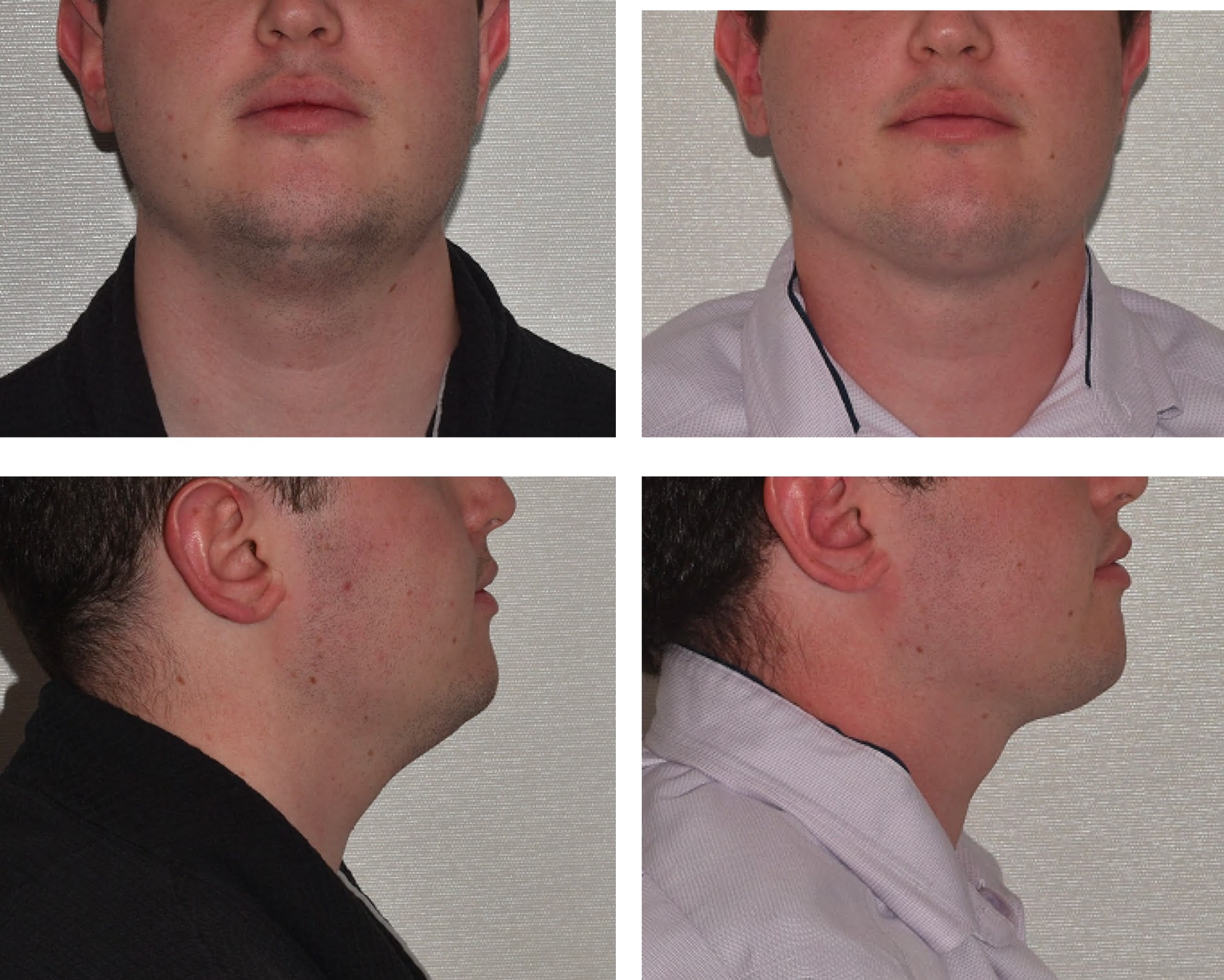


Liposuction is a common cosmetic procedure that aims to remove excess body fat through suction techniques. For those with larger areas of fat to remove, large-volume liposuction may be an appropriate option.
Patients considering liposuction should consult a board-certified plastic surgeon who specializes in liposuction to determine their candidacy and the safest approach.
Large-volume liposuction refers to the volume of total aspirate—the fat and fluid collected during liposuction—not fat alone. The American Society of Plastic Surgeons’ 2009 patient-safety advisory defines it as 5 liters or more of total aspirate in one procedure. This classification is not a universal safe limit or a target for every patient; the appropriate volume depends on the individual surgical plan.
Traditional liposuction utilizes suction cannulas to remove smaller quantities of fat from under the skin. Energy-assisted liposuction employs heat from ultrasound, radiofrequency, or laser energy to break up fat cells before they are suctioned out, allowing for the removal of larger volumes of fat more efficiently.
Large-volume liposuction may suit individuals with significant fat deposits that have not responded to diet and exercise. We will have an in-depth conversation about whether it is the safest and most appropriate approach for your situation. Where multiple body areas are targeted, a medical or bariatric approach may be the better option, because liposuction is not a weight loss procedure.
Large volume liposuction may be an appropriate option for someone with specific target areas that they would like to significantly reduce in size. In these cases, we will often use energy-based procedures to break down fat and minimize blood loss, to maximize the effectiveness and safety of the procedure.
AREA GALLERY PREVIEWS
Browse liposuction photographs by treatment area. These gallery previews are not labeled as examples of a specific device, anesthesia method or diagnosis. Your consultation establishes which options fit your anatomy, health and goals.
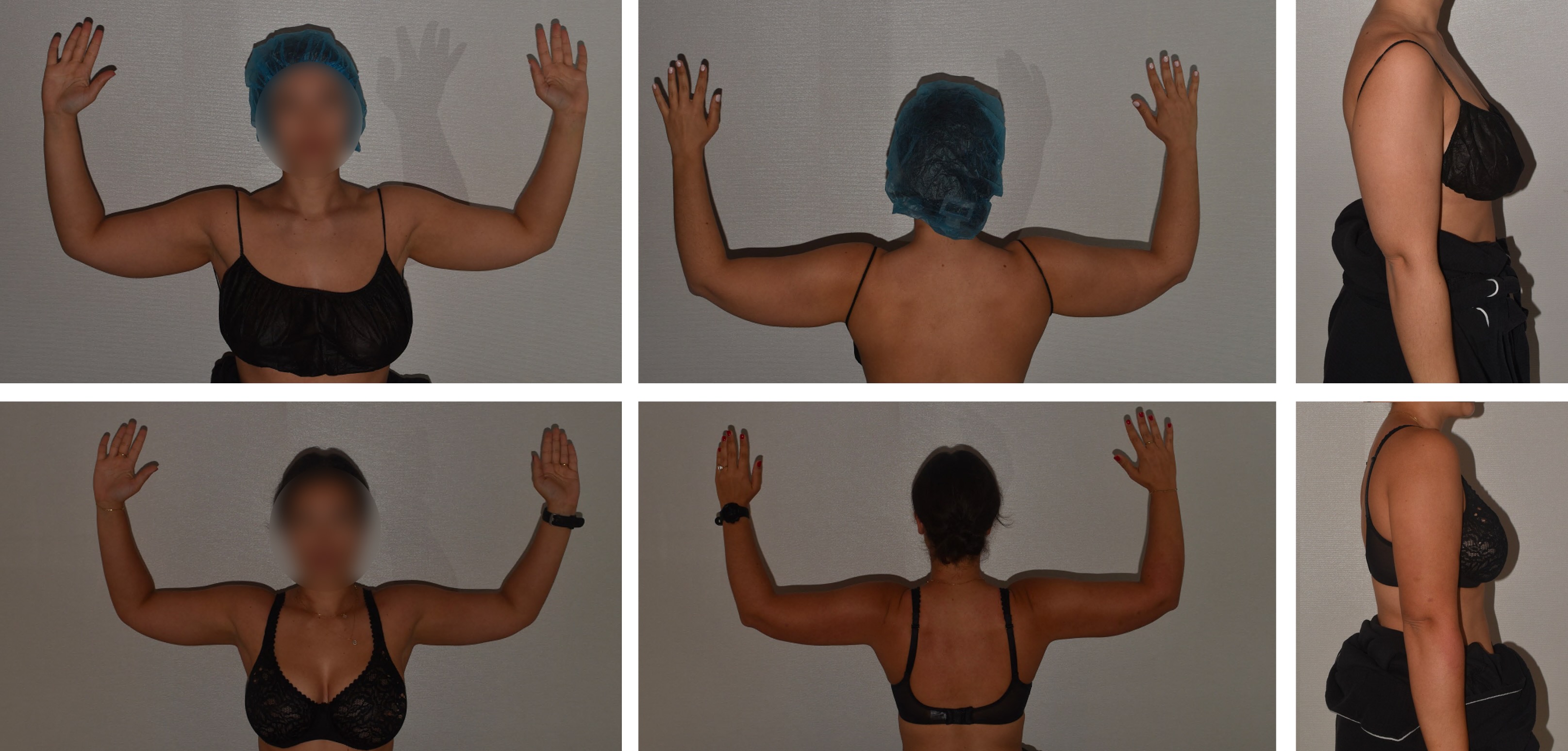

The ideal candidate for large volume liposuction is someone in good health. Dr. Smith will study their medical history and conduct a comprehensive evaluation to determine if he or she is medically appropriate for the procedure.
Certain underlying medical conditions like serious heart or lung problems increase the risk of potential issues. Before any elective surgery, including extensive liposuction, it is crucial to have any existing medical issues well managed.
Pregnancy rules out any cosmetic procedure like liposuction. You also need to have a stable weight. If you’re in the middle of losing or gaining a significant number of pounds, extensive liposuction isn’t recommended.
Even in a healthy patient, extensive liposuction carries real risk. Working with a board-certified plastic surgeon operating in an accredited facility is how that risk is managed, and it is one of the reasons the volume removed and the number of areas treated are decided at consultation rather than by request.
Before performing a large volume liposuction procedure, Dr. Smith carefully measures and marks the treatment areas. These markings serve as the road map for the procedure. Dr. Smith also takes before and after photos of the treatment regions for comparison.
While smaller liposuction procedures may be carried out using local numbing solutions or “twilight anesthesia”, larger volume lipo cases are generally performed under IV sedation (“twilight anesthesia”) or general anesthesia. Through discreet, minimally visible entry points, tumescent fluid is then carefully administered into the targeted zones using specialized cannulas.
Once the tumescent solution takes effect, surplus adipose tissue is expertly evacuated from the designated regions using a slender, hollow metal instrument referred to as a cannula.
How much fat can be safely removed in one procedure depends on your health, your anatomy, and how you are doing during the operation. Dr. Smith sets that volume in the operating room based on what is safe for you that day, not on a fixed number.
Throughout the procedure, which typically takes a couple hours, Dr. Smith will work with a board-certified anesthesiologist to actively monitor your vital signs such as blood pressure, heart rate, and oxygen levels. This close monitoring helps ensure your body can tolerate the liposuction and recovers well after the fat removal process.
It’s normal to experience soreness, swelling, and bruising following large volume liposuction. Dr. Smith may prescribe medications to manage any discomfort.
Most people can return to work within a few days. However, it takes several months for swelling to fully go down and your skin to naturally tighten up. This reveals your final results from the extensive liposuction procedure.
Be patient, as the recovery process takes time. During this period, keep in mind that liposuction shapes your body; it does not change your weight. To get the most out of your results, maintain a healthy diet and exercise routine after your procedure.
Once you complete large volume liposuction, you may have extra skin remaining. Make sure to carefully talk through this possibility with Dr. Smith before your procedure. Choose the best approach tailored specifically for your situation.
In some cases, Dr. Smith may recommend combining liposuction with other surgeries. For example, pairing it with a tummy tuck, arm lift, or thigh lift could remove excess skin. Discussing your goals thoroughly helps make sure the plan meets your needs. Do not hesitate to ask Dr. Smith any questions as you weigh your follow-up options together.
A variety of liposuction techniques exist and suit different body areas and volumes of fat targeted for removal. Suction-assisted liposuction removes fat through cannulas attached to suction. “Dry” describes a technique performed without first injecting a wetting solution; it is not a synonym for all suction-assisted liposuction.
Modern techniques include:
| Technique | Description |
| Power-assisted liposuction (PAL) | Incorporates a vibrating cannula to break up fat stores before suction. Since fat is physically easier to extract with this technique, the surgeon can focus on precisely contouring the treatment area. |
| Tumescent liposuction | Carefully delivers a numbing, blood vessel constricting solution into fatty layers to minimize bleeding risks and enable highly precise sculpting. |
| Laser-assisted liposuction (LAL) | Utilizes controlled laser heat energy to liquefy fat prior to vacuuming. Designed to enhance contouring along with skin tightening effects. The laser energy stimulates collagen production, which encourages skin tightening after the procedure. SmartLipo is a common form of LAL; it is not Dr. Smith’s choice. |
| Ultrasound-assisted liposuction (UAL) | Transmits sonic waves through cannulas to selectively target fibrous fat, like in men’s breast tissues or upper backs in men and women. Today’s latest generation of UAL is VASER liposuction. Dr. Smith finds VASER beneficial in virtually every liposuction case, because it reduces blood loss and its deep tissue tightening gives a contouring advantage. He treats it as non-negotiable in revision cases, to break up scar, and in gynecomastia and flank liposuction, where the tissue is naturally fibrous. He also prefers it in men generally, whose connective tissue tends to be tougher. |
| Radiofrequency-assisted liposuction (RFAL) | Utilizes heat generated by radiofrequency energy to melt fat and tighten skin. The two most common forms of RFAL are BodyTite, a bipolar delivery system, and J-Plasma, a unipolar delivery system. We strongly prefer BodyTite due to its excellent safety profile, and the practice does not offer J-Plasma. |
Beyond simply removing unwanted fat, large-volume liposuction provides both functional and aesthetic advantages that can significantly improve patients’ well-being and quality of life.
| Benefits |
| Significant and long-lasting contour changes by removing excess fat cells |
| Improved daily quality of life by reducing issues like inner thigh chaffing or rashes in skin folds |
| Can help problem areas fit into standard clothing sizes |
| Boosted self-esteem and confidence from sculpted, proportional body shape |
| Empowerment to make and maintain healthy lifestyle changes |
By precisely reshaping especially problematic body areas, this technique helps to sculpt a toned, proportionate physique with natural curves.
1. Toned, sculpted appearance from contouring the most difficult problem areas
Large-volume liposuction can reshape the body toward a more toned outline by reducing bulges in areas like the abdomen, flanks, and thighs.
2. Improved balance in body proportions
Imbalances are improved so that the shoulders, bust, waist, and hips align for a more proportional profile.
3. Enhanced natural curves and contours in areas like the abdomen, hips, and thighs
Smooth transitions are created at key anatomical points to accentuate the curves of a shapely silhouette.
4. Revealed muscle definition and tone beneath smooth skin
Residual stubborn fat pockets are removed to allow underlying muscle striations and firmness to emerge.
5. Youthful, more athletic physique for those seeking a more toned appearance
Men and women alike can achieve a fit and vibrant look by replacing disproportionate fat deposits with sculpted, defined body areas.
6. Revitalized, rejuvenated appearance for older individuals
Older patients appear fresher and more energized as refined body contours are no longer obscured by stubborn fat deposits.
As with any surgical procedure, large-volume liposuction carries risks you should understand before consenting. The ones specific to volume are fluid shifts, since large amounts of dilute local anesthetic and fluid are used and both blood loss and fluid balance scale with the amount removed; lidocaine toxicity for the same reason; changes in body temperature during a long case; and venous thromboembolism, which rises with operative time. Contour irregularity is more likely when more is removed. Prior abdominal surgery and a longer case both add complexity. These are the reasons volume is capped by judgment rather than by preference, and why the case is staged when the plan would otherwise be too long.
To reduce risks, procedures must only be performed by highly trained and qualified plastic surgeons in accredited surgical facilities using safe and sterile techniques. Cannula movement and fluid levels are closely monitored under appropriate anesthetic care.
Patients also play a role by thoroughly reviewing medical and treatment histories with Dr. Smith. Following the pre-op and post-op instructions supports patient safety, though it cannot remove risk.
Compression garments will be provided for you to wear for 4 weeks after surgery. These garments help reduce swelling, promote healing, and improve the contour of treated areas.
Rest with the exception of easy walks for the first 48 hours after the procedure. Thereafter, it is generally reasonable to return to a desk job. Gradually going back to daily activities to remain comfortable and minimize soreness. The healing process can take several weeks to months, depending on the extent of the procedure.
Specific postoperative care instructions will be provided, including incision site care, pain management, and follow-up appointment scheduling. Following these is important for proper healing and supports a safe recovery.
Your PCP can monitor vital signs and blood pressure, provide medical oversight as needed, and help manage any underlying conditions affecting your recovery.
Following healthy habits supports long-term satisfaction with large-volume liposuction results. A healthy diet rich in lean proteins, quality fats, fruits, and vegetables supplies nourishment while avoiding weight gain. Sweets, sodium, and excessive alcohol inhibit long term maintenance.
Remember that large volume liposuction is not intended for weight loss. While it permanently removes fat cells from the treatment area, it will not prevent you from gaining weight. It is essential to maintain a healthy lifestyle to preserve your results.
In cases of significant skin laxity, additional procedures may be necessary to tighten skin. Minimally invasive Skin tightening options for loose skin and skin laxity include ultrasound energy, radiofrequency energy, and laser energy. More severe skin laxity may be most appropriately treated with a skin removal procedure like an abdominoplasty or lower body lift.
The cost of large volume liposuction varies depending on several factors. Dr. Smith will discuss this with the patient during consultation.
Large-volume liposuction can produce substantial contour change when performed safely by an experienced plastic surgeon. Removing multiple liters of stubborn fat at once can reveal natural, balanced contours where diet and exercise have fallen short.
If you have areas of disproportionate fullness resistant to traditional weight loss efforts, consulting a liposuction expert is a reasonable next step. Discuss your goals and medical profile openly with a board-certified plastic and reconstructive surgeon to determine if you are a good candidate.
Dr. Darren M. Smith has treated many men and women with minimally invasive body contouring techniques. To learn what large-volume liposuction could do in your case, schedule a confidential consultation with his practice.
Dr. Smith’s practice is located at the Ritz Tower, 111 East 57th Street, Ground Floor, New York, NY 10022, in Midtown Manhattan. The office welcomes patients from across the five boroughs, the tri-state area, and well beyond.
New Yorkers come to Dr. Smith because his work is refined, exacting, and never one-size-fits-all. Whether you are a lifelong New Yorker or traveling in for a consultation, you will find a practice that treats every patient with precision and discretion.
YOUR NEXT CHAPTER
Discuss your priorities, ask questions and explore a personal surgical plan with Dr. Smith.
Our practice is located at the Ritz Tower, 111 East 57th Street in Midtown Manhattan. We welcome patients from the five boroughs and the surrounding tri-state area. If you are traveling for care, explore our guide for out-of-town patients.
Request a consultation