
Foot Fat Grafting in NYC
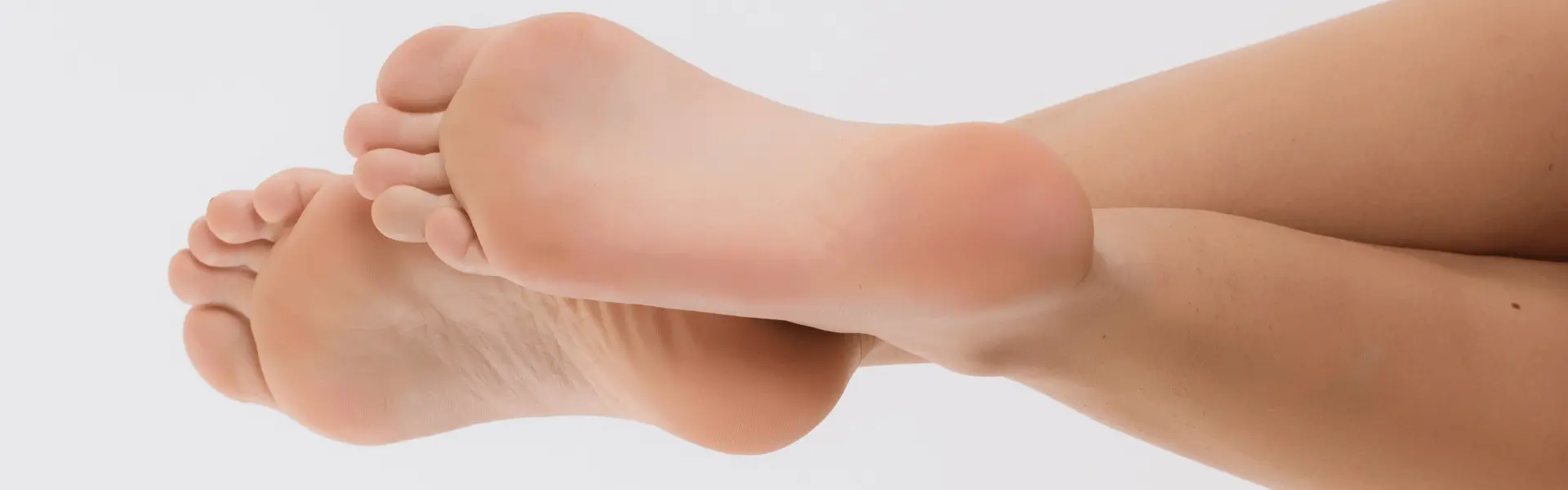
Foot fat grafting for plantar fat-pad loss
Dr. Darren M. Smith uses foot fat grafting to address loss of the cushioning fat pad under the foot, also called plantar fat-pad loss or atrophy. A podiatrist participates in every initial evaluation, and custom orthotics are used to offload pressure. Treatment planning focuses on the underside of the foot and the source of your symptoms.
Overview of Foot Fat Transfer Procedure
Foot fat grafting, also called foot fat transfer, uses your own fat to add cushioning beneath the foot where the plantar fat pad has thinned.
Fat is collected from a donor area through liposuction, prepared, and injected into the selected areas beneath the foot. The amount and placement depend on the findings from your evaluation.
How Fat Transfer Improves Foot Function
The soles of your feet contain specialized fat pads that act as natural shock absorbers. They cushion your feet when walking and standing. Over time, these fat pads can lose volume and atrophy.
Adding fat to areas with reduced padding aims to improve cushioning and comfort during standing and walking. The response varies, and symptom relief is not guaranteed.
Is foot fat grafting right for you?
This treatment is intended for loss of the fat pad beneath the foot. The evaluation needs to establish whether reduced cushioning contributes to your symptoms before a grafting plan is made.
Podiatry evaluation comes first
A podiatrist is involved in every initial evaluation in Dr. Smith’s practice. The assessment and your health history guide whether fat grafting is appropriate and how pressure will be offloaded afterward.
Other causes of foot pain need their own treatment plan. Fat grafting is not a general treatment for every painful foot condition.
Custom orthotics and pressure offloading
Custom orthotics are used to offload pressure from the grafted area. They are part of the recovery plan even though you can walk immediately after the procedure.
At two weeks, light exercise must still avoid pressure on the graft. Dr. Smith’s usual timeline allows unrestricted activity at four weeks, with instructions adjusted to your recovery.
What to Expect During Your Foot Fat Grafting Procedure
Harvesting and Preparation of Fat
The process begins with liposuction, where excess fat is gently extracted from a selected body area. The harvested fat is then processed and prepared for reinjection, with careful handling intended to preserve viable fat tissue.
Placing fat beneath the foot
The prepared fat is injected into the areas of plantar fat-pad loss identified during your evaluation.
The goal is to add cushioning under the foot. The treatment plan and pressure-offloading instructions are tailored to the areas being treated.
All of this is accomplished in less than an hour, using only local numbing medicine.
Recovery after foot fat grafting
Immediate Post-Surgery
After fat grafting, the local anesthetic keeps most patients comfortable during and right after the procedure. Expect soreness in the foot and at the liposuction site as it wears off.
You can walk immediately after the procedure, using custom orthotics to offload pressure from the grafted area. Being able to walk does not mean that pressure on the graft is unrestricted during early healing.
Return to exercise
At two weeks, you can resume light exercise that does not put pressure on the grafted area. At four weeks, you can return to unrestricted activity. These are Dr. Smith’s usual milestones; follow the instructions provided for your individual recovery.
Some temporary swelling or bruising is normal after the procedure. It usually settles over the following weeks, though how long it lasts varies from patient to patient.
Why Choose Dr. Darren Smith for Your Foot Renewal
Dr. Darren M. Smith is board-certified by the American Board of Plastic Surgery and specializes in aesthetic and reconstructive procedures. He has advanced training in fat transfer techniques.
What makes him stand out:
- Dr. Smith has completed fellowship training in both aesthetic surgery and craniofacial surgery
- More than 2,600 citations for his published research
- Trusted media expert featured in Allure, Elle, Popsugar and more
- Kind, compassionate approach loved by his patients
A podiatrist is involved in every initial foot fat-grafting evaluation. Dr. Smith and the podiatrist assess the plantar fat-pad loss and plan treatment and pressure offloading with custom orthotics.
Discuss plantar fat-pad loss with Dr. Smith
If you are considering foot fat grafting for loss of padding beneath the foot, the first step is an evaluation that includes a podiatrist.
Schedule a consultation to discuss your symptoms, treatment options and recovery. Call +1 (212) 633-0627 or book your appointment online now.
Frequently Asked Questions (FAQS) About Foot Fat Grafting
What is Foot Fat Grafting and how can it help alleviate foot pain?
Foot fat grafting transfers your own fat to areas beneath the foot where cushioning has been lost. Dr. Smith’s treatment focuses on plantar fat-pad loss.
Clinical studies have reported improvements in pain and function in selected patients with plantar fat-pad atrophy. Individual results vary. Your initial evaluation includes a podiatrist to help determine whether this procedure is appropriate for the cause of your symptoms.
Research reference: prospective randomized clinical trial of fat grafting for pedal fat-pad atrophy.
Is Foot Fat Grafting suitable for everyone?
No. Dr. Smith treats fat-pad loss under the foot. A podiatrist is involved in all initial evaluations, and the decision depends on the examination and your overall health. A foot-pain diagnosis alone does not establish that fat grafting is the right treatment.
How is Foot Fat Grafting different from dermal fillers?
Fat grafting transfers your own tissue from a donor area, whereas a dermal filler is an injectable product. Dr. Smith’s plantar treatment uses your own fat, with custom orthotics to offload pressure afterward.
How long is the recovery time for the Foot Fat Grafting procedure?
In Dr. Smith’s practice, you can walk immediately with custom orthotics to offload pressure. Light exercise that avoids pressure on the grafted area can resume at two weeks, with no activity restrictions at four weeks. Your individual instructions take priority if your recovery requires an adjustment.
Can this procedure be combined with other plastic surgery procedures?
Yes. Dr. Darren M. Smith often combines foot fat grafting with other procedures, such as facial fat transfer or breast augmentation.
Foot Fat Grafting in the Heart of New York City
Dr. Smith’s practice is located at the Ritz Tower, 111 East 57th Street, Ground Floor, New York, NY 10022, in Midtown Manhattan. The office welcomes patients from across the five boroughs, the tri-state area, and well beyond.
Choosing where you have surgery matters as much as choosing who performs it. New Yorkers come to Dr. Smith because his work reflects the city itself: refined, exacting, and never one-size-fits-all. Whether you’re a lifelong New Yorker or traveling in for a consultation, you’ll find a practice that treats every patient with precision and discretion that have made Manhattan a destination for plastic surgery patients from around the world.