01
Matrix Profile
Processed human donor adipose tissue. The manufacturer describes preserved adipose structure and extracellular matrix, without viable cells.

Advanced Adipose Matrix & Body Contouring
Private QUAD A Accredited Surgical Suite at the Ritz Tower
111 E 57th St, NYC
At a Glance
01
Processed human donor adipose tissue. The manufacturer describes preserved adipose structure and extracellular matrix, without viable cells.
02
Targeted subcutaneous volume and contour correction, including buttock projection, hip contour concerns, and selected post-liposuction depressions.
03
AlloClae is currently not available or administered in New York State. It is not offered at our New York practice.
04
Individualized autologous fat grafting, scar release for selected contour defects, and soft-tissue contouring when appropriate.
Understanding the Tissue
Autologous fat grafting transfers your own fat from a donor area to an area where additional volume is desired. For patients with limited donor fat, the amount that can be safely harvested may not be enough to achieve the intended correction.
AlloClae is processed human donor adipose tissue intended to provide subcutaneous cushioning and support where fat naturally exists. It supplies volume without donor-site liposuction. It is distinct from living fat harvested and transferred from the same patient.
The manufacturer describes preserved adipose structure and extracellular matrix, without viable cells. Its composition differs from fully decellularized or delipidated matrices.
Tissue response, volume persistence, and suitability require individual assessment. The manufacturer reports an ongoing prospective study of hip-dip treatment. Results from research and individual cases require careful interpretation when considering long-term cosmetic outcomes.
Using donor tissue avoids liposuction to obtain the patient's own fat. It does not eliminate injection entry sites, swelling, bruising, treatment risks, or recovery considerations.
Product description: Tiger BioSciences AlloClae information.
Clinical Transparency
Patients contacting our 57th Street office deserve a clear distinction between an educational review of a treatment and the procedures currently available at our practice.
New York has separate tissue-banking and distribution requirements. AlloClae is currently not available or administered in New York State due to ongoing state-level administrative and regulatory determinations regarding allograft adipose processing.
We do not perform AlloClae injections at our New York practice. Consultations at Dr. Smith's private QUAD A accredited surgical suite focus on an individual assessment and the treatment options currently available here.
Ask your treating clinician about the tissue or product being used, the evidence supporting its intended use, applicable requirements, and the risks and alternatives. An allograft classification should not be interpreted as FDA approval of cosmetic outcomes.
Clinical Photographs
These existing clinical cases illustrate prior applications of AlloClae for targeted volume and contour concerns. They are presented for education and do not indicate current AlloClae availability in New York. Individual results vary.
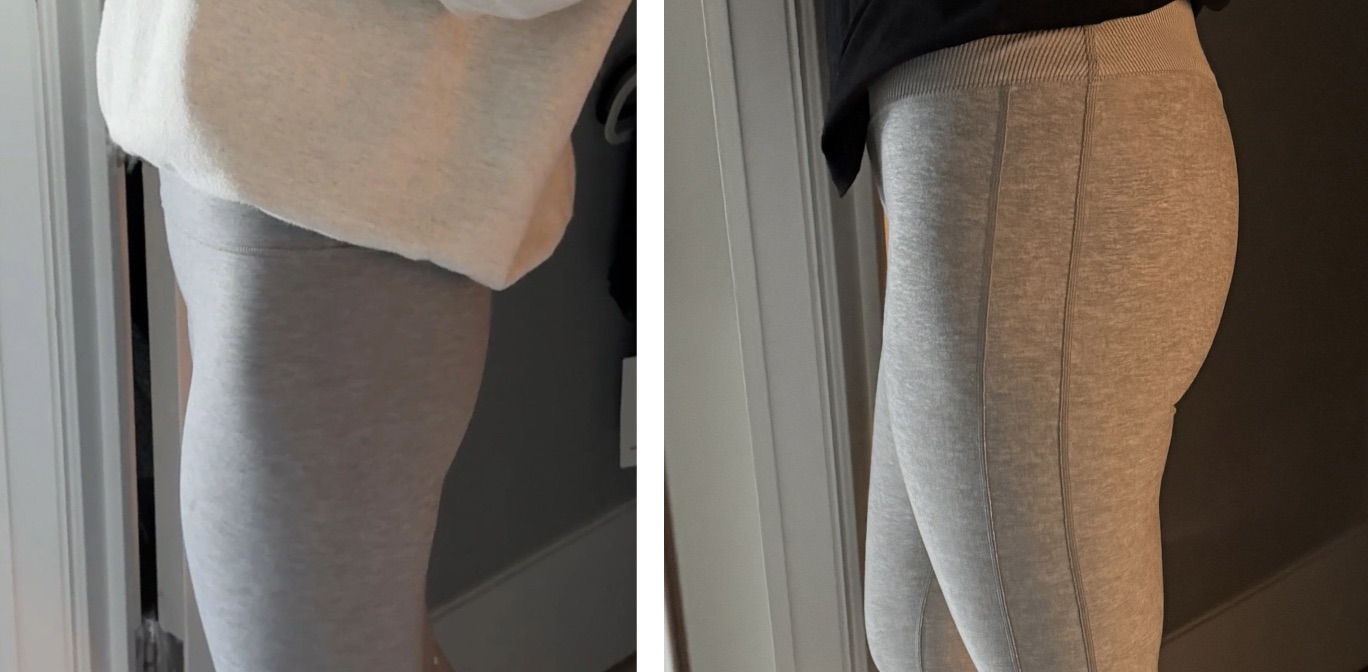
Case 01
AlloClae buttock enhancement using 75 cc per side for a fit patient with little native fat available and a goal of additional projection.
View Case 01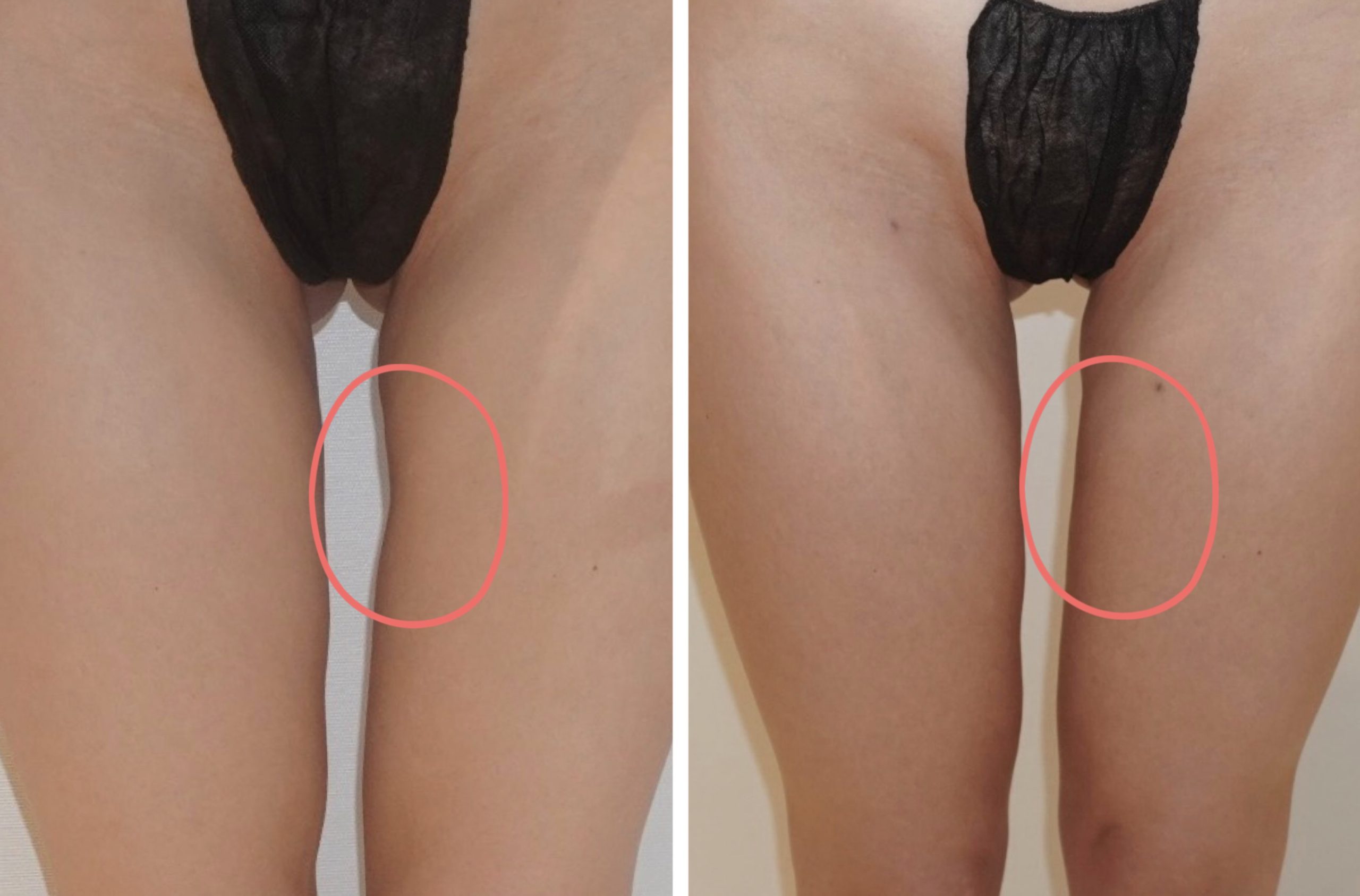
Case 02
AlloClae treatment using 25 cc for a left-thigh contour depression after previous liposuction in a patient with little native fat available.
View Case 02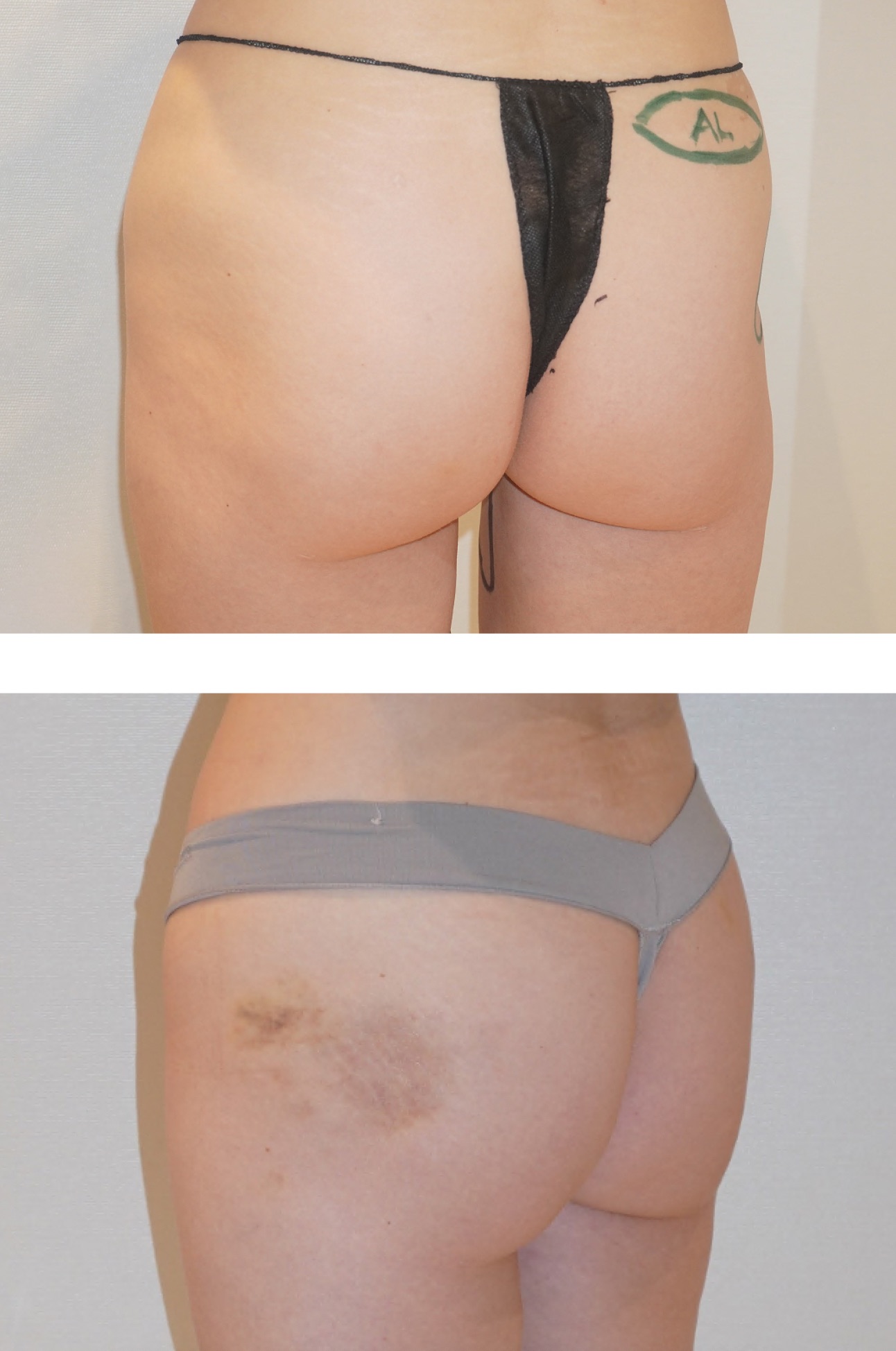
Case 03
AlloClae buttock enhancement using 75 cc per side for additional projection in a fit patient with limited native fat.
View Case 03The available case descriptions do not specify follow-up intervals. Photographs and treatment volumes do not predict the result another patient will achieve.
Explore the AlloClae GalleryA Scientific Perspective
Dr. Smith's peer-reviewed work includes preclinical studies of adipose-derived cells and experimental tissue reconstruction. This work informs his scientific perspective and critical evaluation of evidence. It is separate from clinical evidence for AlloClae or cosmetic fat-transfer outcomes.
Plastic and Reconstructive Surgery · 2011
As first author, Dr. Smith examined adipose-derived stem cells and BMP-2 in a rabbit skull-defect model. BMP-2 improved bone formation; adding adipose-derived cells did not significantly augment that process.
Smith DM et al.Regenerative surgery in cranioplasty revisited: the role of adipose-derived stem cells and BMP-2.128(5):1053-1060.
Read the Study on PubMedStem Cells · 2008
Dr. Smith coauthored a rat study examining transplanted bone marrow cells in adipose tissue. Their observed contribution to the generation of adipose-derived stem cells was minor in this model.
Tomiyama K et al.Characterization of transplanted green fluorescent protein+ bone marrow cells into adipose tissue.26(2):330-338.
Read the Study on PubMedOptions Available in New York
The right treatment depends on the amount of volume needed, the quality of the surrounding tissue, and whether sufficient donor fat is available. A consultation distinguishes volume loss from tethered scar tissue or skin laxity.
Limited Donor Fat
A careful examination of potential donor areas determines whether enough fat can be harvested for the intended correction. Selected patients may be candidates for small-volume transfer using their own tissue.
Very lean patients may not have enough donor fat for their desired increase in volume. Fat retention and the need for further treatment vary.
Post-Surgical Dents & Asymmetry
For selected contour irregularities, releasing tethered scar tissue may be combined with autologous fat grafting to improve the transition between adjacent tissue planes.
Avéli releases the fibrous bands responsible for cellulite dimples and may also be considered for selected soft-tissue release procedures. Post-liposuction scar tethering and missing volume require separate assessment; releasing tissue does not restore volume.
The depth of the depression, skin quality, and previous procedures influence what can be achieved. Improvement and fat retention vary; additional treatment may be needed.
Skin Laxity & Contour Transitions
BodyTite may be considered for suitable patients whose concern includes tissue laxity. Dr. Smith assesses whether tightening, volume restoration, or another approach best addresses the anatomy.
Tissue tightening addresses laxity. It does not replace missing volume or serve as a substitute for fat grafting.
Explore BodyTiteYour Consultation
Soft-tissue restoration begins with experienced clinical judgment and a clear understanding of your goals. During your one-on-one consultation, Dr. Smith evaluates the anatomy that matters to your treatment plan.
Assessment of skin elasticity, subcutaneous fat, and potential donor areas helps establish whether autologous fat transfer is a suitable option.
For uneven liposuction results or prior surgery, Dr. Smith evaluates tethering, tissue thickness, and contour transitions before discussing a revision plan.
You receive an explanation of the options available in New York, their limitations and risks, expected recovery, and an individualized breakdown of treatment fees.
Discuss the volume and contour options appropriate for you.
Darren M. Smith, MD, FACS
111 E 57th St, New York, NY 10022