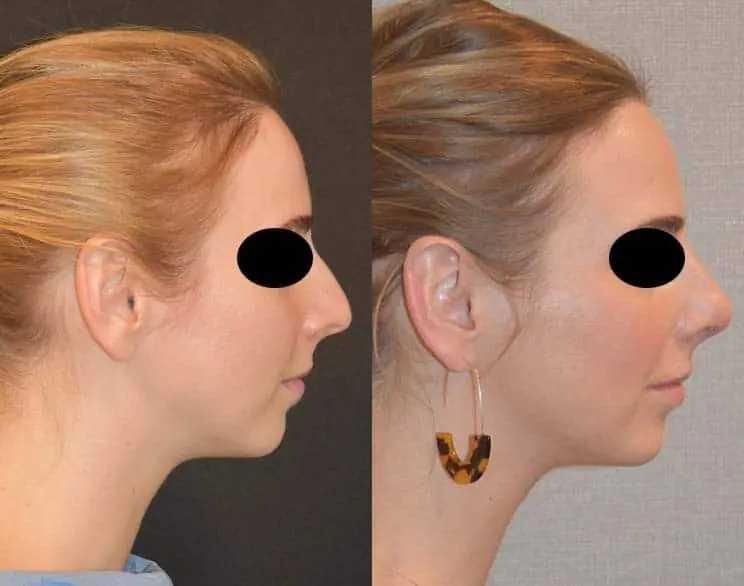
Rhinoplasty
Case 1
Individual results may vary.

Rhinoplasty
Case 1
Individual results may vary.
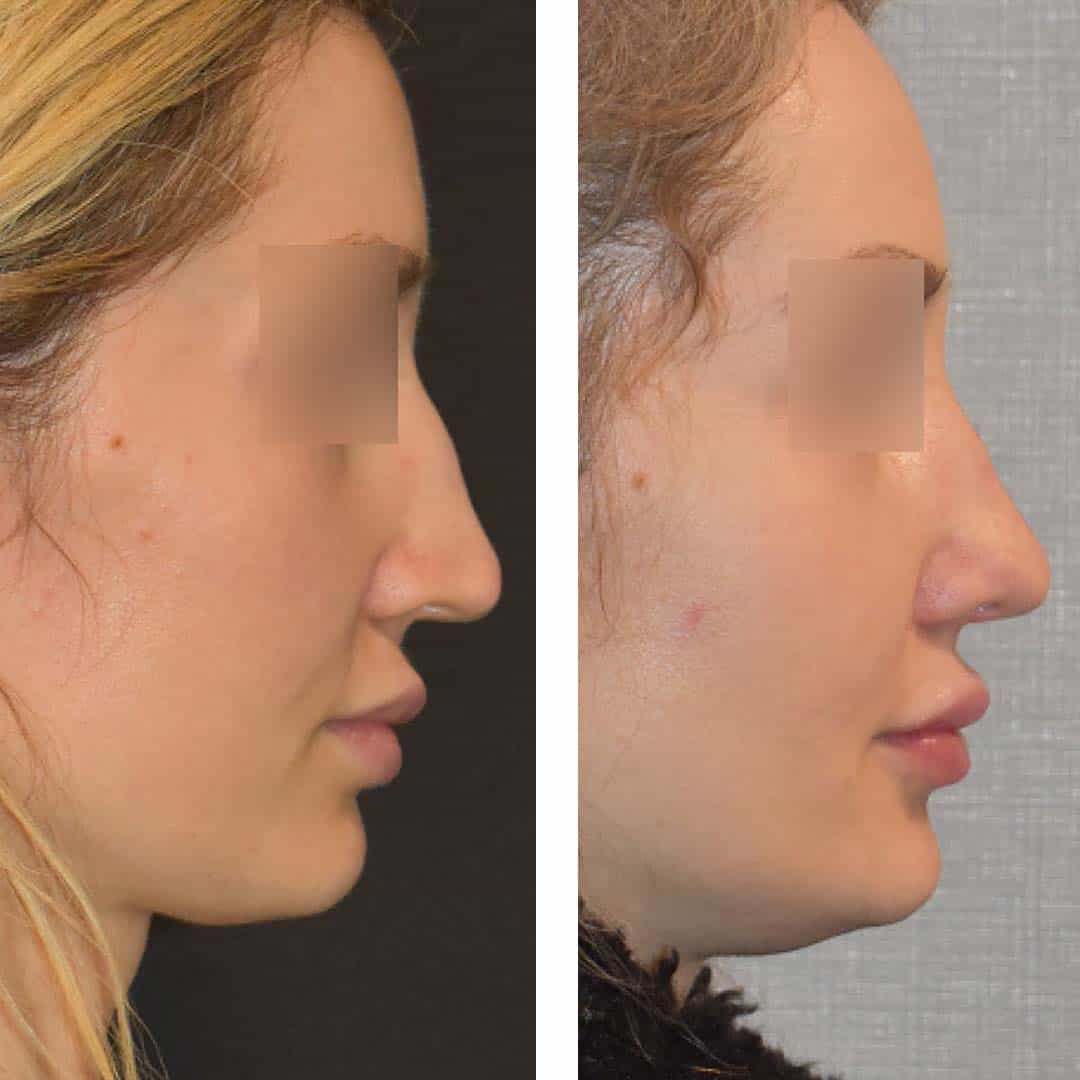
Rhinoplasty
Case 2
Individual results may vary.
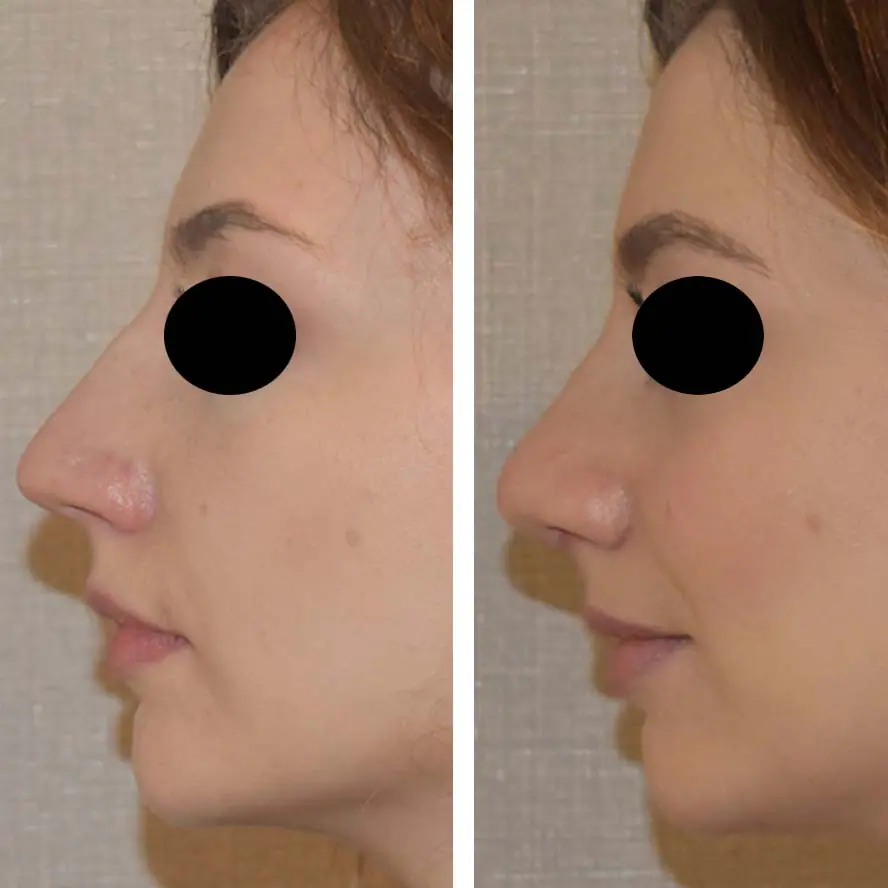
Rhinoplasty
Case 3
Individual results may vary.
Individual results may vary.
Getting a rhinoplasty procedure (nose job) is one of the top ways to enhance your appearance and feel more confident. In some cases, a rhinoplasty is performed to improve breathing, along with improving nose shape, projection, and size. No matter your reason for needing a rhinoplasty, Darren M. Smith, MD, who is board-certified by the American Board of Plastic Surgery, can help.
Having completed both a craniofacial surgery fellowship and an aesthetic surgery fellowship, Dr. Smith approaches rhinoplasty with training in both the structure of the nose and its appearance. To learn more about modern rhinoplasty procedures, book a consultation with us either online or over the phone.
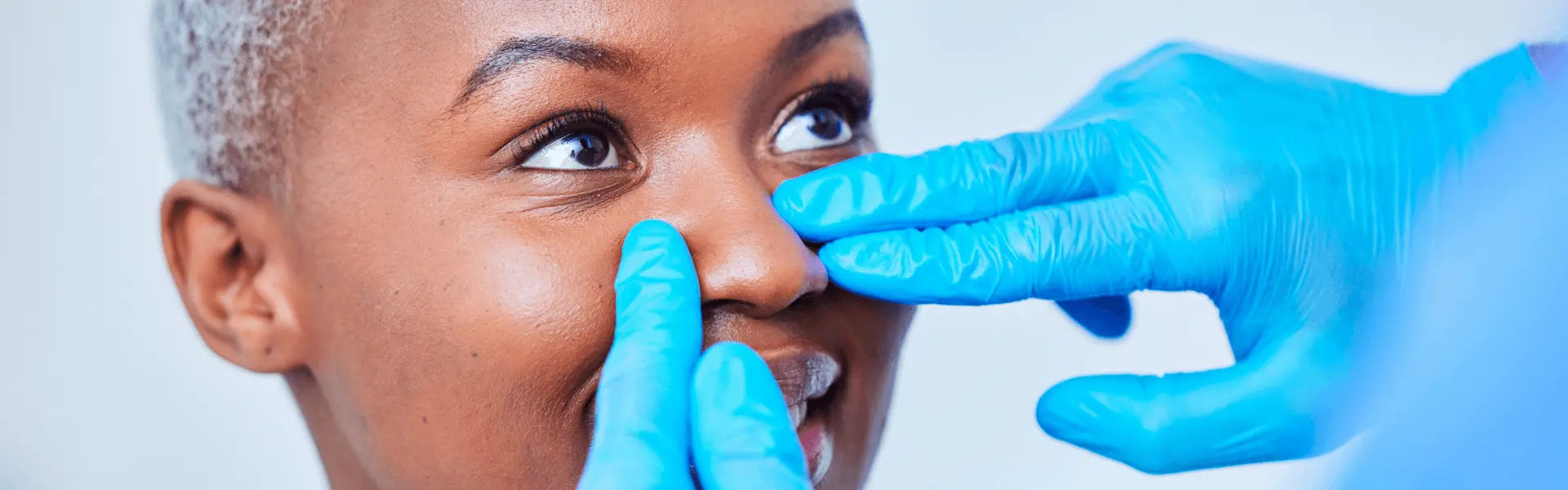
A rhinoplasty, more commonly known as a “nose job,” involves surgically reshaping your nose to improve your overall facial appearance, achieve facial balance, and improve your breathing. A rhinoplasty can:
While commonly requested for aesthetic purposes, rhinoplasty is sometimes needed for medical purposes, too. For instance, if you have a deviated septum or obstructed airway that makes it difficult for you to breathe, or that causes you to snore, a rhinoplasty can often relieve it.
Each rhinoplasty procedure is unique. During your consultation, Dr. Smith will work with you to understand your aesthetic and functional goals. Canfield Vectra imaging models the planned result in three dimensions; simulations illustrate possibilities and are not a guarantee of your outcome.
While all our procedures are highly-customized and based on the individual patient’s anatomy and their goals, perhaps no operation in plastic surgery is as different from one patient to the next as rhinoplasty. This is because the range of possibilities in nasal anatomy is particularly diverse. Therefore, the maneuvers that may need to be performed to achieve a given result vary tremendously from patient to patient.
Most of the maneuvers that may be performed during rhinoplasty can be grouped into several categories:
A different combination of grafts, sutures, septal surgery and osteotomies is performed in each rhinoplasty, although some rhinoplasties may not require maneuvers from each category.
Rhinoplasties can be performed “open” or “closed,” depending on the specifics of the case. In open rhinoplasty, a small incision is made on the columella (the structure separating your nostrils on the bottom of your nose) and the nasal skin is moved out of the way to allow access to the underlying structures. The resulting scar is small and well-hidden; it fades over time but does not disappear. In closed rhinoplasty, incisions are made inside the nasal passages, and are therefore hidden after the procedure. A rhinoplasty can be performed under general anesthesia (the patient is completely asleep) or “twilight” anesthesia (the patient is awake and breathing on his or her own but not aware of his or her surroundings). After the procedure you will recuperate in the recovery room and can generally return home one to two hours after surgery.
For cosmetic rhinoplasty, facial growth should be complete before surgery is considered. Readiness also depends on health, the changes you want to make and realistic expectations; a birthday alone does not establish candidacy. Dr. Smith assesses the nose, facial proportions and breathing concerns during consultation to discuss appropriate timing.
Operating time depends on the work needed to reshape the nose and address breathing concerns. A plan involving cartilage grafts, septal surgery or reshaping the nasal bones differs from a more limited correction. Ask Dr. Smith for the estimate for your operation, including how much additional time to allow for preparation and recovery before discharge.
After surgery, you will have a small plastic splint on your nose that will stay in place for approximately 5 days. Most of your bruising and swelling will resolve to the point that you can return to work after 5-7 days.
You will feel swollen and a little sore after the procedure, but this also improves rapidly during the first week. The first week of your recovery should be spent taking short walks and with minimal exertion. During the second week, you can gradually increase your activity level.
After two weeks, you will be ready to resume your standard activity level, although the nose should be protected from direct trauma for approximately 6 weeks. Dr. Smith has advanced training in current rhinoplasty techniques, which he uses to keep swelling, scarring, and downtime to a minimum. How quickly you heal still varies, and residual swelling in the tip can take up to a year to settle.
Book your rhinoplasty evaluation at the office of Darren M. Smith, MD, today with the online scheduler or call the office directly.
Dr. Smith’s practice is located at the Ritz Tower, 111 East 57th Street, Ground Floor, New York, NY 10022, in Midtown Manhattan. The office welcomes patients from across the five boroughs, the tri-state area, and well beyond.
Choosing where you have surgery matters as much as choosing who performs it. New Yorkers come to Dr. Smith because his work reflects the city itself: refined, exacting, and never one-size-fits-all. Whether you’re a lifelong New Yorker or traveling in for a consultation, you’ll find a practice that treats every patient with precision and discretion that have made Manhattan a destination for plastic surgery patients from around the world.
YOUR NEXT CHAPTER
Discuss your priorities, ask questions and explore a personal surgical plan with Dr. Smith.
Our practice is located at the Ritz Tower, 111 East 57th Street in Midtown Manhattan. We welcome patients from the five boroughs and the surrounding tri-state area. If you are traveling for care, explore our guide for out-of-town patients.
Request a consultation