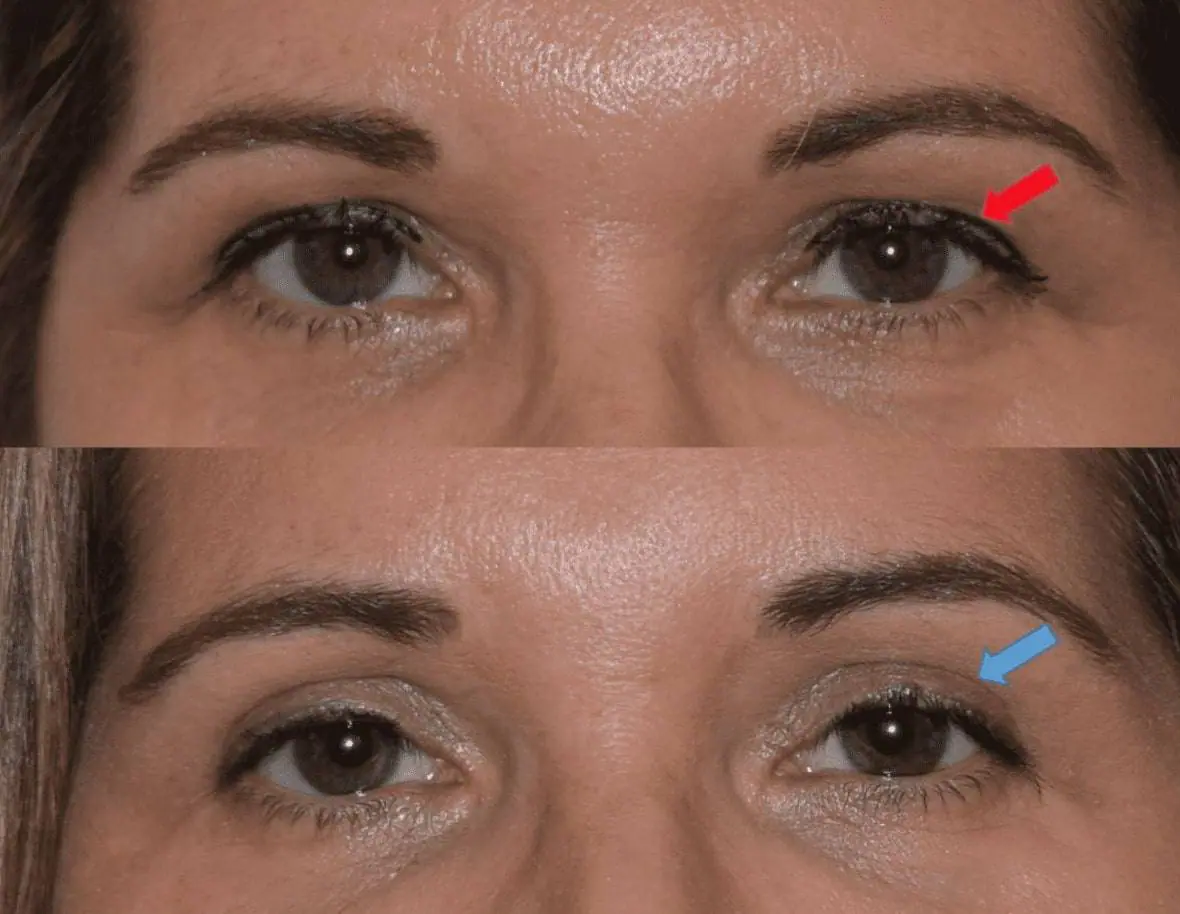
Eyelid Surgery
Case 1
Individual results may vary.

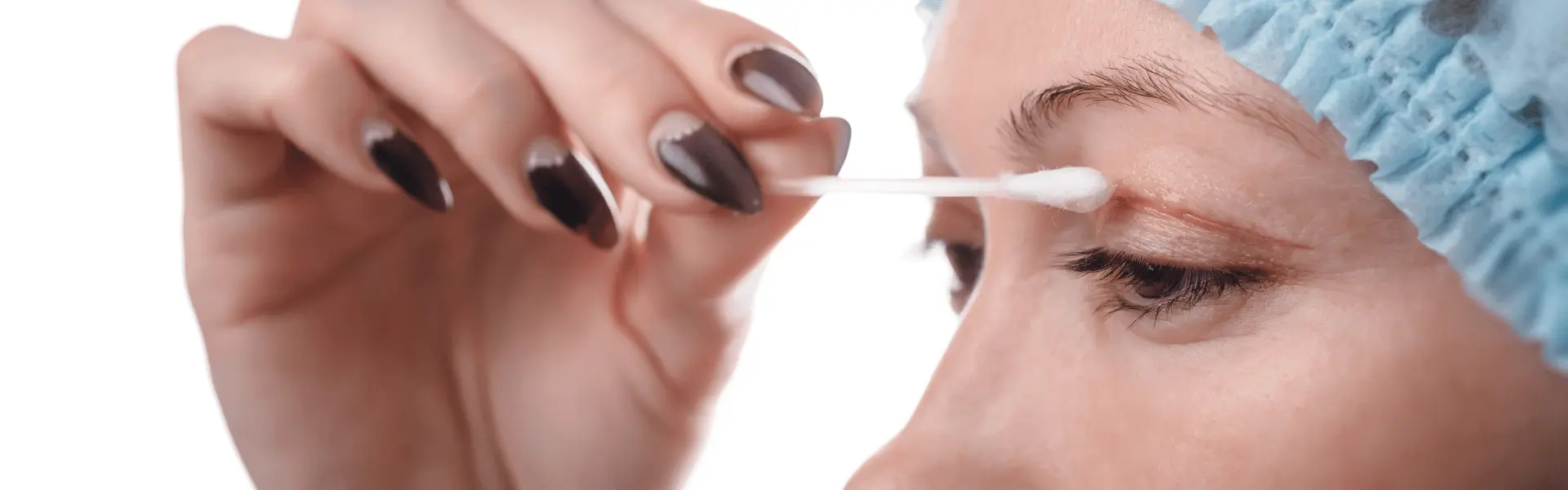
Eyelid Surgery
Case 1
Individual results may vary.
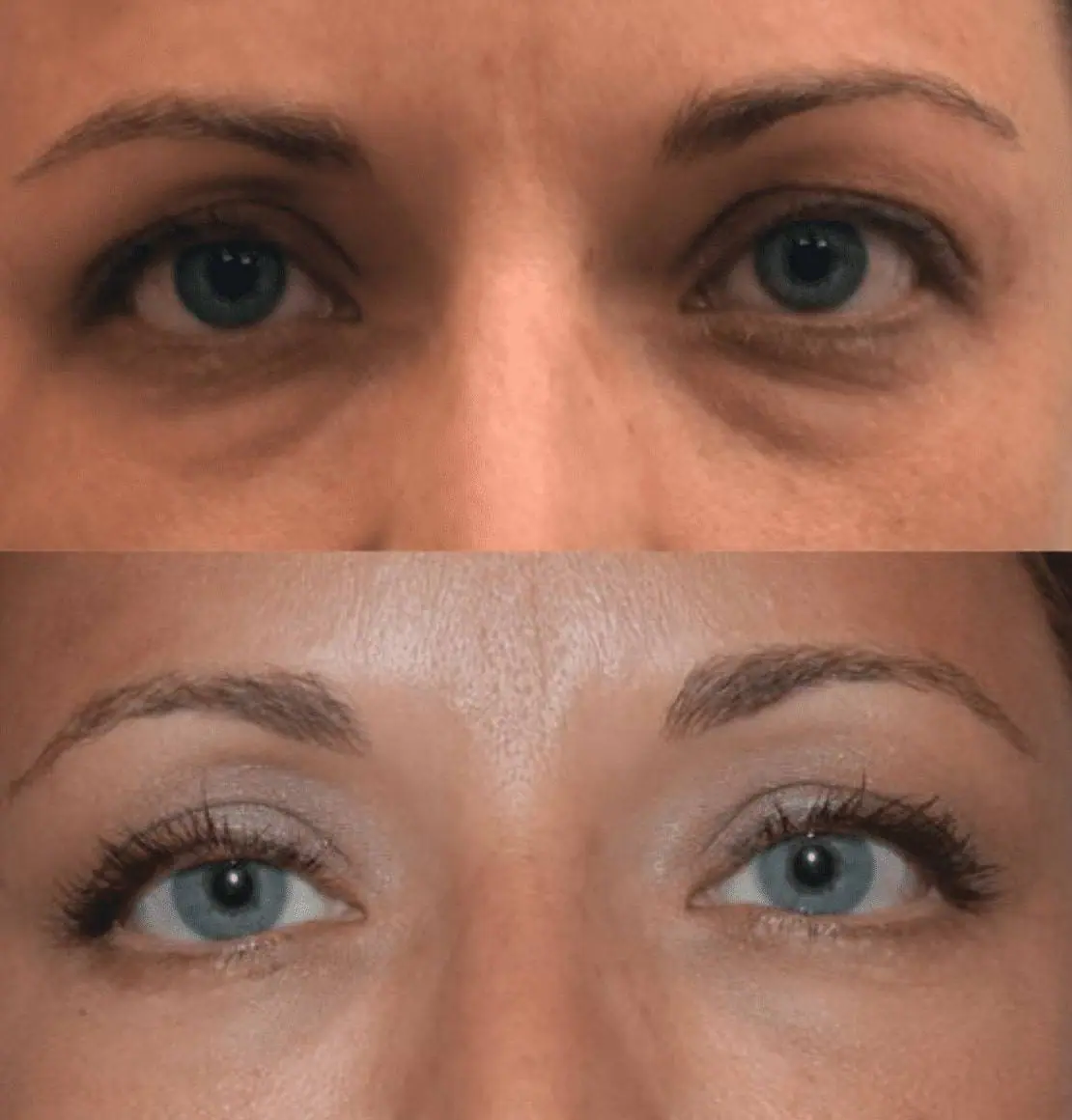
Eyelid Surgery
Case 2
Individual results may vary.
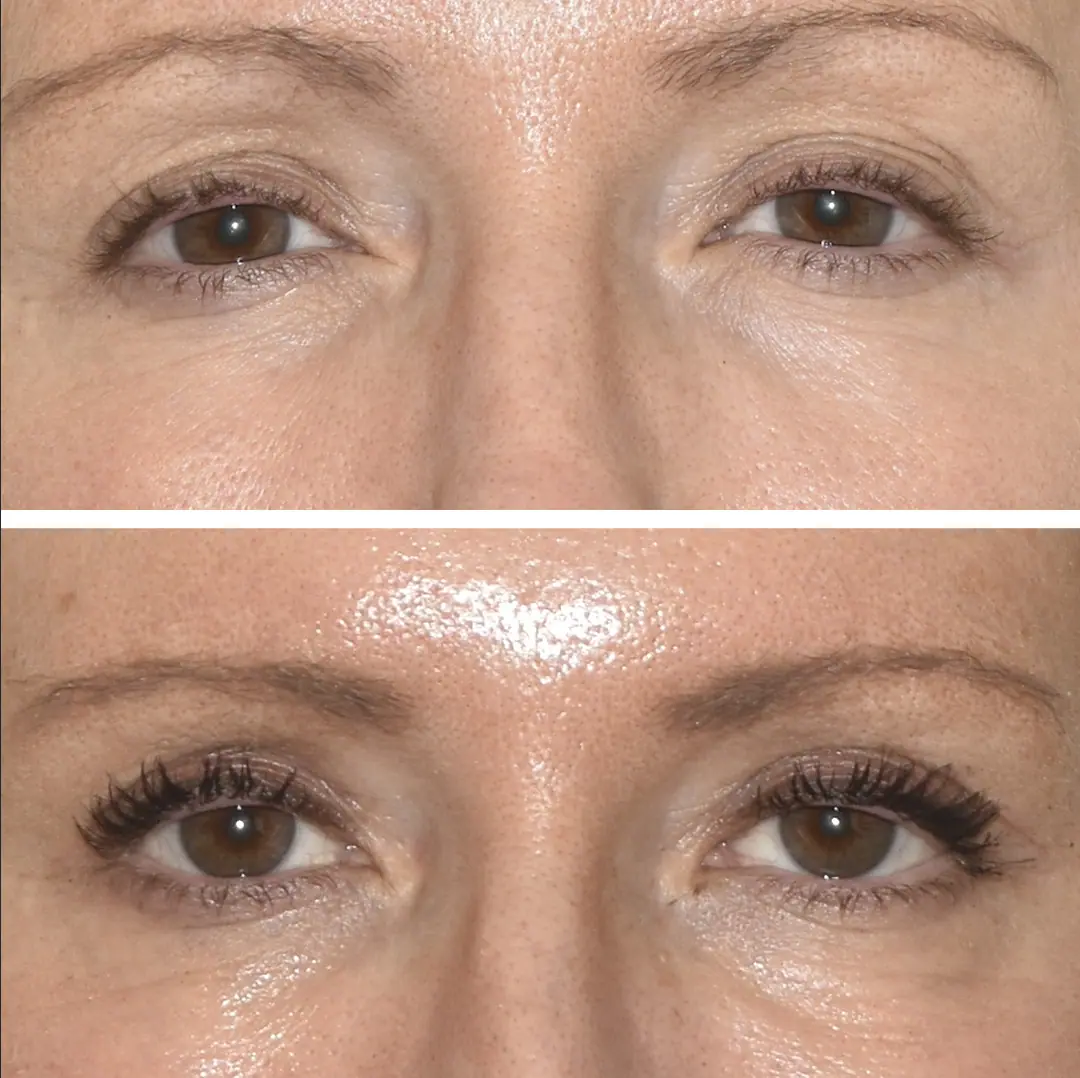
Eyelid Surgery
Case 3
Individual results may vary.
Individual results may vary.
Tired of your droopy eyelids making you look older or more tired than you are?
Eyelid surgery is a well-established way to address the sagging and puffiness that can make the eyes look tired.
Dr. Darren M. Smith is a board-certified plastic surgeon in Manhattan. He will explain what blepharoplasty can change about your upper and lower lids, and what it cannot.
Explore our gallery of real patient results. These before-and-after photos show outcomes of plastic surgery performed by Dr. Smith. Individual results vary.
Eyelid surgery, also known as blepharoplasty, is a surgical procedure that can address both functional and cosmetic concerns of the eyelids. There are different types of blepharoplasty procedures depending on the specific goals:
| Procedure | Description |
| Upper blepharoplasty | Removes excess upper-eyelid skin, with any muscle or fat treatment tailored to the patient’s anatomy. |
| Lower blepharoplasty | Addresses lower-eyelid bags. An internal incision accesses the fat; separate skin removal or eyelid-support procedures may be considered when needed. |
| Four-lid eyelid surgery | Performs both upper and lower blepharoplasty in one procedure. |
| Asian eyelid surgery | Also called double eyelid surgery, creates an eyelid crease for patients without a natural fold. |
| Transconjunctival blepharoplasty | Accesses lower eyelid fat through an inner eyelid incision. |
Eyelid surgery provides both functional and aesthetic improvements.
While everyone ages differently and at different rates, most patients undergoing eyelid surgery in our practice are between their mid-thirties and mid-sixties. Interest in the procedure typically develops as skin laxity develops in the upper lids and fat herniation becomes apparent in the lower lids.
All patients must be assessed for eye disease like dry-eye or glaucoma and systemic issues like diabetes, thyroid disorders, high blood pressure, or cardiovascular disease, as these can impact healing and safety.
Patients should discuss their full medical history with Dr. Smith. In some cases, we will consult with your ophthalmologist or primary care doctor as appropriate to ensure your safety during the procedure.
Realistic expectations are also important. While blepharoplasty relieves tired eyes and boosts confidence through a more youthful appearance, it cannot always completely erase dark circles or eliminate all signs of aging. We will discuss your desired goals and expectations during your consultation.
The best candidates for eyelid surgery will have some combination of skin excess, fat herniation and muscle laxity. These anatomical issues can be very effectively addressed with blepharoplasty. At the initial consultation, Dr. Smith will review the anatomical basis for your aesthetic concerns and discuss the best plan for your individual needs.
During the initial meeting, Dr. Smith examines the eyelids, reviews the medical history, and discusses goals to see if surgery is an appropriate option.
A tailored plan is devised based on each patient’s unique presentation and what they wish to achieve.
Technique selection depends on individual factors like skin quality and level of laxity. Options may include external, transconjunctival, or specialized modified procedures.
When your procedure day arrives, local anesthesia, sedation, or general anesthesia will be administered. Anesthesia is provided by board-certified anesthesiologists.
Incisions are carefully designed to sit in natural skin creases. In some cases the incision is placed inside the eyelid, so there is no external scar. Scars from external incisions fade over time but do not disappear completely.
The tissue treated depends on your anatomy and goals. Upper blepharoplasty addresses excess upper-eyelid skin. Lower blepharoplasty addresses the fat contributing to under-eye bags; any additional skin treatment or eyelid support is planned separately.
Dr. Smith closes upper-eyelid incisions with fine sutures and covers them with Steri-Strips. The internal lower-eyelid incision used in his usual transconjunctival approach does not require stitches.
Dr. Smith provides individualized instructions for keeping the eyes clean and lubricated, caring for the incisions and attending follow-up. The recovery section below explains his usual upper- and lower-eyelid protocol.
Upper and lower blepharoplasty recover differently, so it helps to take them one at a time. The guidance below describes Dr. Smith’s usual protocol for upper and lower eyelid surgery in his practice.
Upper eyelid surgery is generally the simpler operation, but the first few days can be more irritating. The incision sits on the outside of the upper eyelid, within its natural crease, so the stitches are on the surface.
Dr. Smith uses fine black sutures and covers them with thin white adhesive strips called Steri-Strips. Both stay in place until your day-five office visit, when he removes the strips and stitches.
Until then, the sutures can feel itchy or mildly irritating. Patients in Dr. Smith’s practice usually describe this as a nuisance rather than pain, and the irritation generally improves substantially after the stitches are removed.
Lower eyelid surgery is more complex surgically, but Dr. Smith’s usual internal-incision approach is often easier to recover from. With this transconjunctival technique, the incision is inside the lower eyelid. There is no external incision to tend to and no stitches to irritate you or remove.
Keep the eye clean and lubricated as directed by the practice. If your plan includes external skin removal or an additional eyelid-support procedure, Dr. Smith will explain any different incision care or recovery instructions.
These are typical milestones in Dr. Smith’s practice. Healing and any additional procedures may change your individual plan.
Eyelid surgery carries risks, including bleeding, infection, dry eye, difficulty closing the eyes and changes in eyelid position. Permanent vision loss is very rare, but it is a risk to understand before surgery. Dr. Smith reviews your individual risks during consultation.
As healing tissue contracts, the lower eyelid can sometimes pull away from the eye or turn outward, a condition called ectropion. This can disturb the tear film and expose the eye’s surface, causing irritation and dryness. If untreated, significant exposure can damage the cornea and affect vision.
If too much upper-eyelid skin is removed, the eye may not close fully. This is called lagophthalmos. The exposed eye surface can become dry and irritated and, if significant exposure is left untreated, vision can be affected. Difficulty closing the eye needs prompt assessment.
Rarely, blood can collect behind the eyeball—a retrobulbar hematoma—and cause pressure that threatens vision. This is a surgical emergency and requires immediate assessment and treatment.
Severe or increasing eye pain, sudden or worsening vision changes, rapidly increasing swelling, or a bulging eye after surgery need immediate assessment. Call the practice immediately at 212.633.0627. If your vision changes or you cannot reach the team promptly, go directly to the nearest emergency department. Do not wait for your scheduled follow-up or a return call.
Mild irritation can occur during recovery; severe or increasing pain is not expected. Pain is not the only warning sign of a problem.
Clinical background: American Society of Plastic Surgeons: eyelid surgery risks and hospital guidance on urgent symptoms after blepharoplasty.
Dr. Smith’s usual all-inclusive price ranges are:
These ranges include surgeon, facility, anesthesia and follow-up fees. Where your procedure falls within the range depends on your anatomy and the anesthesia plan. Your consultation provides an individualized quote.
If you are considering upper and lower eyelid surgery together, the combined plan and its cost will be discussed at your consultation.
Beyond basic blepharoplasty, certain supplementary procedures can further enhance eyelid rejuvenation:
| Procedure | Description |
| Brow Lift | A procedure to lift drooping brows, which can contribute to a tired look. It restores the position of the brows, resulting in a more youthful appearance. |
| Endoscopic Brow Lift | Similar to a traditional brow lift, but it uses tiny incisions and an endoscope to minimize scarring. This technique allows for a more targeted and less invasive approach to lifting the brows. |
| Laser Resurfacing | Specialized laser devices are used to address fine wrinkles, discoloration, and dark circles in the eyelid area. The treatment helps to smooth and brighten the skin, improving the overall appearance. |
| Fat Grafting | Involves using a patient’s own fat to restore volume to depleted structural fat pads or to fill in wrinkles. This procedure helps achieve a more natural-looking volume restoration. |
| Dermal Fillers | Injectable fillers like Restylane are used to sculpt fine contours in the eyelid area. They can be used to add volume, smooth out wrinkles, and enhance the overall appearance of the eyelids. |
Contact us today to discuss your aesthetic goals and medical suitability for eyelid surgery. Dr. Smith’s evaluation will assess your eyelids, medical history, and lifestyle to develop a surgical plan suited to your anatomy and your goals.
He will explain the options, what recovery involves, and the realistic range of results.
Take the first step by calling (212) 633-0627 or booking a consultation online.
Dr. Smith’s practice is located at the Ritz Tower, 111 East 57th Street, Ground Floor, New York, NY 10022, in Midtown Manhattan. The office welcomes patients from across the five boroughs, the tri-state area, and well beyond.
Plan to return to the Manhattan office on day five for follow-up and, after upper blepharoplasty, removal of the Steri-Strips and sutures. If you are traveling for surgery, discuss this visit and any further follow-up before arranging your stay.
YOUR NEXT CHAPTER
Discuss your priorities, ask questions and explore treatment options with our team.
Our practice is located at the Ritz Tower, 111 East 57th Street in Midtown Manhattan. We welcome patients from the five boroughs and the surrounding tri-state area. If you are traveling for care, explore our guide for out-of-town patients.
Request a consultation