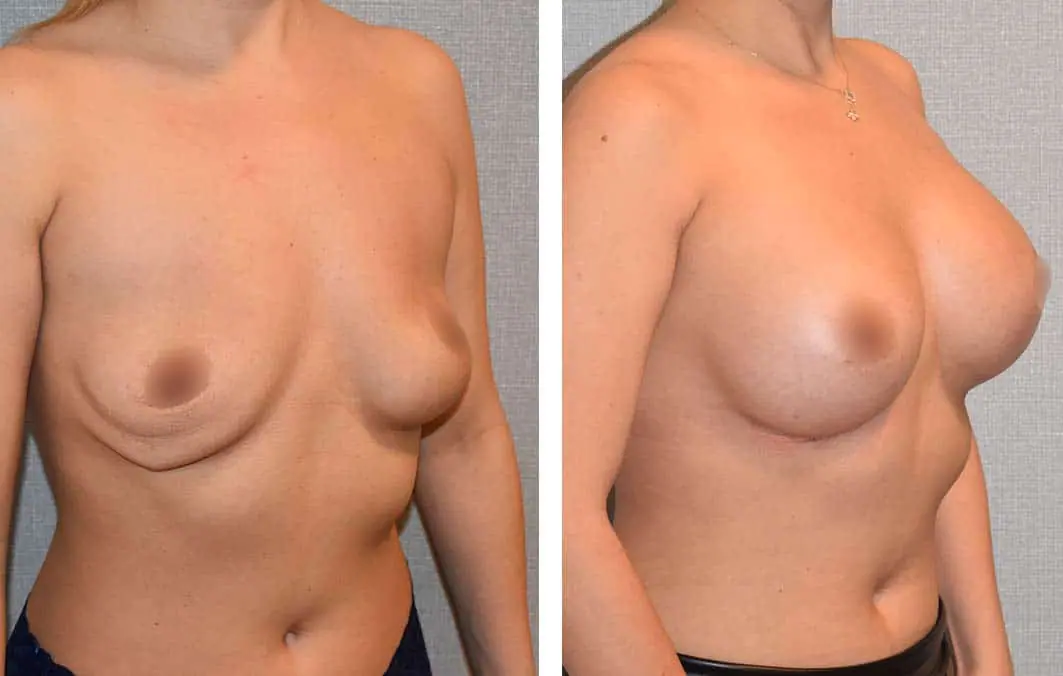
Breast Implant Revision
Case 1
Individual results may vary.

Breast Implant Revision
Case 1
Individual results may vary.
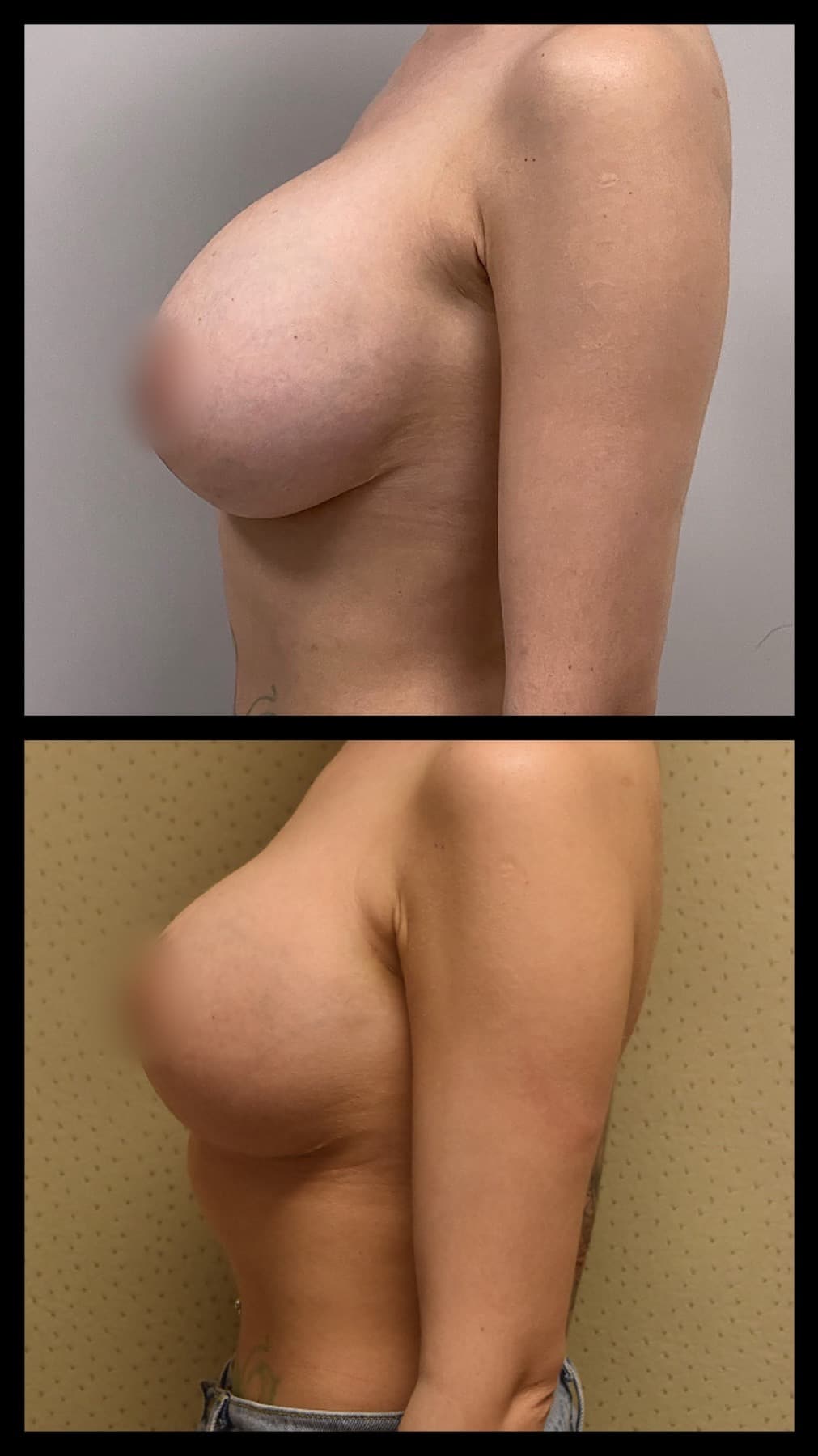
Breast Implant Revision
Case 2
Individual results may vary.
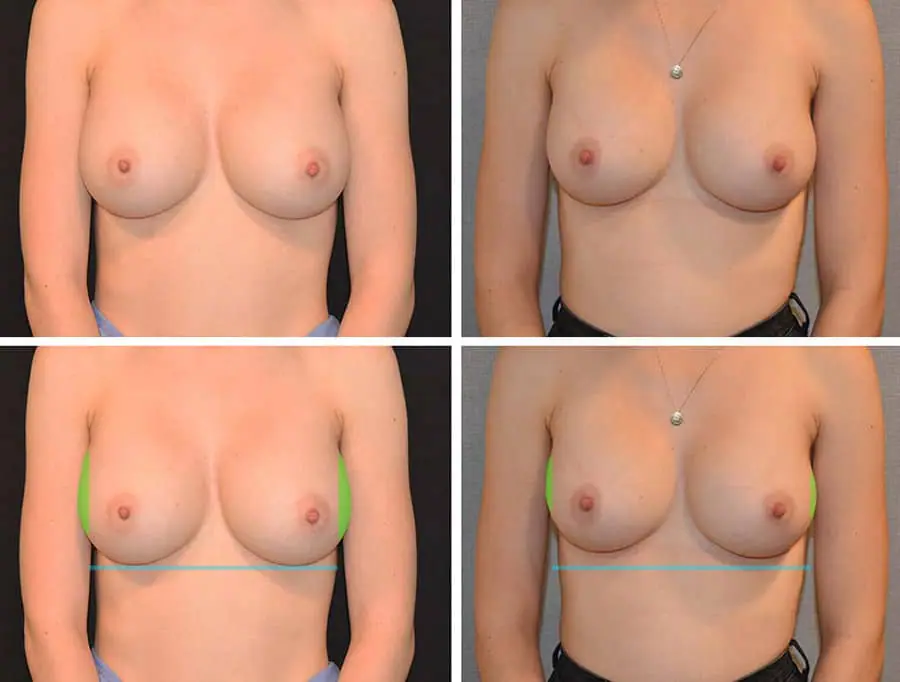
Breast Implant Revision
Case 3
Individual results may vary.
Individual results may vary.
Breast Implant Revision is a common consideration for many individuals who’ve previously undergone augmentation or reconstruction.
At our Manhattan clinic, Dr. Darren M. Smith, board-certified by the American Board of Plastic Surgery and fellowship trained in both aesthetic surgery and craniofacial surgery, performs each procedure with precision and care.
If your current implants aren’t meeting your expectations or causing discomfort, Dr. Smith is dedicated to helping you achieve the look and feel you desire. Every procedure we perform reflects our commitment to patient satisfaction from consultation through surgery and aftercare.
Breast implant revision refers to any operation that is performed to change the size, shape, type, or position of existing breast implants. These procedures may be performed in the setting of cosmetic surgery (to enhance the appearance of the breasts) or reconstructive surgery (e.g. after mastectomy for breast cancer). Patients often have revision breast surgery to replace older implants with newer ones, and in these procedures often end up switching from saline to more modern silicone gel.
Over the years, breast implants and the breast tissue itself might undergo changes in shape or size, leading to a look or feel different from the original result. One may decide to undergo breast implant revision for many different reasons. We will review some of the more common ones here.
Implant Failure: Breast implants are not intended to be lifelong devices. While they often last longer, we say 10 years is a reasonable expectation for the longevity of these products. When an implant ruptures, it needs to be replaced.
Changes in Breast Shape: Over time, aging and gravity tend to change the size and shape of the breasts and may affect the position or shape of the implant packet. Pregnancy and breastfeeding may have these effects as well.
These cases can be complex as the two breasts may change differently over time, requiring that different procedures be performed on each side to improve symmetry.
Lifestyle Changes: Someone who wanted larger implants earlier in life may decide to downsize later, or the opposite may be true. Whatever the reason, perhaps an increase or decrease in activity level, the implants that were the right size when they were placed may no longer fit your needs in the present.
New Technology: New implants are always being developed. We frequently see patients that would like to exchange their older saline implants for modern silicone implants that look and feel more natural.
Capsular Contracture: This is an uncommon complication of breast augmentation in which the scar, or capsule, around the implant begins to shrink. This can cause discomfort as well as changes in the shape and height of the breast implant.
While many breast implants come with a comprehensive warranty, it’s worth noting that these programs can vary from manufacturer to manufacturer. It is important to understand your plan if you decide to undergo an implant revision, as it can significantly affect your degree of financial responsibility.
In addition to addressing problems with breast implants that evolve over long periods of time, breast implant revision surgery can rectify issues stemming from an early problem with the original procedure.
Examples of such issues include early capsular contracture, where the scar tissue surrounding the implant tightens excessively, “double bubble” phenomena where the implant slips below the breast crease, and “bottoming out” when the implant settles too low on the chest.
Symmastia is another unfortunate outcome in which the implants are placed too close together and the pockets merge across the center of the chest. How soon can you get a breast revision after breast augmentation?
Typically, 6 to 12 months is the advised waiting period for a breast implant revision without capsular contracture. This allows the implants to settle into their final position and for your tissue to heal before assessing your results.
Allowing this amount of time to pass also makes the revision surgery itself more straightforward. In cases of capsular contracture, we may operate sooner to relieve discomfort or address significant cosmetic problems. This allows for body healing and surgical assessment.
With time, personal preferences change. You might find yourself desiring a different shape, size, or type of breast implant than what you originally chose. It’s perfectly natural, and revision surgery can address these evolving desires.
Although not immediately life-threatening, an implant rupture due to either physical trauma or the natural aging process of the implant material demands attention. It’s crucial to address this to prevent complications such as infections or excessive scar tissue formation.
Sometimes, implants may shift significantly from their intended position. This displacement can arise from an overly expansive implant pocket or when excessive tissue is dissected free from the breastbone. Revision surgery can correct these placements.
The body might sometimes produce excessive scar tissue around the implant. This abnormal scar tissue can threaten the initial augmentation’s success, leading to discomfort and necessitating a revision surgery.
Various issues can arise post-augmentation, such as the “double bubble” effect, implants “bottoming out,” symmastia, or other forms of implant malposition. These complications require expert intervention.
Sometimes a breast augmentation just doesn’t look quite right. If the results of your initial breast augmentation didn’t meet your expectations for any reason, revision surgery stands as an option to address those concerns.
Breast implants, like all medical devices, have a lifespan. With time, changes in implant shape or the natural aging of overlying breast tissue might alter the initial look. To keep up with these changes, many opt for a revision around the 10-year benchmark (this timing varies significantly from person to person).
When tackling sensitive issues like this, it’s vital to consult with an expert, like board-certified plastic surgeon Dr. Darren M. Smith, to chart the best course tailored to your specific needs and aspirations.
It’s essential to understand who this procedure is most suited for. Here are some general guidelines to determine if you might be a good candidate.
| Characteristics | Description |
| Dissatisfaction with Appearance | Dissatisfied with the current size, shape, or look of your implants. |
| Concerns about Implant Integrity | Worries regarding the current condition or longevity of your implants. |
| Health and Weight | You are in good health and maintain a stable weight. |
| Expectations | You hold practical hopes for the outcome. |
| Lifestyle | Ideally, you should be a nonsmoker. The practice requires no nicotine in any form for 4 weeks before and 4 weeks after the procedure, and tests for it. |
Breast revision surgery starts with a thorough consultation. Here, Dr. Darren M. Smith will discuss your objectives, address any concerns, and guide you through implant types, whether saline or silicone. Together, you will decide on the size and shape based on your profile and desired outcome. Canfield Vectra 3D imaging is used to help with these decisions.
The procedure is typically performed under general anesthesia, provided by a board-certified anesthesiologist, so you are asleep and will not feel the surgery. Soreness and tightness in the chest are expected afterward and are managed with medication.
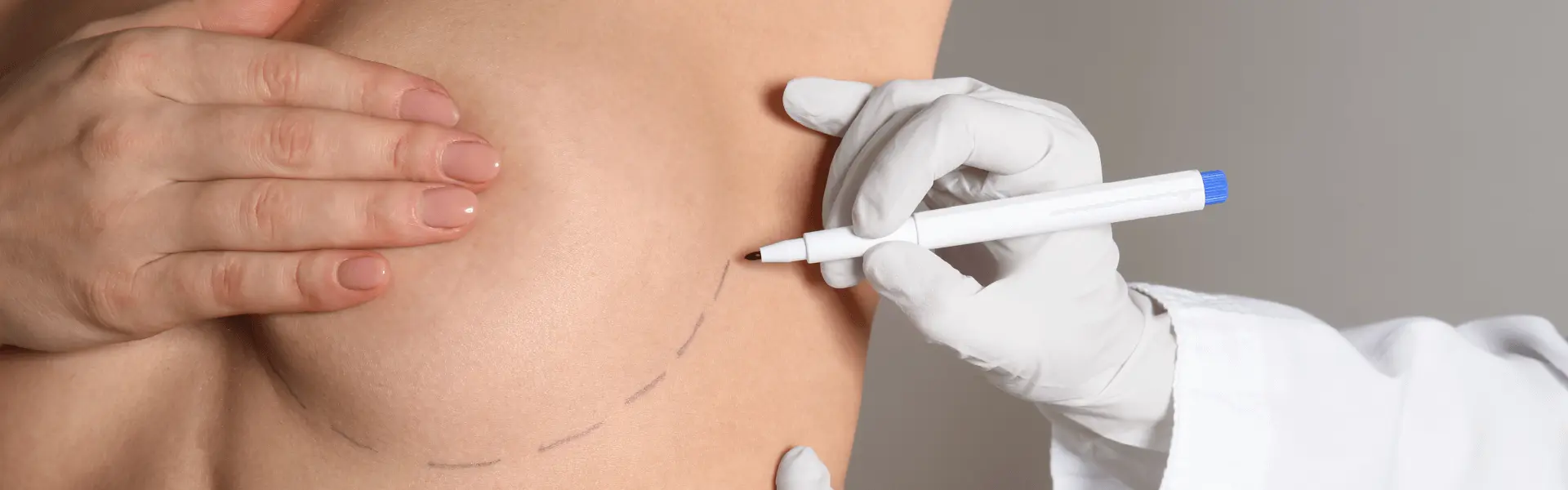
To minimize any additional scarring, the incision is generally made at the same spot as your prior breast surgery. The nature of the incision can differ, but commonly utilized methods include an incision in the fold under the breast (inframammary fold), at the lower portion of the areola (periareolar), or using an existing breast lift incision. Trans-axillary incisions (through the armpit) generally are not used for these procedures as they do not offer the same degree of control over the breast pocket.
The forthcoming steps depend on the reason for the revision:
Dr. Smith performs a precise closure to support the best scar possible. Scars fade over time but do not disappear. In some cases, dissolvable sutures are used. In other cases, the stitches are removed 10 to 14 days after surgery.
After the procedure, expect a brief monitoring period before heading home. Following the guidelines Dr. Smith gives you supports a smoother recovery. The recovery duration depends on the procedure’s complexity. Simple implant replacements allow a return to work in about 2 days, while combined procedures might extend recovery to approximately 1 week for most patients.
Revision surgery can often reuse your previous breast surgery scars rather than adding new ones, though this depends on where the original incisions were placed and what the revision needs to accomplish. Some revisions do require a different or longer incision. What your procedure involves depends on the change you want and on the implant-related issue being addressed.
There is no single operating time for breast implant revision. An implant exchange differs from a revision involving the implant pocket, scar tissue, breast asymmetry or a breast lift. At consultation, ask which steps are needed in your case and how they affect operating time, as well as the total time to allow for your surgery visit.
We generally say breast implants need to be replaced after 10 years. While this is a reasonable expectation, this number is very variable. There is no universal time frame for replacement.
There is no exact number here. Many factors come into play including implant type, patient activity level, and more. While 10 years is the conventional wisdom, we have seen patients in their seventies that have had their implants since their thirties. Rarely, an implant may rupture early due to trauma or other issues.
The healing timeline may vary for each individual, but generally, it follows a pattern. Here’s a comprehensive table that outlines the expected stages of recovery post-surgery:
| Recovery Phase | Description |
| Immediate Post-Surgery | Bandages or gauze might cover your incisions. A support bra or garment may be used. In certain cases, a drainage tube is temporarily placed under the skin to manage excess fluids. |
| First Few Days | Discomfort, especially with larger implants or those under the pectoral muscle, is common. Breasts might feel tight, sensitive, warm, or itchy. |
| First Week | The amount of discomfort will decrease each day. Most patients can return to work during this period. |
| One to Two Weeks | External sutures, if any, are typically removed. Tissue glue or tape falls off independently. |
| First Month | Limit strenuous activities for the initial weeks. Expect most swelling to subside by the end of this period. |
| Six to Eight Weeks | By this stage, most individuals have recovered and can return to their normal activities. |
Remember, while this table provides a general overview, each individual’s experience might differ. Always consult with Dr. Darren M. Smith for personalized advice and guidance.
Be mindful of potential side effects like discomfort, swelling, altered nipple or breast sensation, and, although rare, complications like infection or bleeding.
Breast Implant Revision Surgery is a nuanced procedure. Our team, led by Dr. Darren M. Smith, who is board-certified by the American Board of Plastic Surgery, guides you through every step, from consultation through surgery and aftercare.
Ready to discuss your options? Dr. Darren M. Smith performs aesthetic breast surgery in NYC. Schedule your Breast Implant Revision Surgery consultation today.
Dr. Smith’s practice is located at the Ritz Tower, 111 East 57th Street, Ground Floor, New York, NY 10022, in Midtown Manhattan. The office welcomes patients from across the five boroughs, the tri-state area, and well beyond.
New Yorkers come to Dr. Smith because his work is refined, exacting, and never one-size-fits-all. Whether you are a lifelong New Yorker or traveling in for a consultation, you will find a practice that treats every patient with precision and discretion.
YOUR NEXT CHAPTER
Discuss your priorities, ask questions and explore treatment options with our team.
Our practice is located at the Ritz Tower, 111 East 57th Street in Midtown Manhattan. We welcome patients from the five boroughs and the surrounding tri-state area. If you are traveling for care, explore our guide for out-of-town patients.
Request a consultation