Dorsocervical fat-pad reduction with VASER
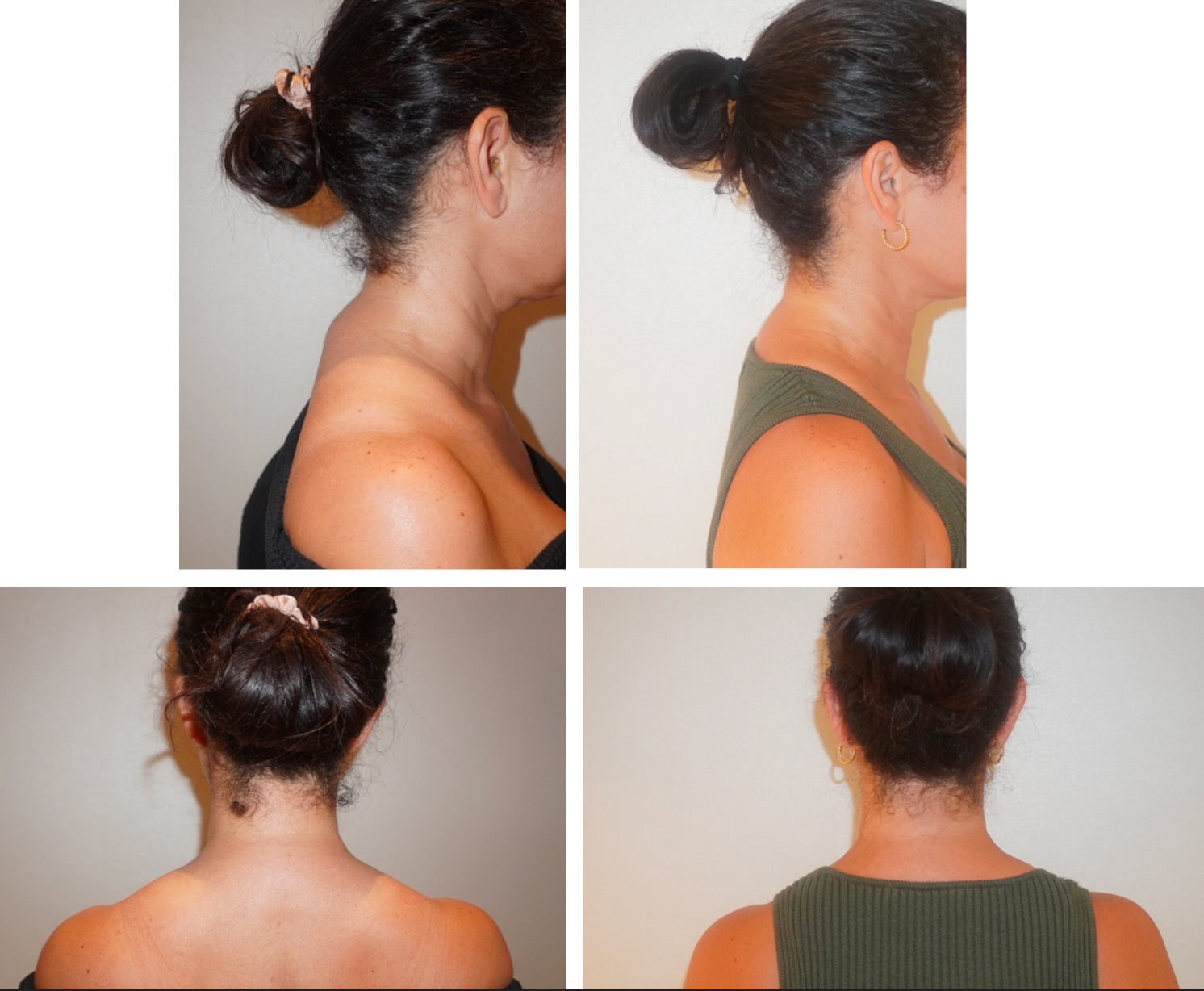


Are you self-conscious about a noticeable bump on the back of your neck? It can develop from a build-up of fatty tissue at the base of the neck, and it can affect how clothes fit and how you feel about your appearance.
Liposuction is a minimally invasive procedure that can reduce a buffalo hump when the hump is made of fat. As one of the top surgeons in New York specializing in this technique, Dr. Darren M. Smith uses advanced liposuction methods to contour the entire neck area.
The first question is whether the prominence is fat, a spinal or postural change, or a combination. Your consultation includes an examination and review of your medical history, weight changes and medicines. A medical contributor may need evaluation and treatment before cosmetic surgery is considered. Liposuction addresses the fat component only.
A buffalo hump is fatty excess of the dorsocervical fat pad. The fat sits at the base of the back of the neck and between the shoulders and leaves a noticeable hump. Excess body weight is a very common cause of a buffalo hump, but other factors and medical conditions may contribute as well. Some common causes that contribute to this accumulation include:
A dorsocervical fat pad is a collection of fat at the base of the neck. A prominence from spinal curvature is a different problem, and both may coexist. Liposuction can reduce fat; it cannot straighten the spine or treat osteoporosis. Examination is needed before deciding whether surgery could help.
BEFORE & AFTER PHOTOGRAPHS
Explore photographs from our dorsal cervical fat pad (buffalo hump) gallery. Individual results vary.
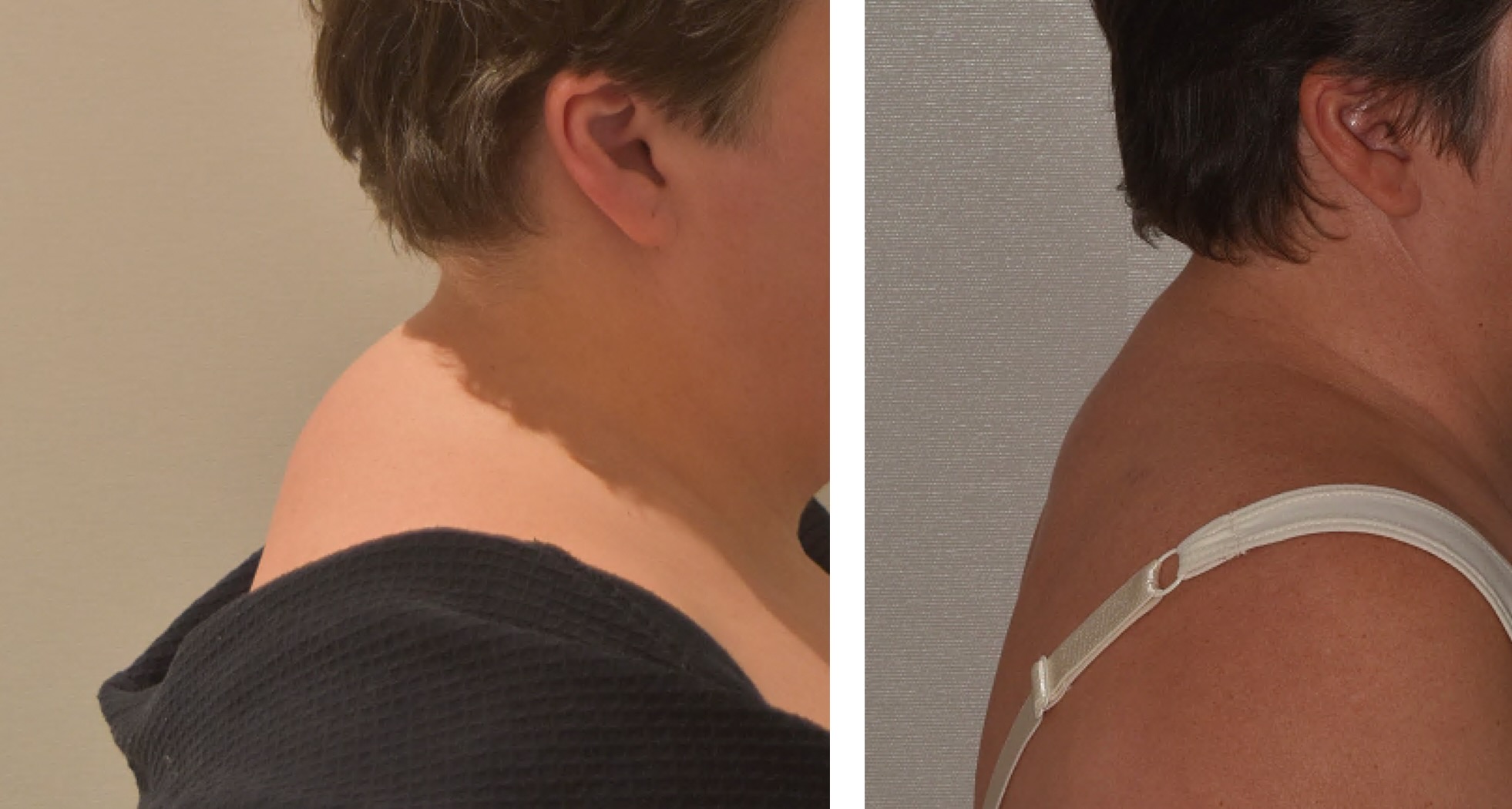
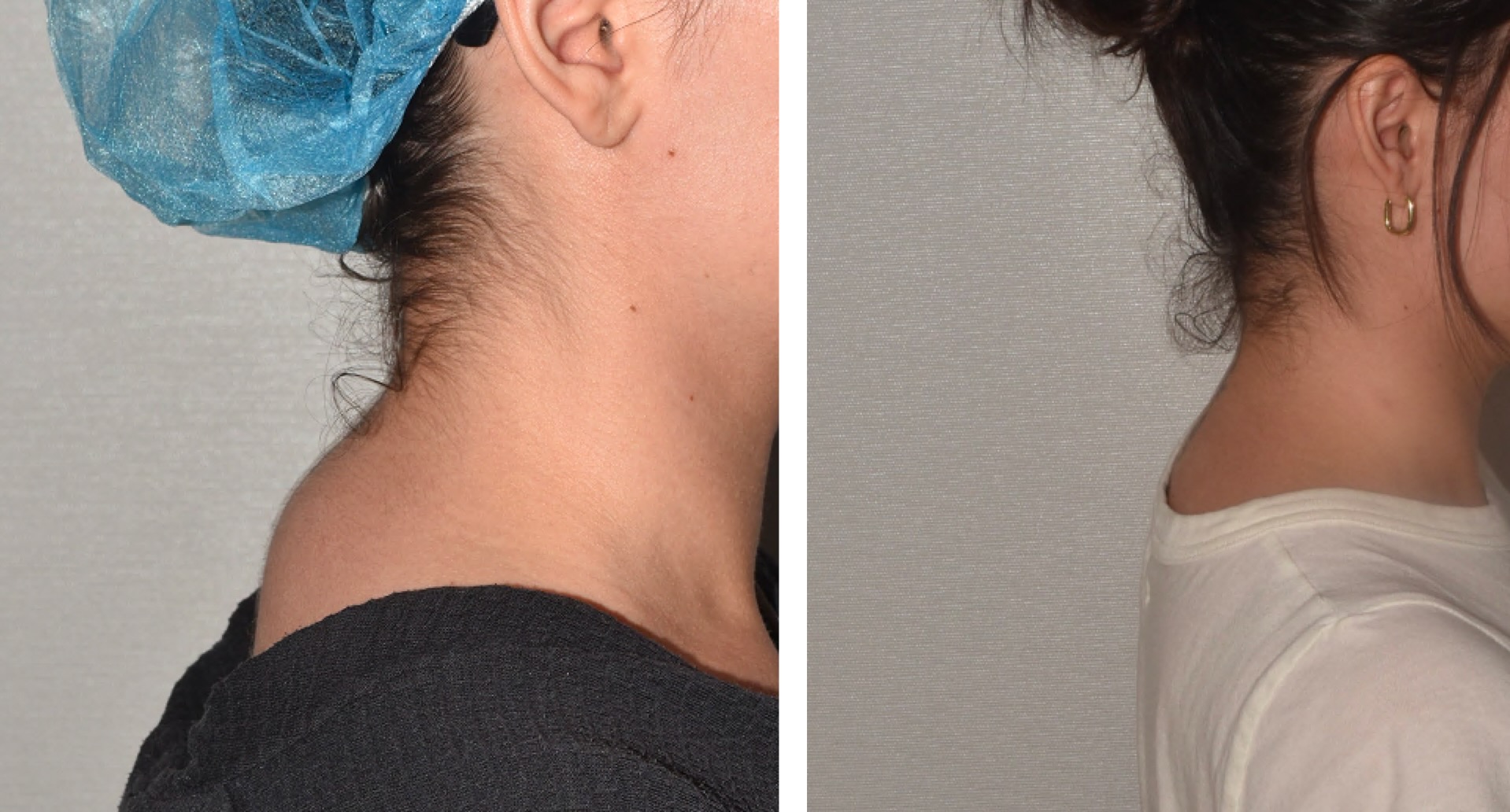
Discuss your goals and the treatment options for your anatomy with Dr. Darren M. Smith at a consultation in New York City.
Liposuction can reduce the fat component of a dorsocervical prominence in an appropriate surgical candidate. Surgery does not treat the condition or medication effect that may have contributed. Techniques such as VASER liposuction can be used to treat this fibrous fat. Dr. Smith does not offer AirSculpt.
If you have a hump at the base of your neck, visit Dr. Smith for your initial consultation.
VASER uses ultrasound energy to loosen fat before suction. It is one tool Dr. Smith uses for fibrous tissue; the result still depends on the anatomy, treatment plan and technique.
AirSculpt is another practice's branded liposuction offering. Dr. Smith does not offer it, and questions about how it performs are best put to a practice that does.
Power-assisted liposuction is also highly effective due to its ability to gradually dislodge tough, intertwined tissues through mechanical vibrations.
Advanced energy-based technologies can help with buffalo hump treatment by smoothing the transition between contours. Dr. Smith will decide at consultation whether an energy-based device adds anything in your case.
The first step is a comprehensive consultation where Dr. Smith will thoroughly examine the hump and neck area, take your medical history, and assess if you are an ideal candidate. This allows customizing a surgical strategy tailored to each patient’s needs.
Review all medicines and supplements with your surgical team before surgery. Any plan to pause a prescribed blood thinner must be coordinated with the prescribing clinician; do not stop it on your own. No nicotine in any form for 4 weeks before and 4 weeks after, and the practice tests for it.
For buffalo hump removal, Dr. Smith often uses power-assisted liposuction along with VASER ultrasound technology. Ultrasound loosens the fat before suction, but it also adds heat-related risks that need to be discussed as part of the treatment plan.
First, Dr. Smith will make small incisions in the treatment site. Then, the dense fat of the hump is suctioned away using a cannula. This leaves you with a smoother, flatter back profile.
Wear the compression garment continuously for the first 48 hours, then as much as possible for one month. Follow your individual wound-care instructions for showering and garment removal.
Right after surgery you will stay in one of our aftercare suites for a short time. Then you will be released to go home. Do not drive yourself. Arrange a ride with someone you trust who can take you home once you are ready for discharge.
Dr. Smith performs buffalo hump removal using local anesthesia. So you’ll feel numb but remain awake during the less than one hour procedure. If you prefer to be partially or completely asleep, we will arrange for our board certified anesthesiologist to provide IV sedation (“twilight anesthesia”) or general anesthesia as appropriate.
While liposuction is minimally invasive, swelling, bruising, and soreness often occur after surgery. These issues gradually improve over the following days. Many patients rely on over-the-counter medications to ease any discomfort experienced.
Buffalo hump liposuction recovery involves swelling, bruising and soreness. For planning, allow about one week before desk or remote work. This is an estimate based on the light-activity milestone; your duties, healing and Dr. Smith’s instructions determine your return. A combined operation may need a longer or more restrictive plan.
Light exercise begins at one week, with a gradual return to full activity from two weeks as healing allows. Running, jumping and other high-impact exercise follow the two-week milestone; contact sports need separate clearance.
Discomfort usually fades over the first week, though some patients are sore for longer. Follow the aftercare instructions Dr. Smith gives you.
The fat cells removed by liposuction do not come back, though the fat cells left behind can enlarge if your weight goes up. You will usually see a change in your contour within a couple of weeks, but the final result only emerges once the swelling has settled.
It generally takes 3 to 4 months for the final result to appear, as the swelling gradually decreases over that period.
Recurrence depends partly on the cause of the fat accumulation and subsequent weight changes. A contributing medical condition needs appropriate ongoing care. Any medication changes must be made by the prescribing clinician; surgery is not a reason to stop treatment on your own.
If weight gain caused the hump, the fat cells that were removed do not grow back. If you put on significant weight afterward, the fat cells remaining in the area can enlarge and a second procedure may be needed. That is uncommon.
Removing the fatty hump and smoothing the upper back flattens the profile at the base of the neck. How much change you see depends on the size of the hump and on your skin. With larger buffalo humps, the procedure can improve the appearance of the neck region from the front as well as the sides and back.
Beyond appearance, buffalo hump liposuction can make clothes fit better across the neck and shoulders.
The fat cells removed do not return, so the result is durable as long as your weight stays stable. It is not immune to weight gain, or to the underlying condition that caused the hump in the first place. Dr. Smith aims for a symmetric, natural contour.
Buffalo hump liposuction carries the risks of any surgery. Loose skin or numbness can occur. Numbness usually fades over weeks, though it can persist. Other risks include
Dr. Darren M. Smith is board-certified by the American Board of Plastic Surgery and performs this procedure regularly. Proper post-operative care and a stable weight also help healing.
Fees for buffalo hump liposuction are quoted individually after your consultation and depend on the extent of fat removal and the type of anesthesia used. Your quote itemizes the surgeon’s fee, anesthesia, and facility charges. Financing is available through CareCredit and Alphaeon Credit, and the $500 consultation fee is applied toward any procedure you book.
Dr. Smith uses VASER ultrasound with power-assisted liposuction to work through the dense, fibrous fat of the dorsocervical pad. He assesses skin quality and blends the treated area into its surroundings. Instrument choice alone does not guarantee a smoother result, less bleeding or a lower recurrence risk.
For planning, allow about one week before desk or remote work. This is an estimate based on the light-activity milestone; your duties, healing and Dr. Smith’s instructions determine your return. Light exercise begins at one week, with a gradual return to full activity from two weeks as healing allows. Running, jumping and other high-impact exercise follow the two-week milestone; contact sports need separate clearance.
You may notice some improvement within the first couple weeks after surgery as the swelling subsides. However, final results become apparent around 3-4 months post-op once all swelling has resolved.
If the hump was due to excess fat, the removed fat cells are permanently gone. However, significant weight gain or a medical condition causing fat accumulation could lead to recurrence through growth of remaining fat cells in the treatment area. Maintaining a stable weight helps preserve your results.
Liposuction can reduce a fatty dorsocervical pad in an appropriate surgical candidate. It does not correct a spinal deformity or treat an endocrine condition. Dr. Smith examines the prominence and reviews your health and medicines before discussing surgery; further medical evaluation may be needed.
With expertise in body contouring procedures and advanced training in plastic and reconstructive surgery, Dr. Smith brings specialized skills and artistry to buffalo hump treatments.
Dr. Smith is board-certified by the American Board of Plastic Surgery and knows the anatomy of this region. He aims for a natural, balanced contour, and he will tell you what he thinks is achievable in your case.
For those seeking an improved appearance and confidence through buffalo hump reduction, Dr. Smith’s extensive training and experience shape the plan. He will tell you at consultation what result he thinks is realistic.
A private consultation allows thorough evaluation and planning of the right customized approach.
Dr. Smith’s practice is located at the Ritz Tower, 111 East 57th Street, Ground Floor, New York, NY 10022, in Midtown Manhattan. The office welcomes patients from across the five boroughs, the tri-state area, and well beyond.
Choosing where you have surgery matters as much as choosing who performs it. Whether you are a lifelong New Yorker or traveling in for a consultation, you will find a practice that plans each case individually and keeps your care private.
YOUR NEXT CHAPTER
Discuss your priorities, ask questions and explore treatment options with our team.
Our practice is located at the Ritz Tower, 111 East 57th Street in Midtown Manhattan. We welcome patients from the five boroughs and the surrounding tri-state area. If you are traveling for care, explore our guide for out-of-town patients.
Request a consultation