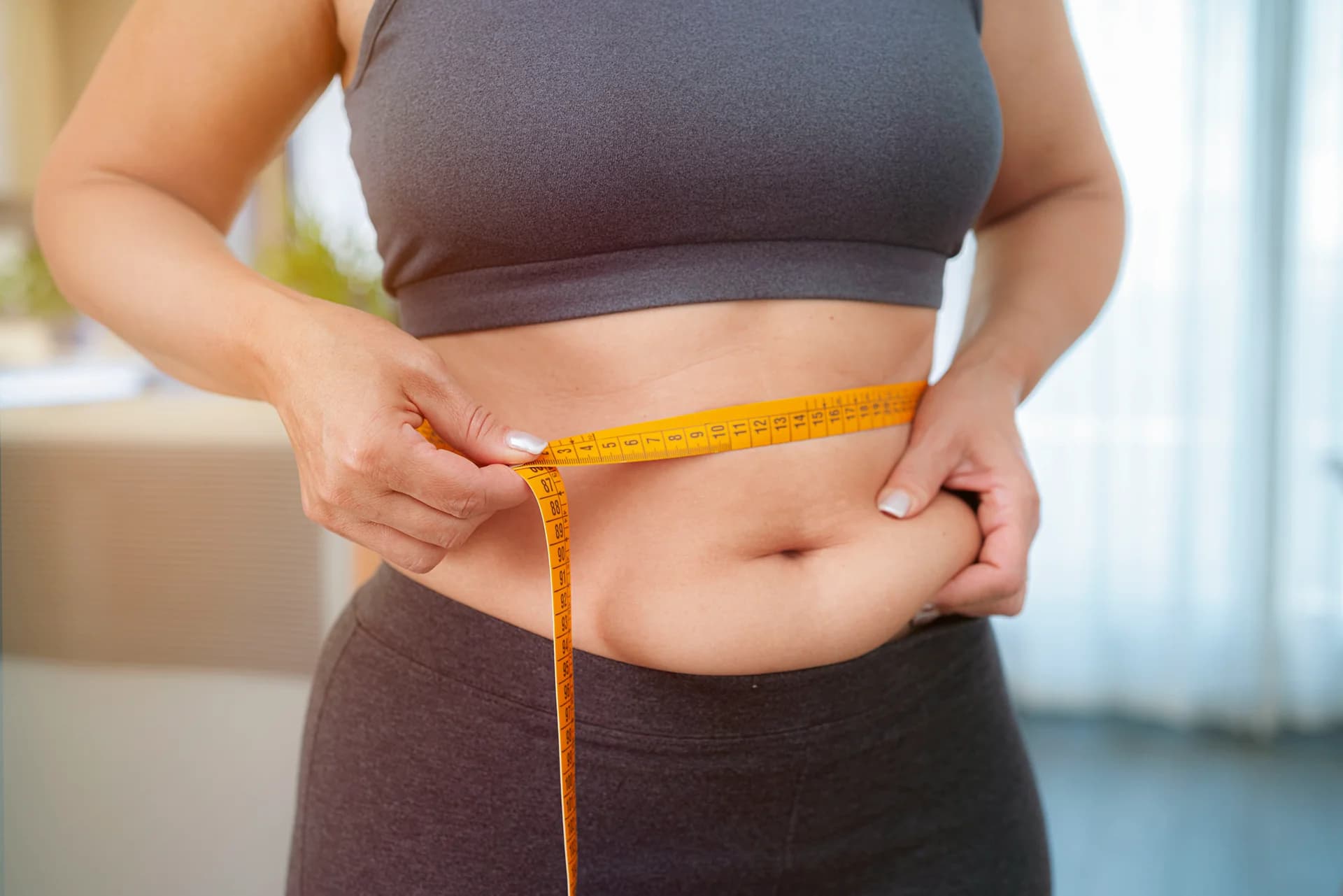










You spend months at the gym, yet your legs never change size. This experience feels incredibly isolating.
Many women believe they just need to work harder, whereas in reality, they might be living with a fat disorder that has nothing to do with willpower.
Lipedema is a chronic condition that affects nearly 11% of women worldwide. It is commonly misunderstood by healthcare providers and often misidentified as obesity. Doctors usually suggest weight loss, but this subcutaneous fat is resistant to diet and exercise.
In this article, we compare lipedema fat vs regular fat. We cover everything from metabolic resistance to specific symptoms like pain and bruising, helping you find the right path to relief.
Key Takeaways
- Lipedema is a chronic medical disorder, not a result of overeating or a lack of exercise.
- This specific fat is highly metabolically resistant, meaning it persists even when you maintain a strict calorie deficit.
- Unlike regular weight gain, this condition can cause tenderness, bruising, and a distinct nodular texture under the skin.
Understanding Normal Body Fat
To understand why lipedema is different, you must first understand how a healthy body stores energy. Not all fat is the same. Your body uses different adipose tissue types for various biological needs.
The Four Types of Adipose Tissue

Medical research identifies four distinct fat depots in the body. Each one serves a specific purpose for your health.
- Subcutaneous fat is your body’s primary — and protective — energy vault. It actively absorbs circulating fats and produces key hormones. When this depot maxes out, excess lipids spill into visceral and organ sites, explaining why people at the same weight can have vastly different metabolic health.
- Visceral fat is the most metabolically active and most dangerous in excess. It resists insulin, floods the liver with free fatty acids, and drives inflammation. The upside: it’s the first fat to shrink with exercise and dietary changes.
- Gynoid fat (hips and thighs) is genuinely cardioprotective. Shaped by estrogen, it’s linked to lower cholesterol, triglycerides, and heart disease risk. After menopause, declining estrogen shifts storage toward the abdomen, raising cardiovascular risk.
- Bone marrow fat is a lesser-known player — serving as a local energy reserve that communicates with bone and blood cells. It’s distinct from ectopic fat inside organs like the liver and heart, which is pathological.
How Regular Fat Responds to Weight Loss
When you maintain a calorie deficit, your body looks for fuel. It usually pulls energy from visceral fat first. Then it targets regular subcutaneous fat. This metabolic response is why diet and exercise lead to weight loss for most people.
In a healthy body, fat distribution remains relatively proportional. As you lose weight, you get smaller all over.
What Is Lipedema Fat?
Lipedema is a chronic disorder that specifically targets hormone-dependent fat. It is a medical condition, not lifestyle-induced obesity. While regular weight gain develops from a calorie surplus, lipedema is hormonally influenced and is caused by genetics and lymphatic issues.
See how lipedema fat differs from obesity in this short video.
Lipedema Fat Composition and Characteristics
This condition causes hypertrophied fat cells to grow uncontrollably. These cells are much larger than normal adipocytes. The fat also contains a high amount of hyaluronic acid. This acid attracts water, creating a gelatin-like consistency in the tissue.
If you feel the affected area, you will notice a nodular texture. Patients often describe the sensation as “small pebbles” or “rice grains” under the skin. Some say it feels like a bag of foam balls. This tissue also suffers from chronic inflammation, which changes how the fat behaves and feels.
Understanding normal fat vs lipedema fat helps clarify why these physical sensations occur only in diseased tissue.
Where Lipedema Fat Accumulates
The fat distribution in this condition follows a particular bilateral symmetry. It affects both sides of the body equally. It primarily targets the lower extremities and the upper arms.
One of the most telling signs is the body disproportion. A woman may have a small upper body and an extra-large lower body. Another key indicator is the presence of ankle/wrist cuffs. Fat accumulation abruptly stops at the joints. This creates a “cuff” look because the feet and hands remain thin.
Doctors categorize the condition into five types based on location:
- Type I: Fat focuses on the buttocks and hips.
- Type II: Fat spreads from the pelvis to the knees.
- Type III: Fat extends from the pelvis down to the ankles.
- Type IV: The condition affects the arms.
- Type V: The fat only accumulates on the lower legs.

We describe lipedema as progressing through four stages of severity:
Stage 1: Skin surface is smooth. The fat layer is thickened but uniform with small palpable nodules beneath the surface.
Stage 2: Skin becomes uneven with a mattress-like texture. Larger nodular masses form, and fibrosis begins.
Stage 3: Large lobular fat masses deform the leg contour. Significant fibrosis and tissue hardening impair mobility.
Stage 4: Lipedema with secondary lymphedema (lipo-lymphedema). The lymphatic system is compromised, and feet are no longer spared.

If you suspect you have lipedema, find a professional lipedema treatment provider near you.
Key Differences Between Lipedema Fat and Regular Fat
Doctors use specific physical signs to distinguish weight gain from this medical condition.
Physical Appearance and Texture

Diagnosis often starts in front of a mirror. Many patients first realize something is wrong when comparing their lipedema legs to their normal legs, noticing a distinct lack of definition around the knees and ankles that does not match their upper body.
You might notice your skin looks lumpy or “quilted,” even when you relax your muscles. Over time, your legs may lose their natural curves and appear like solid columns.
The symmetrical presentation is vital for diagnosis. If only one leg is swollen, the issue is likely something else. Lipedema always affects both legs. In advanced stages, large lobules of fat may even hang from the thighs or arms.
| Feature | Regular Fat | Lipedema Fat |
| Texture | Smooth and soft | Nodular texture (lumpy) |
| Distribution | Proportional all over | Disproportionate fat distribution |
| Skin Look | Smooth | Skin dimpling (cottage cheese look) |
| Extremities | Affects hands and feet | Spares hands and feet (Ankle cuffs) |
| Shape | Rounded curves | Column-like legs and lobules |
Response to Diet and Exercise
The most critical difference is how these fat types react to lifestyle changes. Regular fat responds to exercise and diet. When you create a calorie deficit, your body burns that fat for fuel. You can lose this weight through standard lifestyle changes.
Lipedema fat is different. It is defined by extreme diet resistance and exercise resistance. Because this tissue has a high metabolic resistance, it remains even during extreme calorie restriction.
You may see a woman who is malnourished in her upper body while her legs remain large. This ineffectiveness in weight loss often leads to deep frustration. Patients feel like they are “not trying hard enough,” even though their biology is the real obstacle.
Research comparing normal fat to lipedema fat shows that these patients lose significantly less body fat percentage than BMI-matched individuals with standard obesity on the exact same plan.
Pain and Symptoms
While regular fat does not cause skin sensitivity, lipedema fat causes physical pain and tenderness. Patients often experience bruising, persistent swelling, and heaviness in their limbs.
This pain happens for several medical reasons:
- Nerve compression from fluid buildup
- Inflammation in the fat tissue
- Damaged blood vessels
- Lymphatic issues and dysfunction (In advanced stages, this dysfunction can lead to lymphedema)
These symptoms are not constant. They usually worsen throughout the day or after prolonged standing. For many women, the tissue becomes so sensitive that even a light touch feels agonizing.
Cellular and Metabolic Differences
Science proves that this fat is chemically different from normal tissue. A 2021 study in the International Journal of Obesity highlighted these cellular gaps.
Adipocyte hypertrophy is much more common in these patients. The cells contain more fat droplets per cell than normal. The lipid metabolism is also different. These cells have higher levels of glycerophospholipids and sphingolipids.
Furthermore, the tissue has a higher number of adipose-derived stem cells. These cells have a very high cell proliferation rate. Researchers even found an overexpression of the Bub1 gene. This gene expression is usually seen in cancer cells because it promotes rapid growth. This explains why the fat grows so aggressively and resists traditional burning.Because this fat does not respond to standard weight-loss methods, finding the best treatment for lipedema often requires a combination of specialized therapies and medical interventions.