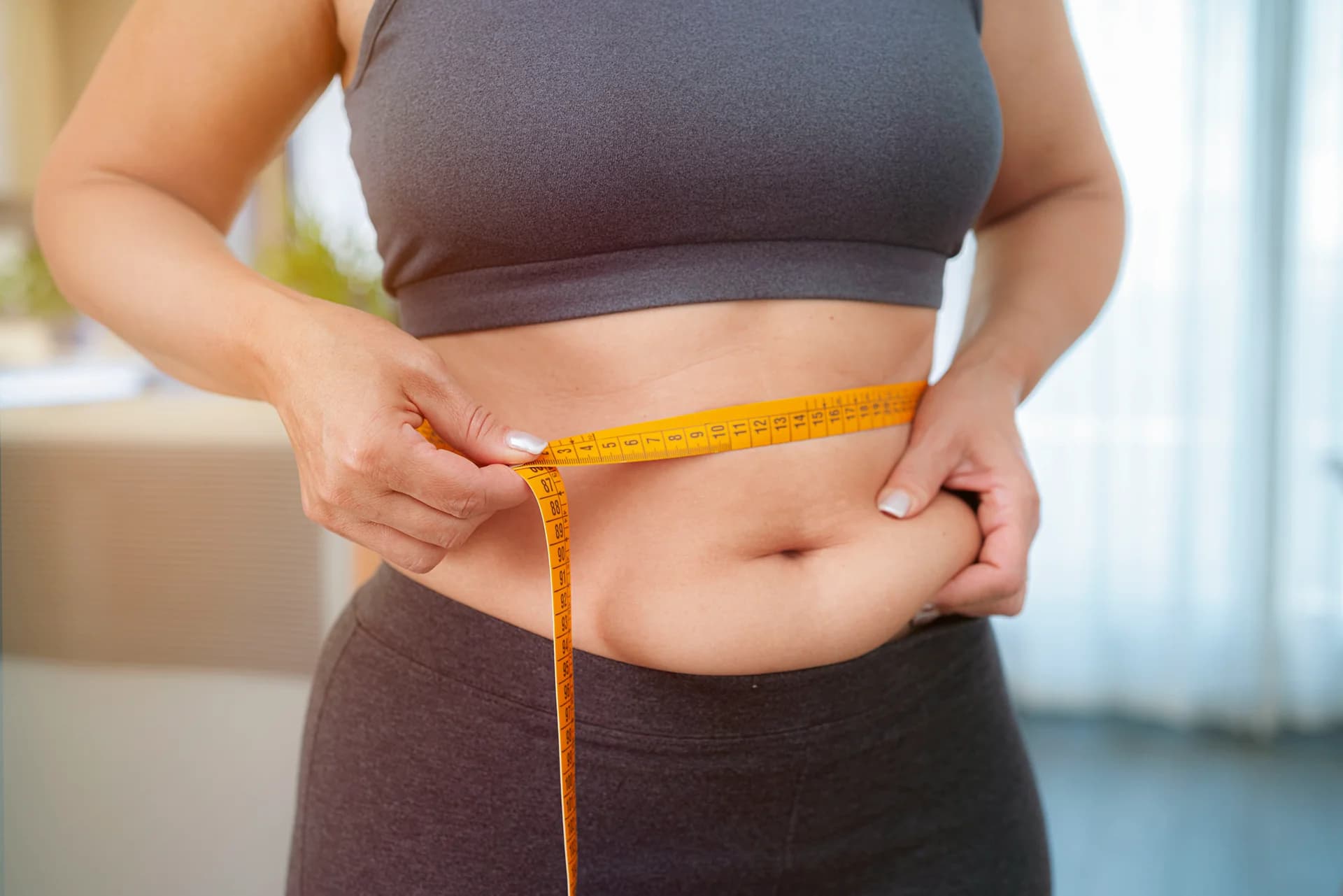










Lipedema is a chronic, progressive disease that affects millions, causing disproportionate fat accumulation, pain, and reduced mobility. If you’re living with this condition, you understand how deeply it affects quality of life: physically, emotionally, and socially.
While there’s no cure for lipedema, effective treatments exist to manage symptoms and improve your daily comfort. Your treatment approach depends on the stage of disease, severity of symptoms, and your individual goals, whether that’s pain reduction, enhanced mobility, or improved body contours.
In more advanced cases, tumescent liposuction may be considered when conservative options alone are no longer enough. Many patients achieve the best results when surgical care is combined with ongoing therapies such as compression and lymphatic support. Of course, guided by specialists who understand the complexities of lipedema.
Key Takeaways
- Lipedema is a progressive condition that responds poorly to diet or exercise alone, but symptoms can be managed through the right combination of treatments.
- Conservative therapies such as compression, manual lymphatic drainage, exercise, and nutrition form the foundation of care and remain important even after surgery.
- For moderate to advanced cases, lymph-sparing liposuction may offer lasting symptom relief when performed by an experienced lipedema specialist.
Understanding Lipedema Before Choosing Treatment
Lipedema is classified as a chronic condition that primarily affects women, where subcutaneous fat and adipose tissue tend to collect in specific areas such as the hips, thighs,and legs. The feet and hands usually remain unaffected, creating a distinct “column-like” appearance.
Lipedema also has a strong genetic predisposition, often running in families, and is closely linked to hormonal changes. Symptoms typically emerge or worsen during puberty, pregnancy, or menopause.
Often misdiagnosed as obesity or lymphedema, lipedema is different because the affected fat does not respond to diet or exercise, even with consistent effort. So it is managed differently from just normal weight gain.
Lipedema is progressive and worsens without proper treatment. Over time, symptoms lead to increased pain, reduced mobility, and potential development of secondary lymphedema in advanced stages.
Goals of Lipedema Treatment
Lipedema may require surgical intervention such as liposuction. However, because lipedema affects each person differently, treatment plans are typically tailored to your specific symptoms, the stage of the condition, and your personal priorities.
For many patients, the first focus is reducing pain, swelling, and inflammation while improving mobility. Supporting healthy lymphatic flow can also help ease heaviness and discomfort in the affected areas. Just as important is slowing the progression of the condition so symptoms don’t lead to more severe complications.
Treatment goals often extend beyond physical relief. Improving body confidence and emotional well-being plays a meaningful role in the overall quality of life. Tools like the QuASiL questionnaire (Lipedema Symptom Assessment) help track progress and measure treatment effectiveness.
It’s also important to understand that lipedema care is ongoing. Even after surgical intervention such as liposculpture (thigh liposuction), conservative treatments remain necessary for long-term symptom management.
Surgical Treatment: Liposuction as One of the Best Options for Lipedema
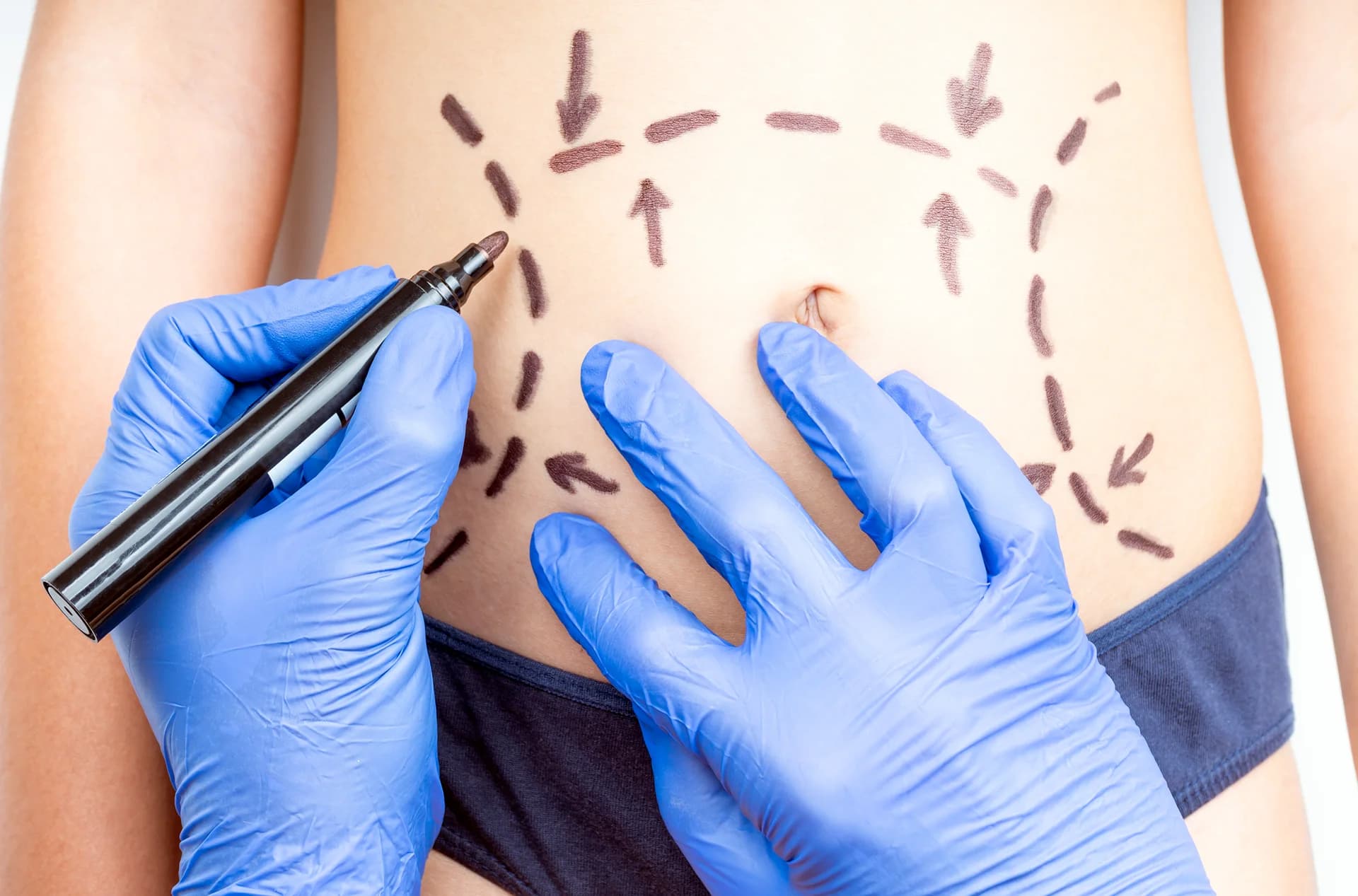
For moderate to advanced lipedema, liposuction stands as the only treatment that actually removes abnormal lipedema fat. Many patients report significant pain reduction, improved mobility, and reduced limb volume after fat removal.
But it’s important to know that lipedema surgery is very different from cosmetic liposuction. Specialized lymph-sparing liposuction techniques, including tumescent liposuction (awake liposuction) and water-assisted liposuction (WAL), carefully remove fat while also protecting the lymphatic system. This requires a surgeon with specific experience in treating lipedema, not just aesthetic body contouring.
Many procedures are performed as outpatient treatments, and some patients require multiple treatment sessions to address all affected areas comprehensively. Cases can be performed in a hospital setting to allow for higher liposuction volumes in fewer procedures. With proper post-surgical care and maintenance, results can last many years if not a lifetime.
Conservative (Non-Surgical) Treatments for Lipedema
Conservative treatment serves as the first-line therapy for lipedema and forms the foundation of Complete Decongestive Therapy (CDT). These non-invasive approaches focus on symptom management.
While they don’t remove lipedema fat, they are important before and after surgery. Most patients benefit from a multimodal approach tailored to their symptoms and stage of the condition.
Manual Lymphatic Drainage (MLD)
Manual lymphatic drainage (MLD) is a gentle form of massage therapy developed by Dr. Emil Vodder and Estrid Vodder to support the lymphatic system. Using light, rhythmic movements, MLD helps guide lymphatic fluid through areas affected by lipedema, which may ease swelling and discomfort over time.
Some patients also notice softer tissue as fibrosis gradually improves. Because technique matters, MLD should be performed by a Certified Lymphedema Therapist (CLT) who understands lipedema and its impact on the body.
Compression Therapy
Compression therapy is considered the gold standard for managing lipedema symptoms. Compression garments, including compression stockings and compression wraps, help with fluid accumulation prevention while providing steady lymphatic support.
Many patients benefit from custom-fitted compression garments that adapt to their shape and stage of lipedema. A trained compression fitter plays an important role in ensuring garments apply the right pressure without causing discomfort, making compression easier to wear consistently and more effective over time.
Pneumatic Compression Devices
A pneumatic compression device can be a helpful home therapy option for managing lipedema between clinic visits. These systems use intermittent pneumatic compression to gently move air through inflatable sleeves. The process encourages lymphatic fluid movement, which eases swelling.
Many patients use devices such as Flexitouch from Tactile Medical or Lympha Press as part of their regular routine. Comfort and long-term symptom control improve with consistent at-home compression alongside other therapies.
Physical Therapy and Exercise
Physical therapy and exercise play an important role in supporting mobility improvement, joint health, and lymphatic circulation, even though they don’t reduce lipedema fat.
Low-impact activities such as aquatic exercise and swimming, walking, yoga, Pilates, cycling, and gentle rebounding are often better tolerated and easier on the joints.
Working with a physical therapist or a Certified Lymphedema Therapist (CLT) helps ensure that exercises are tailored to your body, allowing you to stay active while minimizing pain and flare-ups.
Diet and Nutrition Management
Although lipedema fat doesn’t respond to calorie cutting alone, diet still plays an important role in reducing inflammation and managing obesity.
Many patients explore approaches such as an anti-inflammatory diet, ketogenic diet (keto way of eating), low-carb high-fat diet (LCHF), or the RAD (Rare Adipose Disorder) diet.
Research by Leslyn Keith, OTD, CLT-LANA, shows that nutritional changes may help reduce swelling and discomfort. Paying attention to food sensitivities can also help identify triggers that worsen symptoms.
Supplements and Medications
Certain supplements may help reduce inflammation and support lymphatic function, though they haven’t been tested by the FDA specifically for lipedema. Always consult your physician before beginning any supplement regimen.
Key anti-inflammatory supplements include:
- Selenium: May help reduce swelling and support the effectiveness of physical therapy
- Bioflavonoids (hesperidin, rutin, diosmin, quercetin): Help support capillary strength and fluid balance
- Pycnogenol: A plant-based antioxidant from grapeseed or French maritime pine
- Horse Chestnut Seed Extract: Often used to support vein health and reduce heaviness
- N-Acetyl Cysteine (NAC): Supports antioxidant activity and inflammation balance
- Butcher’s Broom: May support circulation
- Co-enzyme Q10 & Alpha-lipoic Acid: Support cellular energy and antioxidant function
- Turmeric: A widely used anti-inflammatory supplement
- Systemic Enzymes (Wobenzyme, Vitalzyme): Sometimes used for tissue and inflammation support
Note that diuretics are typically not effective for lipedema. In some cases, medications such as metformin or phentermine may be prescribed under medical supervision to address related metabolic concerns. But again, they do not remove lipedema fat.
Moving Forward with an Informed Lipedema Treatment Plan
Living with lipedema means facing challenges that most people don’t see or understand. But you don’t have to manage it alone or feel limited by outdated advice.
At our practice, we combine surgical expertise in lymph-sparing liposuction with comprehensive guidance on conservative therapies. Whether you’re just starting to explore treatment options or ready to discuss surgery, we’ll create a plan tailored to your stage of lipedema and your goals.
Ready to take the next step? Schedule a consultation to discuss your symptoms, treatment options, and what realistic results look like for your body. Call now or request an appointment online.