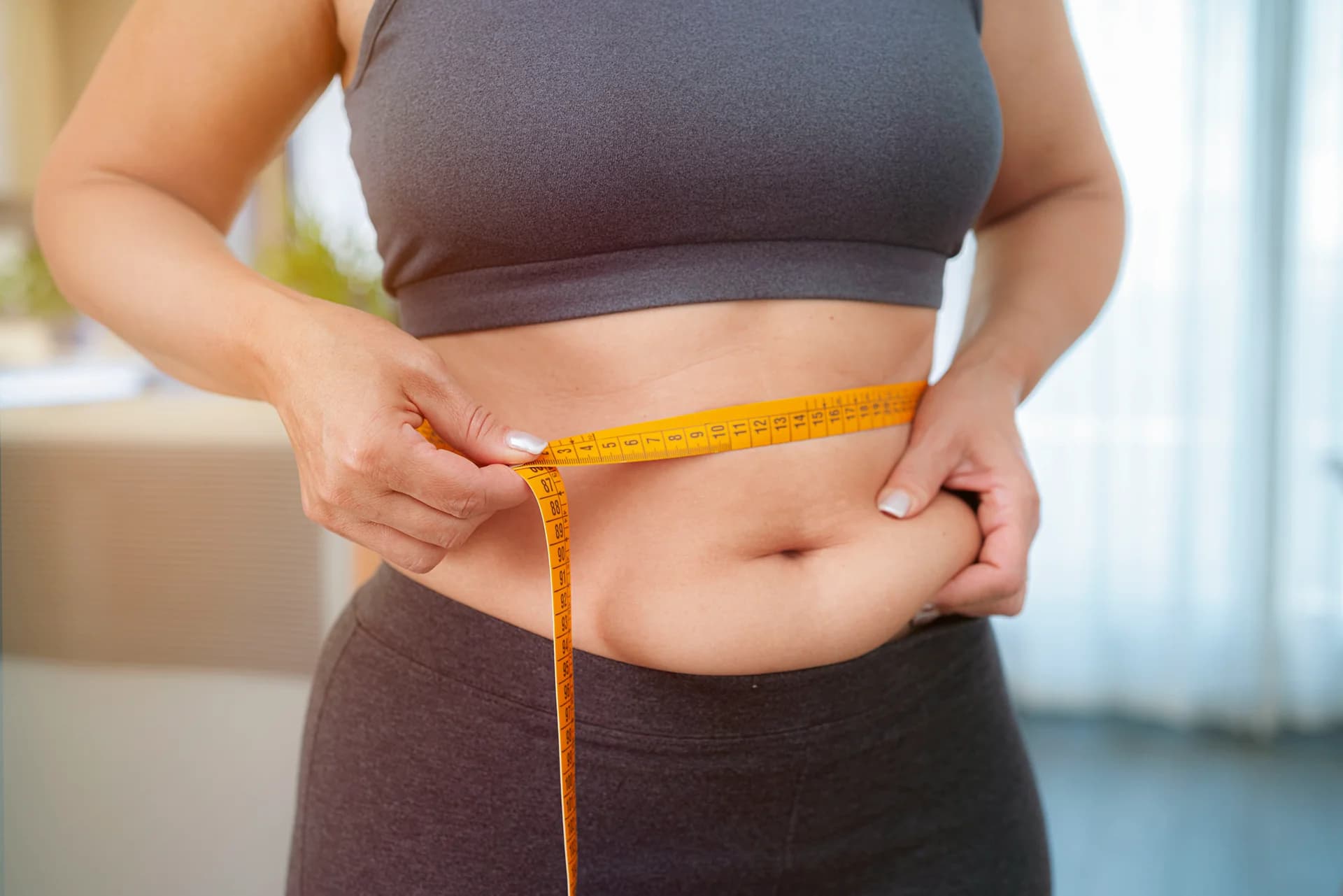










Many women struggle with lower body weight that refuses to budge despite a strict diet and exercise. This is often not a lack of willpower, but a common medical misdiagnosis. Many patients are told they are simply obese, but the reality of lipedema is much more complex.
Lipedema is a chronic medical condition affecting nearly 11% of women, or over 17 million in the U.S. alone. It is much less common in men. Despite these prevalence statistics, misdiagnosis rates remain high as doctors often rely solely on BMI standards.
In this article, we provide a detailed comparison of lipedema vs. obesity to help you understand these frequently confused (and eroneously conflated) conditions. We break down the science of fat distribution, why specific tissues resist exercise, and how to spot the signs of this medical condition.
Key Takeaways
- Lipedema is a chronic medical condition that causes symmetric, painful fat accumulation in the lower body.
- Unlike typical weight gain, this tissue does not improve with diet and exercise and often has a nodular, “pebble-like” texture.
- The condition is characterized by a distinct “cuffing” effect, in which fat abruptly stops at the ankles or wrists.
What is Lipedema?
Many people mistake lipedema for stubborn weight gain, but it is a medical condition, not a lifestyle issue.
Defining the Condition
Lipedema is a chronic medical condition first documented by Drs. Allen and Hines at Mayo Clinic in 1940. It is characterized by symmetric fat accumulation that primarily targets the buttocks, hips, thighs, calves, and upper arms.
The sparing of the hands and feet is a distinctive characteristic of this condition. This means the fat stops abruptly at the ankles or wrists, leaving the feet and hands looking unaffected. The lipedema fat texture is also unique. While normal fat is soft, lipedema fat feels like gelatin-like, pea-sized nodules or foam balls in a bag.
The Science Behind Lipedema Fat
At a cellular level, lipedema tissue is not typical adipose tissue. It involves hypertrophied fat cells (enlarged fat cells) that trigger an inflammatory process. This leads to a geloid environment in which hyaluronic acid accumulates, resulting in significant water retention.
Over time, involvement of the lymphatic system becomes more pronounced. As the fluid remains trapped, it leads to fibrosis, where the fat lobules become hardened and scarred. This internal scarring is why the tissue feels so firm and different from the fat found in someone who is simply overweight.
Watch this video to learn the key symptoms of lipedema.
What is Obesity?
Obesity is a metabolic condition that affects how the body stores and uses energy. Unlike localized tissue disorders, it involves the accumulation of fat across the entire body and typically responds to changes in diet and activity.
Understanding Obesity Classification
Medical professionals typically use the Body Mass Index (BMI) calculation and thresholds to define obesity. A BMI >30 indicates obesity, while a BMI >25 is characterized as overweight.
Unlike lipedema, obesity features a whole-body fat distribution. It is closely tied to caloric balance, meaning it can be reversed with lifestyle changes. While it carries significant health risks like cardiovascular disease, diabetes, osteoarthritis, and certain cancers, lifestyle-induced obesity is generally manageable through traditional weight loss methods.
Key Differences Between Lipedema and Obesity

It is easy to confuse lipedema with obesity, but there are several clear ways to distinguish the two.
Gender Distribution
The most striking difference is who the conditions affect. There is a clear female predominance in lipedema, as the condition occurs almost exclusively in women. Many experts believe there is a strong hormonal connection in lipedema that prevents it from appearing in men. In contrast, obesity affects both genders equally.
Fat Distribution Patterns
The visual lipedema vs obesity comparison shows a clear contrast in shape:
| Feature | Lipedema | Obesity |
| Symmetry | Symmetric bilateral distribution | Whole body fat distribution |
| Body Shape | Disproportionate body shape (Pear-shaped) | Even distribution between the upper and lower body |
| Hands/Feet | Hands and feet sparing (wrists and ankles) | Global fat accumulation |
| Leg Shape | Column-like legs | Tapered legs |
| Ankle Area | Ankle cuff effect | Smooth transition. No cuffing |
In lipedema, you will often see thick ankles (sometimes called “cankles”), fat deposited at the lateral thighs (“saddle bags”), and a buttock shelf. About 80% of lipedema patients also develop bat wings on their upper arms.
Response to Diet and Exercise
Standard dieting shows high-calorie deficit effectiveness for obesity, but it does not alter upper-body vs. lower-body weight-loss patterns in patients with lipedema.
A Washington University School of Medicine study confirmed that women with lipedema have significantly more leg fat than those with standard obesity of the same BMI. While moderate weight loss can reduce leg size, disproportionate fat distribution persists, and underlying tissue inflammation and fibrosis do not improve with diet alone.
Physical Symptoms and Response to Diet and Exercise
Obesity is generally characterized by an absence of pain in the fat tissue itself. However, pain and tenderness are hallmarks of lipedema. Patients often experience:
- Easy bruising
- Heavy leg sensation
- Painful sensitivity to touch (even light pressure hurts)
- Fatigue and swelling
- A nodular texture beneath the skin
The swelling in lipedema is caused by diseased fatty tissue that is often extremely tender to the touch. In contrast, lymphedema is a fluid-drainage issue in which protein-rich lymph builds up, causing a heavy, tight sensation rather than the sharp pain or “rice-grain” nodules found in lipedema.
Age of Onset and Hormonal Triggers
Obesity can develop at any age. Lipedema, however, is almost always linked to hormonal fluctuations as triggers. It often has a puberty onset, but it can also be triggered or worsened by pregnancy, menopause, or taking birth control pills. There is also a strong genetic predisposition, as the condition often runs in families.
Progression and Stages
The progressive nature of lipedema means the condition worsens over time without treatment. Unlike obesity, which is measured by BMI categories, lipedema is classified into specific Stages (1-4).
In the early stages, the skin may look smooth, but the underlying tissue is already changing. By the time it reaches Lipo-lymphedema (Stage 4), the lymphatic system fails to drain fluid properly. While no stage progression in obesity exists in this structural way, lipedema will continue to advance without specialized medical intervention.
Living with Lipedema vs Obesity
While they may look similar on the surface, obesity and lipedema have different causes and require different medical solutions.
Emotional and Psychological Impact
Both conditions carry a heavy weight bias and stigma, but lipedema patients face a unique frustration from failed treatments.
These conditions often impact mental health and self-image and can lead to high depression and anxiety rates and social isolation. The self-esteem impact of being called “lazy” while working twice as hard as others is a significant trauma.
Mobility and Physical Limitations
As lipedema progresses, it can cause significant joint stress and lead to mobility issues. This often leads to flat feet development and knock knees. These daily activity limitations create additional exercise challenges, which can, in turn, lead to secondary weight gain.
Associated Health Conditions
Both conditions lead to serious health issues, but the risks differ. Obesity is often linked to cardiovascular risks, diabetes risk, and sleep apnea. These metabolic issues affect the entire body.
Lipedema causes structural and vascular damage. The heavy tissue leads to joint problems and osteoarthritis in the knees and hips. It also stresses the circulatory system, which can cause venous disease and secondary lymphedema.
Obesity with Lipedema – When Conditions Coexist
It is important to note that these are not always separate. There is an 85% co-existence rate among patients who have both. These compounding effects increase the lymphedema risk and lead to obesity-induced lymphedema.
When both conditions are present, GLP-1 medications and bariatric surgery are key considerations for reducing the total fat load. Doctors emphasize the importance of manual lymph drainage pre- and post-bariatric surgery or GLP-1 medication-induced weight loss to protect the fragile lymphatic system. Inflammation from obesity, which affects lymph flow, must be managed to achieve true success.